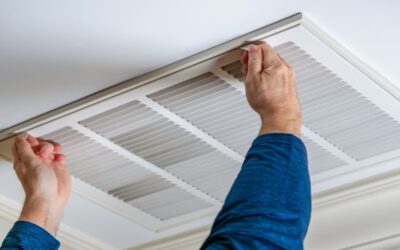
A 16x25x5 furnace filter is a deep, high-capacity media filter used in whole-house air cleaner cabinets attached to your furnace or air handler. Its five-inch depth allows far more filtration surface and much longer service life than a standard one-inch filter. This guide explains the actual dimensions, MERV ratings, how often to replace it, what it costs, and how to choose the right filter for your system.
- What Is a 16x25x5 Filter?
- Actual vs. Nominal Dimensions
- Understanding MERV Ratings
- Why Choose a 5-Inch Deep Filter?
- How Often to Replace It
- Signs It Needs Replacing
- What It Costs
- Choosing the Right MERV for Your Home
- How to Replace It
- Common Mistakes to Avoid
- Popular Brands and Compatibility
- How the Deep Filter Protects Your HVAC
- MERV vs. MPR and FPR Ratings
- Installing a Filter Cabinet
- Allergy and Asthma Considerations
- Frequently Asked Questions
- Final Thoughts
What Is a 16x25x5 Filter?
The 16x25x5 designation refers to a filter that is nominally 16 inches wide, 25 inches tall, and 5 inches deep. Unlike the thin filters that slot into a return grille, this thick media filter sits inside a dedicated filter cabinet mounted at the furnace. The extra depth holds a large accordion-folded pleat pack that captures more particles while creating less airflow restriction over time.
Actual vs. Nominal Dimensions
Filter sizes are nominal, meaning the actual dimensions are slightly smaller so the filter slides into the cabinet. A 16x25x5 filter commonly measures around 15.75 by 24.75 by 4.375 inches, though exact figures vary by brand such as Honeywell, Aprilaire, or Carrier. Always match the model number to your filter cabinet, since a filter that is even a fraction too large or small will not seal properly and will let air bypass.
Understanding MERV Ratings
MERV (Minimum Efficiency Reporting Value) measures how well a filter captures particles, on a scale from 1 to 20. Residential 16x25x5 filters typically range from MERV 8 to MERV 16. Higher MERV traps smaller particles but restricts airflow more, so balance is key.
- MERV 8: captures dust, pollen, and lint for basic protection
- MERV 11: adds finer dust, mold spores, and pet dander
- MERV 13: captures smoke, bacteria, and fine particulates
- MERV 16: hospital-grade, only for systems rated to handle it
Why Choose a 5-Inch Deep Filter?
The deep pleat design offers major advantages over one-inch filters. The larger surface area, sometimes ten times more, captures far more contaminants before clogging, meaning better air quality and lower airflow restriction. Because it holds so much, it lasts months instead of weeks. The reduced restriction also protects your blower motor and improves system efficiency compared with a thin filter of the same MERV.
How Often to Replace It
One of the biggest perks of a 16x25x5 filter is its long life. Most manufacturers recommend replacement every 6 to 12 months, compared with every 1 to 3 months for a one-inch filter. The exact interval depends on your MERV rating, pets, allergies, dust levels, and how often the system runs. A good habit is to check it every three months and replace it when the pleats look loaded with debris.
Signs It Needs Replacing
Even before the calendar says so, certain signs indicate a clogged filter. Reduced airflow from vents, a system that runs longer to reach temperature, more dust on surfaces, and higher energy bills all point to a dirty filter. If you can no longer see light through the pleats or the media looks gray and packed, it is past time to swap it out.
What It Costs
A single 16x25x5 filter typically costs $20 to $50 depending on brand and MERV rating, with higher-MERV and name-brand filters at the top of that range. Multi-packs lower the per-filter price. While more expensive than a thin filter, the cost per month of service is comparable or lower because it lasts three to six times longer, and it protects a furnace worth thousands.
Choosing the Right MERV for Your Home
For most homes, MERV 11 to 13 hits the sweet spot, capturing dander, mold, and fine particles without overtaxing the blower. Homes with allergy sufferers benefit from MERV 13, while MERV 16 should only be used if your HVAC system is specifically rated for it, since the high restriction can strain a standard blower and reduce airflow. When in doubt, check your equipment’s maximum MERV recommendation.
How to Replace It
Replacement is simple. Turn off the furnace, open the filter cabinet door, and slide out the old filter, noting the airflow arrow direction printed on the frame. Slide the new filter in with the arrow pointing toward the furnace or blower, matching the direction of airflow. Close and latch the cabinet door securely so no air bypasses the filter, then restore power.
Common Mistakes to Avoid
Do not buy the wrong size; confirm your cabinet takes a 16x25x5 and matches the model. Do not install it backward, which reduces efficiency, so follow the airflow arrow. Do not choose an ultra-high MERV your system cannot handle, which starves airflow. Do not forget to replace it, since a clogged deep filter still restricts airflow and can overheat the furnace or freeze the coil.
Popular Brands and Compatibility
Several major manufacturers make 16x25x5 media filters, and matching the brand to your cabinet ensures a proper fit. Honeywell and Aprilaire are among the most common cabinet makers, and each uses filters with specific model numbers and slightly different actual dimensions. Trion Air Bear, Carrier, Bryant, and Lennox also make compatible media filters. When ordering, note both the nominal size and your cabinet’s brand and model, since a filter that fits a Honeywell housing may not seat correctly in an Aprilaire cabinet even at the same nominal 16x25x5 size.
How the Deep Filter Protects Your HVAC
Beyond cleaning your air, a 16x25x5 filter safeguards the equipment itself. The evaporator coil, blower motor, and heat exchanger all suffer when dust bypasses a poor filter, leading to reduced efficiency and premature failures. Because the deep media captures more contaminants while restricting airflow less than a clogged thin filter, it keeps the coil clean and the blower breathing freely. A clean coil transfers heat efficiently and resists the freezing that occurs when airflow drops, making the filter an inexpensive form of insurance for a costly system.
MERV vs. MPR and FPR Ratings
Shopping for filters can be confusing because different retailers use different rating scales. MERV is the industry-standard scale from 1 to 20. Some brands use MPR (Microparticle Performance Rating), which runs into the thousands, while big-box stores use FPR (Filter Performance Rating) on a 1 to 10 scale. Roughly, MERV 11 corresponds to MPR 1000 to 1200 and FPR 7, while MERV 13 aligns with MPR 1500 to 1900 and FPR 10. Understanding these equivalents helps you compare filters accurately across brands and stores.
Installing a Filter Cabinet
If your system does not already have a 16x25x5 filter cabinet, an HVAC technician can install one in the return air ductwork near the furnace or air handler. The cabinet, or media air cleaner housing, provides the slot that holds the deep filter and seals it so all return air passes through the media. Adding a cabinet typically costs a few hundred dollars including labor, but it upgrades a system from thin, frequently changed filters to a deep media filter that cleans better and needs replacing only once or twice a year.
Allergy and Asthma Considerations
For households with allergy or asthma sufferers, the MERV rating of a 16x25x5 filter makes a real difference in daily comfort. A MERV 13 filter captures fine particles including pollen, pet dander, mold spores, and smoke that lower-rated filters miss, meaningfully reducing airborne triggers. The deep media design achieves this higher filtration without the airflow penalty of a clogged thin filter, so you get cleaner air without straining the blower. Pairing a high-MERV media filter with regular replacement is one of the most effective ways to improve indoor air for sensitive family members.
Frequently Asked Questions
How long does a 16x25x5 filter last? Typically 6 to 12 months. Is a 5-inch filter better than a 1-inch? Yes, it lasts longer and restricts airflow less at the same MERV. Can I use MERV 16? Only if your system is rated for it. Does a higher MERV hurt my furnace? It can if it exceeds your blower’s capacity, so match it to the equipment.
Final Thoughts
A 16x25x5 furnace filter delivers superior air cleaning and long service life thanks to its deep pleated media, protecting both your indoor air quality and your HVAC equipment. Match the exact size to your cabinet, pick a MERV rating your system supports, and replace it every 6 to 12 months. Do that, and this deep media filter will keep your home’s air clean and your furnace running efficiently.