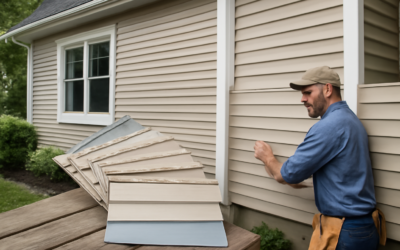
Vinyl siding has dominated the American exterior market for forty years because it is cheap and easy to install — not because it is the best material on the market. The cracking, fading, and warping issues that show up around year 12 to 15 are sending more homeowners than ever looking for upgrades. Real alternatives to vinyl siding exist at almost every price point, and most of them deliver better insulation, better curb appeal, and significantly longer life. After re-siding houses in cedar, fiber cement, engineered wood, and stucco over the past two decades, I have a clear ranking of which alternatives are worth the premium and which are mostly marketing.
- Why Look Beyond Vinyl
- Option 1: Fiber Cement (James Hardie)
- Option 2: Engineered Wood (LP SmartSide)
- Option 3: Cedar Lap Siding
- Option 4: Brick and Brick Veneer
- Option 5: Stucco
- Option 6: Standing Seam Metal Siding
- Option 7: Composite and PVC Trim Boards
- How to Choose
- Installation Considerations
- Resale and Appraisal Impact
Why Look Beyond Vinyl
Vinyl siding’s drawbacks become obvious after the first decade:
- Fades and chalks under UV exposure, especially dark colors
- Cracks at temperatures below 20 °F if struck
- Melts from grill heat, sunlight reflected off low-E windows, or fire
- Traps moisture behind the panels in poorly installed jobs
- Looks plastic — appraisers and buyers register it as a builder-grade finish
Modern alternatives address these issues while still keeping reasonable cost structures.
Option 1: Fiber Cement (James Hardie)
Fiber cement is the leading vinyl replacement in the US market. James Hardie, Allura, and Nichiha are the main manufacturers. Material is a mix of cement, sand, and cellulose fibers pressed into siding planks, panels, or shingles.
- Cost installed: $7 to $13 per square foot
- Lifespan: 40 to 50 years
- Maintenance: paint every 12 to 15 years
- Fire-resistant and pest-resistant
James Hardie offers ColorPlus pre-finished colors with a 15-year color warranty, which essentially eliminates painting for the first 15 years. The premium over vinyl is real (roughly double the cost), but appraisers consistently value fiber cement higher.
Option 2: Engineered Wood (LP SmartSide)
LP SmartSide is a treated wood-fiber composite that looks like real cedar at a much lower price than fiber cement. It comes in lap siding, panels, and trim boards.
- Cost installed: $5 to $9 per square foot
- Lifespan: 30 to 40 years
- Maintenance: caulk and paint every 10 to 12 years
- Easier to cut and nail than fiber cement
SmartSide takes paint extraordinarily well and the textured surface mimics real cedar more convincingly than fiber cement. The main weakness is butt joints — they need careful flashing and caulking or moisture infiltrates over time.
Option 3: Cedar Lap Siding
Real cedar is still the standard against which other sidings are measured. Western red cedar resists rot naturally, takes stain beautifully, and ages to a silver gray if left untreated.
- Cost installed: $8 to $14 per square foot
- Lifespan: 30 to 50 years with maintenance
- Maintenance: stain or paint every 5 to 7 years
Cedar requires real attention. Skip a coat of stain and you start seeing rot within a decade. For homeowners willing to maintain it, no synthetic material matches the look. For everyone else, fiber cement or engineered wood is a better long-term match.
Option 4: Brick and Brick Veneer
Brick is essentially permanent siding. A properly installed brick veneer lasts 100+ years with virtually no maintenance.
- Cost installed: $12 to $20 per square foot
- Lifespan: 100+ years
- Maintenance: tuckpointing every 25 to 50 years
The upfront cost is high and you cannot easily change the look once installed. Best for forever homes in regions with strong brick architectural tradition. Limited DIY potential — almost always installed by a mason.
Option 5: Stucco
Traditional three-coat stucco is the dominant siding in much of the southwest. It is a sand, cement, and lime mix troweled onto a metal lath over the wall sheathing.
- Cost installed: $7 to $12 per square foot
- Lifespan: 50 to 80 years
- Maintenance: repaint every 10 to 20 years
Stucco performs poorly in wet, cold climates where freeze-thaw cycles crack the surface. In hot, dry regions it is unmatched. Synthetic stucco (EIFS) is much cheaper but has a checkered history with moisture intrusion — research carefully before specifying.
Option 6: Standing Seam Metal Siding
Metal siding has moved beyond agricultural buildings into mainstream residential design. Painted steel and aluminum panels in standing seam or board-and-batten profiles look modern and last decades.
- Cost installed: $9 to $16 per square foot
- Lifespan: 40 to 60 years
- Maintenance: minimal — occasional cleaning
Metal performs well in wildfire-prone regions because it is non-combustible. The look is decidedly modern, which works on contemporary homes but can look out of place on traditional houses.
Option 7: Composite and PVC Trim Boards
Not strictly siding, but worth mentioning — composite trim from Azek, Versatex, and similar brands replaces wood trim with rot-proof PVC. Pair it with any of the siding materials above and you eliminate the biggest maintenance issue: rotted trim around windows, doors, and corners.
Cost is roughly double pine trim, but the installation labor is the same. Over a 20-year window, PVC trim pays for itself in avoided replacement.
How to Choose
Match the material to your situation:
- Best overall value: Engineered wood (LP SmartSide)
- Best long-term: Fiber cement (James Hardie)
- Best curb appeal premium: Real cedar with proper maintenance
- Best for fire zones: Fiber cement, stucco, or metal
- Best for cold climates: Fiber cement or engineered wood
- Best for warm dry climates: Stucco
- Best forever option: Brick veneer
Installation Considerations
The siding material is only half the equation. Behind the siding, modern code-compliant installation includes:
- Weather-resistant barrier (Tyvek or similar)
- Vertical furring strips creating a rainscreen drainage gap
- Properly flashed window and door openings
- Insulation board over the sheathing where energy codes require
Cheap install ruins expensive materials. A James Hardie installation done by an unqualified contractor performs worse than a budget vinyl install done correctly.
Resale and Appraisal Impact
For typical American homes, real-world resale data shows:
- Vinyl siding: roughly 75 percent cost recouped at sale
- Fiber cement: roughly 88 percent cost recouped
- Manufactured stone veneer accents: 95 percent or higher
Investing in better alternatives to vinyl siding is one of the few exterior upgrades that pays back close to its full cost when you sell.