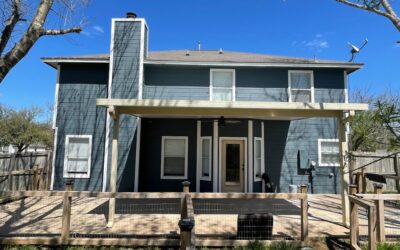
When homeowners want the look of wood clapboard without the rot, warping, and constant repainting, they turn to hardie plank lap siding. Manufactured by James Hardie, HardiePlank is a fiber cement product made from cement, sand, and cellulose fibers, formed into long horizontal boards that overlap, or lap, as they climb the wall. The result is a tough, weather-resistant exterior that mimics traditional wood siding while standing up to far more abuse.
What Fiber Cement Siding Actually Is
Fiber cement is an engineered material, and that engineering is the whole point. Blending Portland cement with sand and cellulose fibers produces boards that are dense, dimensionally stable, and resistant to the failures that plague organic siding. It will not feed termites, it does not rot when it gets wet, and it does not warp in heat the way some materials do.
Lap siding refers to the installation style. Each plank overlaps the one below it, shedding water down and away from the wall. That overlapping profile is the familiar clapboard look that suits everything from craftsman bungalows to modern farmhouses.
Why Homeowners Choose HardiePlank
The benefits stack up quickly, especially for owners who plan to stay in a home for years.
- Durability: Resists rot, insects, and moisture damage far better than wood.
- Fire resistance: Fiber cement is non-combustible, a meaningful advantage in fire-prone regions.
- Weather toughness: Holds up to wind, hail, and freeze-thaw cycles.
- Curb appeal: Replicates the texture and shadow lines of real wood.
- Low maintenance: No frequent repainting when factory finishes are used.
Finishes: Factory Color vs. Primed
You generally have two paths. Factory-applied color finishes come baked on at the plant for a consistent, long-lasting coat that resists fading and dramatically reduces repainting. Primed boards arrive ready for you or your painter to apply a finish coat in any color you like, giving you full control at the cost of a paint job up front.
For most homeowners, a factory color finish is the lower-maintenance choice. If you want a custom or unusual color, primed boards give you that flexibility. Either way, follow the manufacturer’s guidance on touch-ups and approved paints to keep any warranty intact.
What Hardie Plank Lap Siding Costs
Pricing varies widely by region, home size, finish, and labor, so treat all numbers as estimates. As a general range, installed fiber cement lap siding often falls somewhere around $6 to $13 per square foot, with material alone making up a portion of that and skilled labor the rest. Factory-finished color products and complex installations push toward the higher end.
To budget realistically:
- Get multiple quotes from contractors experienced with fiber cement specifically.
- Ask whether the quote includes trim, flashing, and disposal of old siding.
- Factor in the long horizon; the higher upfront cost offsets reduced maintenance over decades.
Installation Considerations
Fiber cement is heavy and rigid, and cutting it generates silica dust, which is why installation is best handled by trained professionals using proper tools and respiratory protection. This is not a typical weekend DIY project. A correct install also depends on details that protect the home:
- Proper flashing around windows, doors, and penetrations to manage water.
- Correct nailing patterns and clearances per the manufacturer’s instructions.
- Appropriate gap and caulking at joints and trim.
- A suitable weather-resistant barrier behind the siding.
Improper installation can void warranties and invite moisture problems, so verify your contractor follows James Hardie’s published guidelines.
Maintenance and Longevity
One of the strongest selling points is how little upkeep fiber cement needs. An annual rinse with a garden hose to clear dirt and pollen is usually enough. Inspect caulking and paint periodically, touch up as needed, and re-caulk joints when they show wear. Avoid pressure washing at high settings, which can damage the finish.
Well-installed and maintained, HardiePlank can last for many decades, and James Hardie backs its products with substantial warranties that vary by product and finish. Confirm the exact terms for the specific boards you buy rather than assuming a single figure.
How It Compares to Vinyl and Wood Siding
Choosing siding usually comes down to a three-way comparison, and each material has a clear identity. Vinyl siding is the budget leader, lightweight and maintenance-light, but it can crack in cold, warp near heat sources, and reads as less substantial up close. Wood siding offers unmatched natural warmth and authenticity, yet it demands ongoing painting or staining and remains vulnerable to rot, insects, and moisture.
Fiber cement sits in the middle on cost and at the top on durability. It mimics wood’s texture and shadow lines far more convincingly than vinyl, resists fire and pests, and holds a factory finish for many years. The trade-offs are real: it is heavier, harder to install, and costs more upfront than vinyl. Weigh these factors against your plans:
- Staying long-term: the durability and low upkeep of fiber cement pay off over time.
- Tight budget or short-term hold: vinyl may make more financial sense.
- Historic or premium aesthetic: wood or fiber cement deliver the most authentic look.
- Fire-prone region: the non-combustible nature of fiber cement is a strong advantage.
For many homeowners planning to stay put, HardiePlank lands as the practical sweet spot, delivering most of wood’s beauty with far less maintenance and better resilience than vinyl.
Is It Right for Your Home?
For homeowners who want the warmth of wood siding without the maintenance treadmill, Hardie Plank lap siding is a compelling choice. It delivers durability, fire resistance, and lasting curb appeal, and it pays back its higher upfront cost through years of low upkeep. Hire an experienced installer, choose between factory color and primed finishes based on your goals, and you will get an exterior that protects and beautifies the home for a generation. When you collect bids, confirm each contractor has specific fiber cement experience, ask to see recent installations, and verify the quote covers flashing, trim, caulking, and old-siding removal. Confirm the exact warranty terms for the product and finish you select rather than assuming a single number. The upfront diligence pays off in an install that performs as promised for decades.