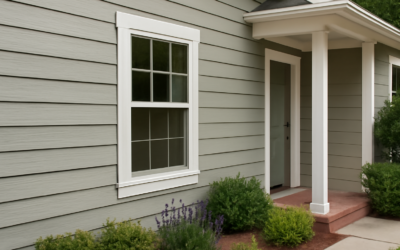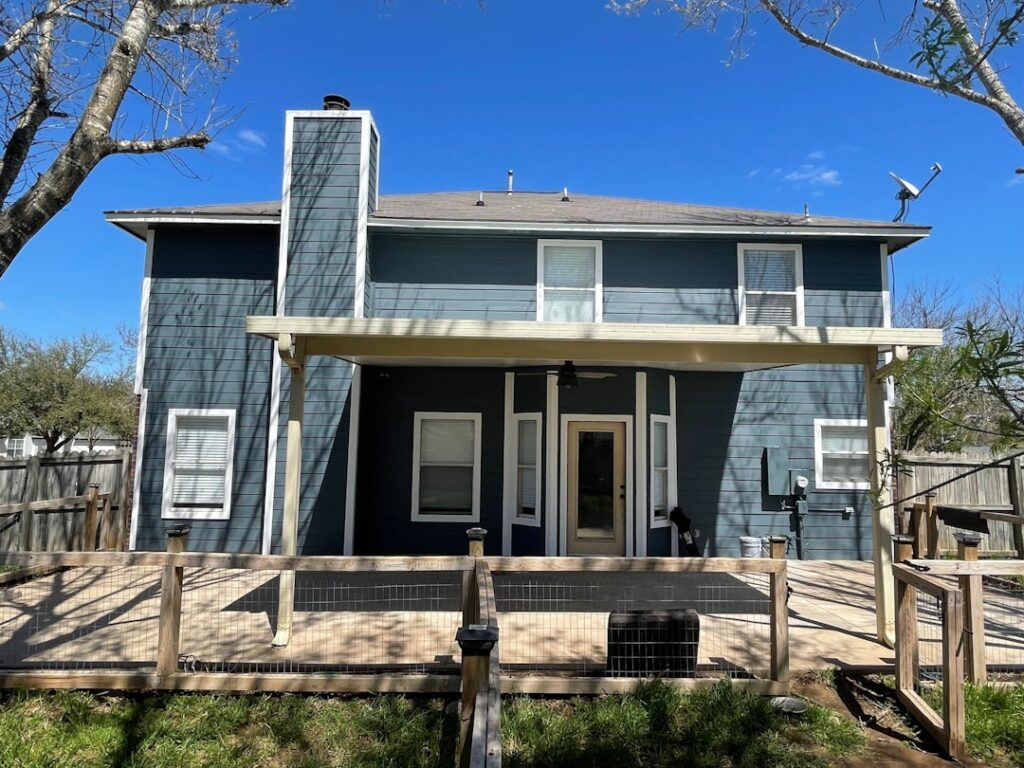
When homeowners research durable, low-maintenance exteriors, james hardie plank siding comes up again and again, and for good reason. Manufactured by the James Hardie company, HardiePlank is a fiber cement lap siding engineered to deliver the classic look of painted wood with far greater resistance to fire, moisture, rot, and pests. It has become one of the most widely installed siding products in North America.
This guide explains what fiber cement siding is made of, the advantages that drive its popularity, the finish options, realistic cost expectations, and the maintenance that keeps it looking sharp for decades.
What Fiber Cement Siding Is
Fiber cement is a composite made primarily from cement, sand, and cellulose fibers. James Hardie pioneered and refined this category, blending these materials into rigid boards that mimic the appearance of natural wood lap siding while behaving very differently in the real world. The result is a heavy, dense, dimensionally stable plank that does not warp, crack, or rot the way wood can.
HardiePlank specifically refers to the lap siding format, the horizontal overlapping boards that give a traditional clapboard look. The company also offers complementary products like shingle-style panels and trim, allowing a coordinated exterior, but the plank lap siding is the flagship.
Key Benefits
The appeal of this siding lies in a combination of durability and curb appeal that few materials match. Compared with wood and vinyl, fiber cement brings several meaningful advantages.
- Fire resistance: Fiber cement is noncombustible, an important consideration in wildfire-prone regions and for insurance purposes.
- Weather durability: It stands up to wind, rain, hail, and temperature swings without warping or cracking.
- Pest and rot resistance: Insects like termites cannot eat it, and it does not rot the way wood does when exposed to moisture.
- Authentic appearance: It convincingly replicates the texture of painted wood, including wood-grain and smooth profiles.
- Longevity: Properly installed and maintained, it can last for decades, often backed by a long manufacturer warranty.
ColorPlus and Finish Options
One of the biggest decisions is whether to choose factory-finished or field-painted siding. James Hardie offers its ColorPlus Technology, a baked-on, multi-coat factory finish applied in controlled conditions. This finish resists fading and chipping better than typical field-applied paint and comes with its own finish warranty.
Alternatively, you can buy primed boards and paint them on site in any color you like, which offers maximum flexibility but requires repainting sooner. Texture choices typically include a cedar-mill wood-grain look and a smooth finish, letting you tailor the appearance to your home’s architecture. Whichever route you choose, follow the manufacturer’s painting and finishing guidance to protect performance and warranty coverage.
Cost Expectations
Fiber cement sits in the mid-to-upper range of siding options, more expensive than vinyl but generally less than natural wood or masonry over the long run. As a general estimate, installed costs commonly fall somewhere in the range of roughly 6 to 14 dollars per square foot, depending on your region, home size, finish choice, and labor rates.
Several factors move the price: ColorPlus factory finishes cost more than primed boards, complex home shapes increase labor, and removing old siding adds to the total. Because the product is heavy and installation is exacting, professional installation by experienced crews is strongly recommended. Treat any figures as estimates and gather multiple local quotes for accurate pricing.
Installation Considerations
Fiber cement is demanding to install correctly, which is why it is not a typical do-it-yourself project. The boards are heavy and require specialized cutting tools and dust control, since cutting fiber cement releases silica dust that calls for proper masks and ventilation. Correct fastening, spacing, flashing, and gapping are essential to performance and to keeping the warranty valid.
Proper moisture management behind the siding, including a weather-resistive barrier and correct clearances from the ground and roofing, protects the structure underneath. Hiring an installer experienced specifically with James Hardie products helps ensure the job meets manufacturer specifications, which directly affects how long the siding lasts.
Maintenance and Care
A major selling point is how little upkeep this siding needs compared with wood, though it is not maintenance-free. A simple routine keeps it performing and looking its best.
- Rinse the siding periodically with a garden hose and soft brush to remove dirt, pollen, and mildew.
- Inspect caulking and joints annually and reseal as needed to keep moisture out.
- Touch up or repaint field-painted siding when the finish shows wear; ColorPlus finishes last longer before recoating.
- Keep landscaping and sprinklers from constantly wetting the siding, and maintain proper ground clearance.
Avoid pressure washing at high settings, which can damage the finish; a gentle wash is safer and just as effective. It is also worth inspecting the siding after major storms for any cracked or damaged boards, since prompt repairs keep moisture from reaching the structure behind. Keeping gutters clear and downspouts directed away from the walls further protects the siding and the home over time.
How It Compares to Other Siding
Putting fiber cement next to the alternatives clarifies where it fits. Vinyl siding is the budget leader, lightweight and maintenance-light, but it can crack in cold, fade over time, and melt near heat sources, and many homeowners feel it looks less substantial. Natural wood offers unmatched authenticity and can be refinished, yet it demands regular painting or staining and is vulnerable to rot, insects, and fire.
Engineered wood siding splits the difference on price and weight but still relies on its coating to resist moisture. Against this field, James Hardie fiber cement stands out for combining a convincing wood-like appearance with noncombustibility, pest and rot resistance, and long-term durability. The trade-offs are its higher cost, considerable weight, and the need for skilled installation. For homeowners prioritizing longevity, fire safety, and curb appeal over the lowest upfront price, it consistently ranks among the strongest choices available.
Final Thoughts
James Hardie plank siding earns its strong reputation by combining the timeless look of painted wood with the toughness of fiber cement, resisting fire, weather, rot, and pests while needing relatively little upkeep. The trade-offs are a higher upfront cost and the need for skilled, specification-compliant installation. For homeowners prioritizing long-term durability and curb appeal, it remains one of the most dependable exterior choices available.