Ask any contractor to name the gold standard in fiber cement siding and one brand comes up first. Hardie board siding, made by James Hardie, has become so dominant that homeowners often use the name to describe fiber cement generally. It delivers the look of painted wood clapboard with the toughness of cement — resisting fire, rot, insects, and harsh weather for decades. It costs more than vinyl and asks for careful installation, but its longevity and curb appeal explain why it tops so many exterior remodel wish lists.
- What Hardie Board Is Made Of
- The Key Benefits
- The Drawbacks to Consider
- Styles and Product Options
- What Hardie Board Siding Costs
- Installation Considerations
- Maintenance Over the Years
- The HardieZone Climate System
- Installation Requirements and Warranty Compliance
- Repairing and Repainting Over Time
- Is Hardie Board Right for You?
What Hardie Board Is Made Of
Hardie board is fiber cement — a blend of Portland cement, sand, water, and cellulose fibers pressed into rigid, durable planks and panels. The cellulose fibers add just enough flexibility to resist cracking, while the cement gives the boards their density, weight, and fire resistance. The surface is molded with realistic wood-grain textures so, from the street, it convincingly mimics cedar clapboard.
James Hardie engineers its products for specific climate zones through its HardieZone system, tuning the formulation for wet, freezing, or hot regions. That regional tailoring is part of why the brand performs so reliably across the country.
The Key Benefits
Hardie board’s popularity rests on a strong roster of advantages:
- Fireproof: Noncombustible and often qualifies for insurance discounts in fire-prone areas.
- Rot and pest resistant: Termites cannot eat it and it will not rot in damp climates.
- Weatherproof: Withstands high winds, hail, and intense sun without warping or fading.
- Long warranty: Backed by a 30-year limited warranty on the material.
- Color longevity: Factory ColorPlus finishes carry a 15-year finish warranty and resist fading.
- Strong resale value: Consistently ranks among the best exterior projects for return on investment.
That blend of safety, durability, and appearance is hard to match with any single competing material.
The Drawbacks to Consider
Hardie board is excellent but not effortless. It is heavy — roughly two and a half times the weight of vinyl — which makes installation labor-intensive and usually a two-person job. Cutting it releases crystalline silica dust that must be controlled with special blades and dust collection to protect installers’ lungs.
The upfront cost sits well above vinyl siding. And while the material itself resists moisture, it depends on correct installation — proper flashing, gapping, and caulking — to keep water out of board edges. Cut corners on those details and moisture can eventually cause swelling at the seams.
Styles and Product Options
James Hardie offers more than plain planks, letting you match nearly any architectural style:
- HardiePlank lap siding: The classic horizontal clapboard look, the most common choice.
- HardieShingle: Cedar-shake appearance for accents, gables, or whole facades.
- HardiePanel vertical siding: Large panels for a board-and-batten or modern look.
- HardieTrim boards: Matching trim for corners, windows, and doors.
- Smooth or wood-grain textures: Choose a clean modern face or a rustic grain.
You can also choose between primed boards you paint on site or ColorPlus factory-finished boards that arrive ready to install with a baked-on color. Factory finish costs more but saves painting labor and lasts longer.
What Hardie Board Siding Costs
Labor typically outweighs material in the total, so budget for both:
- Material only: Roughly $1 to $5 per square foot depending on style and finish.
- Installed cost: Typically $6 to $13 per square foot with labor.
- Average home total: A 2,000-square-foot exterior often runs $14,000 to $25,000 installed.
ColorPlus siding costs more per board than primed, but skipping field painting can offset part of the difference. Complex facades with lots of trim, multiple stories, or shingle accents push the price toward the higher end.
Installation Considerations
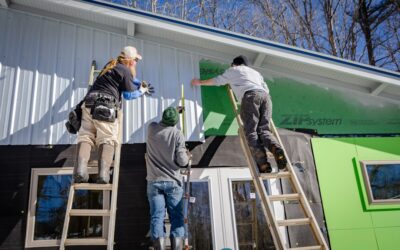
Hardie board is generally not a DIY project because of its weight, the silica dust, and the manufacturer’s strict installation requirements — which the warranty depends on. Boards are nailed or screwed to studs over a weather-resistant barrier, with correct overlap, gapping at butt joints, and flashing around every opening.
Because installation errors can void the warranty and lead to moisture problems, most homeowners hire contractors specifically experienced with fiber cement rather than general siding crews. Ask to see prior Hardie installations and confirm they follow James Hardie’s published nailing and gapping specs.
Maintenance Over the Years
This is where Hardie board rewards the investment. Upkeep is minimal: rinse the siding with a garden hose once or twice a year to clear dirt and mildew, and inspect the caulk lines around windows, doors, and joints annually, resealing any that have cracked. Those seams are the material’s main vulnerability, so keeping them sound is the key task.
Because fiber cement barely expands and contracts, paint holds far longer than on wood — factory ColorPlus finishes can go 15 years before needing attention. When repainting is eventually needed, the stable surface takes paint cleanly with no rot to repair first.
The HardieZone Climate System
One reason Hardie board performs so consistently nationwide is the manufacturer’s HardieZone system, which tailors the product formulation to regional climate demands. Homes in the wet, freeze-thaw North get boards engineered — under the HZ5 designation — to resist moisture absorption and the stress of repeated freezing, with features like drip edges and improved moisture management built in. Homes in the hot, humid, or storm-prone South receive HZ10 boards optimized to resist heat, UV degradation, and wind-driven rain.
When ordering, your supplier will specify the correct zone for your location, and it matters — installing the wrong regional product can undercut the durability you’re paying for. This engineering is a big part of why Hardie board earns its reputation over generic fiber cement: the company has done the climate homework so the boards on your walls are matched to what the weather actually throws at them.
Installation Requirements and Warranty Compliance
Hardie board’s warranty is one of its selling points, but it hinges on installation done to the manufacturer’s exacting specifications. That means correct nailing patterns and fastener types, proper gapping at butt joints and around openings, minimum clearances from the roof and the ground, and appropriate flashing at every penetration. Deviate from these published requirements and you risk both moisture problems and a voided warranty.
This is precisely why hiring a crew experienced specifically with fiber cement pays off — general siding installers accustomed to vinyl may not follow Hardie’s stricter details. Ask prospective contractors whether they are familiar with James Hardie’s installation manual and, ideally, whether they carry any manufacturer certification. Keep all your documentation after installation, both for warranty claims and because the transferable warranty becomes a selling point if you list the home later.
Repairing and Repainting Over Time
Even a 30-to-50-year product occasionally needs attention, and knowing how to handle it protects your investment. Minor damage — a cracked board from an impact, say — is repaired by cutting out and replacing the individual plank, since the courses interlock in a way that allows single-board swaps by a skilled installer. Small chips and nail-hole touch-ups can be filled with a cementitious patching compound and painted to match.
Repainting is rarely urgent thanks to the material’s dimensional stability, which keeps paint from cracking and peeling the way it does on wood. Primed boards typically need repainting every 7 to 15 years, while factory ColorPlus finishes can go 15 years or more before showing wear. When the time comes, the stable, rot-free surface takes new paint cleanly — no scraping away rotted wood first — making repaints faster and cheaper than on traditional wood siding.
Is Hardie Board Right for You?
Hardie board siding suits homeowners who want a durable, fire- and pest-resistant exterior that looks like painted wood and will last for decades with little upkeep. It is especially compelling in wildfire zones, humid climates, and pest-heavy regions where its resistance pays real dividends, and its resale appeal is strong. The higher upfront cost and demanding installation are the main trade-offs — if your budget is tight or you want a true DIY material, vinyl may fit better. But for a long-term home where looks and toughness both matter, Hardie board remains one of the most respected sidings on the market.