
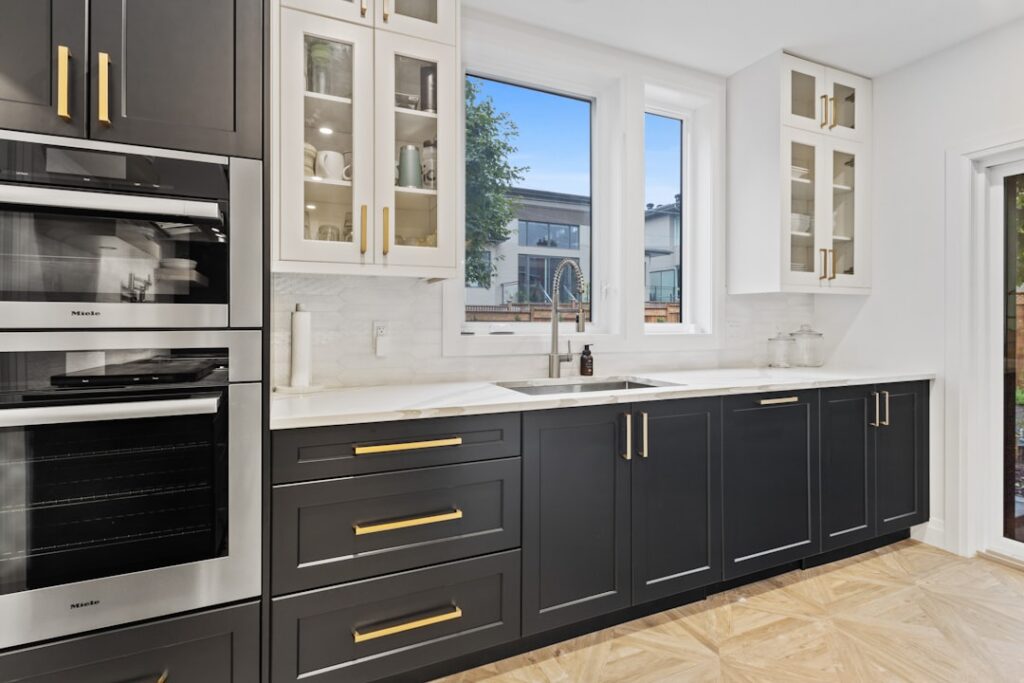
Aluminum kitchen cabinet design is gaining traction among homeowners who want a sleek, modern, and remarkably durable alternative to traditional wood cabinetry. Once found mainly in commercial kitchens and outdoor settings, aluminum has moved into stylish residential kitchens thanks to its clean lines, moisture immunity, and contemporary appeal. If you are drawn to a minimalist, industrial, or high-tech look and want cabinets that shrug off humidity, heat, and pests, aluminum deserves a serious look.
Part of our Kitchen Remodeling guide — explore the full guide →
- Why Choose Aluminum Cabinets
- Popular Aluminum Cabinet Design Styles
- Finishes and Color Options
- Pros and Cons of Aluminum Cabinets
- What Aluminum Kitchen Cabinets Cost
- Durability and Real-World Performance
- Caring for Aluminum Cabinets
- Common Mistakes to Avoid
- Aluminum vs. Wood and Laminate Cabinets
- Combining Aluminum With Other Materials
Why Choose Aluminum Cabinets
Aluminum offers a distinct set of advantages that wood and MDF cannot match. It is completely waterproof, so it will never swell, warp, or rot from steam, spills, or humidity, making it ideal for damp climates and hardworking kitchens. It is fireproof and heat-resistant, an asset near cooktops. It resists pests, since termites and rodents have no interest in metal. It is lightweight yet strong, and it is fully recyclable, appealing to eco-conscious homeowners. Aesthetically, aluminum delivers a crisp, modern edge that suits contemporary, industrial, and minimalist kitchens beautifully.
Popular Aluminum Cabinet Design Styles
Aluminum is versatile enough to anchor several distinct looks.
- Full-aluminum frameless: sleek handleless doors with push-to-open or integrated finger pulls for a seamless, ultra-modern face.
- Aluminum frame with glass inserts: slim metal frames surrounding frosted or clear glass panels, popular for upper cabinets and display.
- Aluminum and wood combination: pairing metal frames or accents with wood-grain laminate panels to warm up the industrial feel.
- Profile-handle systems: continuous aluminum channel handles integrated into the door edges, a hallmark of European-style kitchens.
Mixing aluminum uppers with a warmer material below, or using it as an accent on an island, softens the industrial vibe while keeping the modern edge.
Finishes and Color Options
Aluminum is far from limited to raw silver metal. Modern finishing techniques offer a wide palette. Anodized finishes create durable, corrosion-resistant surfaces in silver, bronze, champagne, gold, or black tones. Powder coating provides matte or satin colors across nearly the entire spectrum, from crisp white to deep charcoal. Brushed and hairline finishes add subtle texture and hide fingerprints better than polished metal. Wood-grain sublimation prints can even make aluminum panels resemble timber while keeping the metal’s durability. The most popular residential choices are matte black, brushed silver, and soft neutrals that read modern without feeling cold.
Pros and Cons of Aluminum Cabinets
A balanced view helps set expectations before you commit.
- Pros: completely waterproof and rustproof, fireproof, pest-proof, durable for decades, lightweight, low-maintenance, recyclable, and distinctly modern.
- Cons: higher upfront cost than laminate or basic wood, can dent from hard impacts, shows fingerprints and smudges on glossy finishes, may feel cold or clinical if overused, and can be noisier than wood when doors close unless fitted with soft-close dampers.
Most drawbacks are manageable: choosing brushed or matte finishes hides smudges, soft-close hardware quiets the doors, and mixing in wood tones warms the space.
What Aluminum Kitchen Cabinets Cost
Aluminum cabinets typically sit in the mid-to-upper price range. Expect roughly $200 to $600 per linear foot for quality aluminum cabinetry, compared with $100 to $300 for stock wood or laminate and $500 to $1,200 for high-end custom wood. A full mid-size kitchen in aluminum often lands between $12,000 and $30,000 installed, depending on finish, hardware, and configuration. While pricier than budget options upfront, aluminum’s decades-long durability and near-zero maintenance can make it cost-effective over time, especially in humid climates where wood cabinets would degrade and need replacement.
Durability and Real-World Performance
Aluminum’s biggest selling point is how it holds up. In kitchens where steam, spills, and heat destroy wood over the years, aluminum simply endures. It will not delaminate like laminate or swell like particleboard. In coastal and tropical regions with salt air and high humidity, it dramatically outlasts wood. The main vulnerability is denting from a dropped heavy pot or forceful impact, though this is cosmetic rather than structural. Quality anodized or powder-coated finishes resist scratching and color fade for many years. For families who cook heavily or homes in demanding climates, aluminum’s toughness is a genuine long-term advantage.
Caring for Aluminum Cabinets
Maintenance is refreshingly simple, which is part of the appeal. A few habits keep them looking sharp:
- Wipe surfaces with a soft, damp microfiber cloth and mild soap; avoid abrasive pads and scouring powders that can scratch the finish.
- Dry after cleaning to prevent water spots, especially on polished finishes.
- Skip harsh chemicals, strong acids, and ammonia-based cleaners that can dull anodized or coated surfaces.
- Address fingerprints on glossy finishes with a glass-safe cleaner, or choose brushed finishes to minimize them.
- Fit soft-close hinges and dampers to reduce noise and wear.
Because there is no wood to reseal or refinish, upkeep amounts to little more than routine wiping.
Common Mistakes to Avoid
The most common design mistake is going all-aluminum in a large kitchen, which can feel cold and industrial. Balancing metal with wood, stone, or warm lighting creates a more inviting space. Another mistake is choosing a high-gloss finish in a busy family kitchen, where fingerprints show constantly; brushed or matte hides them far better. Skipping soft-close hardware leaves the doors loud and prone to clanging. Homeowners also sometimes underestimate cost and cut corners on finish quality, ending up with thin panels that dent easily. Finally, using abrasive cleaners scratches the finish permanently, so gentle care from day one matters.
Aluminum vs. Wood and Laminate Cabinets
To decide whether aluminum is right for your kitchen, it helps to compare it directly against the more common materials. Solid wood cabinets offer warmth, timeless appeal, and the ability to be refinished, but they are vulnerable to moisture, warping, and pests, and they carry the highest price for custom work. Laminate and thermofoil cabinets are the budget choice, offering many colors at low cost, but the foil can peel and the particleboard core swells if water penetrates a seam. Aluminum sits apart from both, immune to the moisture and pest problems that plague wood and laminate, and offering a distinctly modern face that neither can replicate, though it lacks wood’s natural warmth and can dent where the others would not.
In practical terms, the best material depends on your priorities. If you want traditional character and are willing to maintain it, wood is unmatched. If budget rules and the kitchen is dry, laminate delivers style for less. But if durability, moisture resistance, and a contemporary look top your list, aluminum earns its premium, especially in humid or coastal climates where wood and laminate deteriorate fastest.
Combining Aluminum With Other Materials
Some of the most successful modern kitchens do not choose aluminum exclusively but blend it with warmer elements to balance its industrial edge. A popular approach pairs aluminum-framed glass upper cabinets with wood-grain or solid-wood lower cabinets, keeping the airy, reflective quality up high while grounding the room with warmth below. Aluminum also works beautifully as an accent, framing an island, forming continuous profile handles, or trimming open shelving, while the bulk of the cabinetry remains another material. Against natural stone countertops, warm wood floors, and soft ambient lighting, aluminum reads as sleek and intentional rather than cold and clinical. This mixed-material strategy lets homeowners capture aluminum’s durability and modern appeal in the areas that benefit most, near sinks and cooktops where moisture and heat are constant, while preserving the inviting feel that makes a kitchen the heart of the home.
Aluminum kitchen cabinet design brings a modern, ultra-durable, and low-maintenance option to homeowners tired of wood’s vulnerability to moisture, heat, and pests. Choose a finish that suits your cleaning tolerance, balance the metal with warmer materials for comfort, invest in soft-close hardware, and clean gently, and you will enjoy a striking, contemporary kitchen that shrugs off the hardest use and keeps its good looks for decades.


