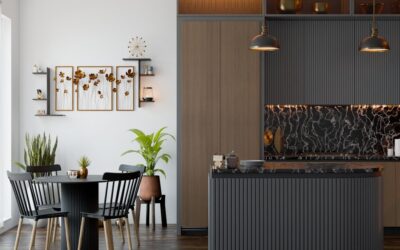
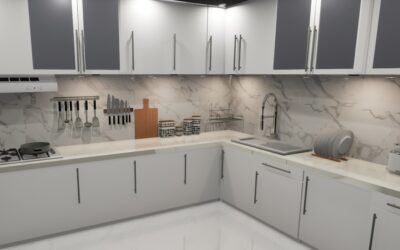
Cabinet doors cover roughly 40 percent of the visible surface in a typical kitchen, which means they, more than the boxes behind them, define the room’s entire personality. Getting your kitchen cabinet door design right is the difference between a kitchen that feels timeless and one that looks dated in five years. From the classic Shaker to the sleek slab, the door style you choose sets the tone, drives the budget, and shapes how easy the kitchen is to clean and live in. This guide breaks down the styles, materials, and details that matter.
Part of our Kitchen Remodeling guide — explore the full guide →
- The Anatomy of a Cabinet Door
- Popular Cabinet Door Styles
- Choosing the Right Material
- Finishes and Color Trends
- Hardware: The Jewelry of the Kitchen
- What Cabinet Doors Cost
- Making the Right Choice for Your Kitchen
- Matching Doors to Your Kitchen Size and Style
- Maintenance and Longevity by Door Type
- Mixing Door Styles for Custom Character
The Anatomy of a Cabinet Door
Understanding a few basic terms helps you shop and communicate with cabinet makers. Most doors fall into two construction families:
- Frame-and-panel doors have an outer frame, made of stiles (vertical) and rails (horizontal), surrounding a center panel that can be flat or raised. Shaker doors are the most familiar example.
- Slab doors are a single flat panel with no frame, giving a clean, seamless face. They dominate modern and minimalist kitchens.
How the door sits on the cabinet also matters. Full-overlay doors cover almost the entire face frame for a contemporary look, partial-overlay leaves some frame visible, and inset doors sit flush within the frame for a crisp, high-end traditional appearance that costs more to build.
Popular Cabinet Door Styles
Choosing a style is where your kitchen’s character comes alive. Here are the most common and enduring options.
Shaker
The Shaker door, a flat recessed panel inside a clean square frame, is the most popular style in America for good reason. It bridges traditional and modern, works in nearly any color, and never looks trendy or dated. If you want a safe, timeless choice, Shaker is it.
Slab (Flat-Panel)
A single smooth panel, slab doors define modern and European kitchens. With no crevices, they are the easiest style to wipe clean, and they show off dramatic wood grain or bold high-gloss colors beautifully. Pair them with handleless push-to-open hardware for the most minimalist look.
Raised Panel
The center panel is raised with a contoured profile, giving a formal, traditional feel suited to classic and colonial kitchens. It has more detail and more surfaces to dust than a Shaker.
Glass-Front
Doors with glass inserts, clear, frosted, or seeded, break up a wall of solid cabinets and showcase dishware. They work well as accents on upper cabinets rather than throughout the kitchen.
Beadboard and Louvered
Beadboard panels bring cottage and farmhouse charm, while louvered doors add a coastal or vintage note and allow airflow, useful for pantry or appliance garages.
Choosing the Right Material
The door material affects durability, cost, and how the finish looks. Common choices include:
- Solid hardwood (maple, oak, cherry, hickory): Beautiful grain and repairable, but expensive and prone to slight movement with humidity.
- MDF: Dense, stable, and smooth; the ideal base for painted doors because it has no grain to telegraph through paint and won’t crack at the joints.
- Plywood with veneer: Stable and lighter than solid wood, offering real wood looks at lower cost.
- Thermofoil: A vinyl film heat-pressed over MDF, giving a seamless, easy-clean surface at a budget price, though it can peel near heat sources over time.
- Laminate and melamine: Durable, affordable, and available in countless colors and textures, including realistic wood looks.
A smart, common combination is MDF for painted doors and plywood or solid wood for stained, wood-grain looks.
Finishes and Color Trends
Finish choice is as impactful as the door style. Painted cabinets remain dominant, with white and off-white leading for their brightness and resale appeal, followed closely by soft greens, deep blues, and warm greiges that add personality without shouting. Natural and light wood tones, especially white oak, have surged as homeowners embrace warmth and grain. Two-tone kitchens, pairing a darker island with lighter perimeter cabinets, add depth and remain a strong look.
For finish sheen, matte and satin hide fingerprints and read as sophisticated, while high-gloss makes a bold modern statement but shows every smudge. Consider how much cleaning you are willing to do before committing to a glossy finish.
Hardware: The Jewelry of the Kitchen
Cabinet hardware is small but transformative, and it should complement the door style. Sleek bar pulls suit slab and modern doors; cup pulls and knobs feel right on Shaker and traditional styles. Popular finishes include matte black, brushed brass, and satin nickel, and mixing metals, say black hardware with brass faucet accents, is now widely accepted when done deliberately. For a fully minimalist look, integrated finger pulls or push-to-open mechanisms eliminate visible hardware entirely. Swapping outdated hardware is one of the cheapest ways to refresh existing cabinets.
What Cabinet Doors Cost
Door style and material drive a large share of cabinet pricing. As a rough guide for replacement doors or new cabinetry, expect these relative costs:
- Slab thermofoil or laminate: the most budget-friendly
- Shaker MDF painted: mid-range and excellent value
- Solid wood raised-panel or inset: the premium tier
If your existing cabinet boxes are sound, refacing, replacing just the doors and drawer fronts and applying matching veneer to the boxes, can deliver a brand-new look for a fraction of full replacement, often $4,000 to $9,000 versus $12,000 or more for all-new cabinets in an average kitchen.
Making the Right Choice for Your Kitchen
Matching Doors to Your Kitchen Size and Style
Door design should respond to the scale and light of your kitchen, not just personal taste. In a small or galley kitchen, slab or Shaker doors in a light color keep the space feeling open and uncluttered, since busy raised-panel profiles and dark tones can make a compact room feel smaller. In a large kitchen with plenty of natural light, you have room to play with darker colors, two-tone schemes, and more detailed profiles without overwhelming the space. Ceiling height matters too: taller cabinets that reach toward a high ceiling look best with clean lines, while glass-front uppers can break up an otherwise imposing wall of doors. Think about how the doors will read as a whole across the room, not just how a single sample looks in your hand at the showroom.
Maintenance and Longevity by Door Type
Different doors demand different care, and knowing this up front prevents regret. Slab doors are the easiest to clean, with no grooves to trap grease, which is why they suit busy cooking households. Shaker doors have a single recessed edge that collects a little dust but wipes clean easily. Raised-panel and detailed profiles have the most crevices and take the longest to keep spotless. On materials, painted MDF resists warping and holds a smooth finish but can chip on sharp edges over years of use, while solid wood can be sanded and refinished if it gets damaged. Thermofoil wipes clean beautifully but should be kept away from high heat, such as directly beside an oven, where the film can eventually peel. Choosing a door you are willing to maintain keeps the kitchen looking sharp long after installation.
Mixing Door Styles for Custom Character
You do not have to use a single door style throughout the kitchen. Many of the most striking kitchens mix styles thoughtfully to add depth. A common approach uses solid Shaker or slab doors on the base and perimeter cabinets while adding glass-front uppers to display dishware and break up the visual weight. Another popular move is treating the island as a feature, giving it a different door style, color, or a furniture-like look with decorative legs and a contrasting finish, so it reads as an intentional centerpiece rather than more of the same. Open shelving mixed with closed cabinetry lightens a wall and shows off everyday pieces. The key to mixing successfully is restraint: pick one or two variations and repeat them deliberately, rather than combining several unrelated styles that leave the kitchen feeling disjointed.
The best cabinet door design balances your style, your budget, and how you live. For a look that lasts, Shaker in a painted MDF is nearly foolproof. For a modern, low-maintenance kitchen, slab doors clean easily and feel current. If you love traditional detail, raised-panel solid wood delivers it. Whatever you choose, match the material to the finish, pick hardware that suits the door, and think about cleaning and durability alongside appearance. Nail those decisions and your cabinet doors will anchor a kitchen that looks intentional and holds up beautifully for years.