Two neighbors can both buy “Andersen 400 Series windows” and pay wildly different amounts, because the series name covers everything from a small fixed picture unit to a multi-panel bay. The andersen 400 series windows cost for a typical double-hung unit generally falls somewhere between roughly $500 and $1,200 for the window alone, with professional installation adding several hundred dollars more per opening. Casements, gliding units and bays climb from there.
Part of our Windows & Doors guide — explore the full guide →
Andersen does not publish a national price list. The company positions the 400 Series as the mid-range line in its lineup and tells buyers that cost depends on size, type, configuration, location and project type, which is why dealers quote every job individually.
- Andersen 400 Series Windows Cost by Style
- What the 400 Series Includes
- Cost Drivers That Move the Price
- How to Build an Accurate Budget
- 400 Series vs Other Andersen Lines
- Ways to Lower the Total
- Installation Safety and When to Call a Pro
- Troubleshooting Quotes That Seem Off
- Frequently Asked Questions
What you get for the money is a wood-core window. Andersen describes the 400 Series as built around wood for strength, insulation and interior appearance, wrapped on the exterior in its Perma-Shield cladding, a proprietary high-grade vinyl formed or extruded around the wood. Fiberglass and Fibrex composite appear in select components. That wood interior is the main reason the series costs more than all-vinyl or composite lines.
Andersen 400 Series Windows Cost by Style
The window style is the biggest single driver of price. Operating windows with more hardware cost more than fixed glass of the same size, and specialty shapes cost the most per square foot.
| 400 Series style | Typical size range | Window only (general estimate) | Installed (general estimate) |
|---|---|---|---|
| Tilt-wash double-hung | Common bedroom and living room sizes | $500 to $1,200 | $800 to $1,900 |
| Woodwright double-hung | Similar to tilt-wash, more traditional profile | $700 to $1,500 | $1,000 to $2,200 |
| Casement | Narrow to wide single units | $600 to $1,500 | $900 to $2,200 |
| Awning | Small to medium, often over sinks | $500 to $1,200 | $800 to $1,800 |
| Gliding | Wide, short openings | $700 to $1,600 | $1,000 to $2,300 |
| Picture (fixed) | Small accent to large view units | $400 to $1,500 | $700 to $2,200 |
| Specialty shapes | Arches, half rounds, custom angles | $800 to $2,500 and up | $1,200 to $3,500 and up |
| Bay or bow (complete unit) | Multi-panel projecting assembly | $2,500 to $7,000 and up | $4,000 to $10,000 and up |
Treat these as wide brackets. A small awning in white with standard glass can come in under the low end, and a large casement with upgraded glass, grilles and a dark exterior color can exceed the high end. Regional labor rates can swing installed totals by a third or more.
What the 400 Series Includes
Knowing what is standard helps you compare quotes line by line. According to Andersen’s 400 Series page, the window styles in the series are awning, bay and bow, casement, tilt-wash double-hung, Woodwright double-hung, gliding, picture and specialty shapes.
- Frame: wood core with a natural wood interior that can be finished or ordered prefinished.
- Exterior: Perma-Shield vinyl cladding, with Fibrex composite and fiberglass used in select components depending on the product.
- Glass: dual-pane as standard, with upgrades including triple-pane, low-E coatings, laminated, tempered, patterned and art glass.
- Warranty: Andersen lists a limited warranty of 20 years on standard glass and 10 years on non-glass components. Read the full current warranty document for conditions and transferability.
One practical caution: Andersen-related literature warns that painting or staining the vinyl exterior can damage it. Choose your exterior color at order time rather than planning to repaint later.
Cost Drivers That Move the Price
Once you have picked a style, these factors explain most of the gap between a low quote and a high one.
Size
Larger units use more glass and lumber, and the jump is not linear. Oversized units can also require two-person or crane handling, which raises installation labor.
Glass package
Low-E coatings tuned to your climate, triple-pane glass, laminated glass for sound or security and tempered glass where code requires it (near doors, tubs and floors) all add cost. Tempered glass is often a code requirement, not an option.
Exterior color and interior finish
Standard white and neutral exteriors usually cost least. Dark exterior colors, prefinished interior paint or stain, and specialty wood species add a premium.
Grilles and hardware
Simulated divided lites cost more than grilles between the glass. Upgraded hardware finishes, opening control devices and screens with better visibility add up across a whole house.
Installation type
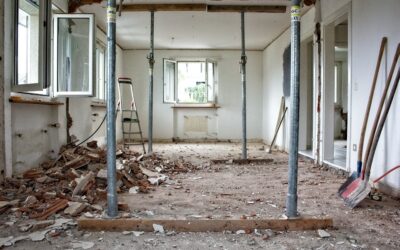
Insert (pocket) replacement keeps the existing frame and is typically the cheapest labor option. Full-frame replacement removes everything to the rough opening, which costs more but lets the crew inspect for rot and fix flashing. New construction installs fall in between, depending on the stage of the build.
Access and condition
Second-story and third-story openings, rotted sills, lead paint precautions on older homes and custom trim work all increase the bill.
How to Build an Accurate Budget
- List every opening. Room, style you want, and whether it is ground floor or upper story.
- Measure rough widths and heights. A laser distance measure makes inside and outside measurements quick, but final ordering measurements should come from the installer.
- Decide insert or full-frame per opening. Rotted or leaking openings usually need full-frame work.
- Choose a glass package by orientation. South and west windows benefit most from solar-control coatings in hot climates; cold climates may justify triple-pane on north walls.
- Request at least three quotes. Ask each dealer or installer to specify series, style, size, glass, color, grilles, installation method, trim, disposal and permit fees.
- Add a 10 to 15 percent contingency. Hidden rot is common in older wood openings.
For a whole-house project of 10 to 15 windows, many homeowners end up in a broad range of about $10,000 to $30,000 installed, depending on styles and options. A single bay window alone can approach the cost of several standard double-hung units. When you compare Andersen windows 400 Series prices between dealers, compare the total installed figure per opening, because the cost of Andersen 400 Series windows on paper means little until labor, trim and disposal are added.
400 Series vs Other Andersen Lines
Andersen says the 400 Series sits in the middle of its portfolio, with a more mid-range price than the 200 Series, which starts lower. Its 100 Series uses Fibrex composite throughout and carries the lowest-priced products, while the higher-end A-Series and E-Series offer more architectural detail and customization at higher prices. Andersen’s Renewal by Andersen brand is a separate full-service replacement program sold with installation included, so its pricing is not directly comparable to buying 400 Series units through a dealer.
Double-hung buyers should note one structural difference: comparisons of the lines point out that the double-hung style is available in the 400 Series, while the 100 Series offers single-hung. If you specifically want both sashes to tilt and operate, that steers you toward the 400 Series.
Ways to Lower the Total
The Andersen 400 Series windows cost can come down without dropping to a lower line. Mix styles strategically: use fixed picture units where you don’t need ventilation, since they generally cost less than operating windows of the same size. Keep standard sizes where the openings allow it, because custom sizes add production cost. Choose a standard exterior color unless a dark color is essential to the design. Replace the worst windows first and phase the rest over a few seasons if the budget is tight, ordering from the same series so the look stays consistent. Finally, ask whether the installer offers a discount for doing several openings in one visit, since setup time is a meaningful share of labor on small jobs.
Installation Safety and When to Call a Pro
Windows are heavy, awkward and often installed at height. A large 400 Series unit can easily take two people to lift into place.
- Ground-floor insert replacements are within reach of a skilled DIYer, but improper flashing and sealing cause leaks that rot framing and void warranties.
- Ladder work: set ladders on firm, level ground at a 4-to-1 angle, maintain three points of contact and never carry a window up a ladder alone.
- Any opening on the second story or higher should be installed by a professional crew using scaffolding or lifts.
- Homes built before 1978 may have lead paint on old window frames. Test before removal and use lead-safe work practices, or hire a firm certified for lead-safe renovation.
- Enlarging an opening or changing a header is structural work and usually needs a permit. Egress windows in bedrooms must meet local code for size and sill height.
Professional installation also matters for warranty coverage. Review Andersen’s installation requirements and ask your installer how they document their work.
Troubleshooting Quotes That Seem Off
One quote is far lower than the others. Check whether it is for the same series and style, whether installation is insert rather than full-frame, and whether trim, disposal and permits are excluded.
One quote is far higher. It may include full-frame replacement, interior trim replacement, prefinished interiors or upgraded glass. Ask for an itemized breakdown before dismissing it.
The dealer quotes a long lead time. Custom sizes, colors and specialty glass extend production. Plan exterior work around the season in colder regions.
Sizes don’t match your old windows. Replacement units are sized to fit the existing frame or rough opening, so numbers on a quote may differ from what you measured. That’s normal when the installer measured.
Frequently Asked Questions
How much does one Andersen 400 Series window cost?
A standard double-hung unit commonly falls in a broad range of about $500 to $1,200 for the window alone, and roughly $800 to $1,900 installed. Larger, specialty and bay units cost considerably more.
Why doesn’t Andersen list 400 Series prices online?
Andersen sells through dealers and retailers, and price depends on size, configuration, options, location and installation type. The company directs buyers to request a quote for an accurate figure.
Is the 400 Series worth the extra cost over vinyl windows?
You pay for a wood interior with a low-maintenance vinyl-clad exterior. If you want natural wood inside and a long-established product line, many buyers find it worthwhile. If interior wood doesn’t matter to you, all-vinyl or composite lines usually cost less.
What is the warranty on 400 Series windows?
Andersen lists a limited warranty of 20 years on standard glass and 10 years on non-glass components. Check the current warranty document for conditions.
Is installation included in the price?
Usually not when you buy units through a dealer or retailer. Installation is quoted separately or bundled by the installer. Always confirm what the quote covers.
Can I paint the exterior of a 400 Series window?
Andersen-related literature cautions that painting or staining the vinyl exterior can damage it. Pick the exterior color when ordering instead.