Yes, but the answer depends entirely on which fly and which vinegar. Are flies attracted to vinegar is one of the most common pest-control questions in summer, and the short version is that fruit flies will fly into apple cider vinegar from across the kitchen, while house flies barely register it. Understanding why opens up some of the cheapest, most effective DIY trap recipes ever invented.
The apple cider vinegar trap is the go-to fix when a fruit bowl draws flies, and it costs under a dollar.
The Science: Why Vinegar Pulls Fruit Flies
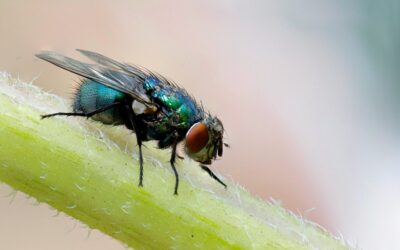
Fruit flies (Drosophila melanogaster) have olfactory receptors specifically tuned to acetic acid and the ester compounds released during fermentation. To a fruit fly, apple cider vinegar smells identical to overripe fruit, and they associate that smell with both food and an ideal egg-laying site. The female fly lays up to 500 eggs in her two-week lifespan, and she prefers slightly fermented organic matter every time.
House flies (Musca domestica) are wired differently. They cue in on protein, ammonia, and decay, not fermentation. That’s why they swarm trash cans, pet waste, and meat scraps. House flies will land on vinegar but rarely linger.
Which Vinegar Works Best
- Apple cider vinegar: Top performer. Heinz, Bragg, or store brand all work equally well.
- Red wine vinegar: Nearly as effective. The fermentation esters are even more pronounced.
- Balsamic vinegar: Strong attractant, but too thick for traps. Use diluted 1:1 with water.
- White distilled vinegar: Weak attractant. Save it for cleaning, not trapping.
- Rice vinegar: Mild. Skip it.
If your pantry is bare, a glass of cheap red wine works just as well. Restaurants in California vineyard country use leftover house wine as fruit-fly bait in catering trucks.
The Classic DIY Fruit Fly Trap
Here is the recipe. Materials cost: about 90 cents.
- Pour 1/2 cup of apple cider vinegar into a small glass jar or mason jar.
- Add a tablespoon of sugar and a slice of overripe banana (optional but boosts catch rates roughly threefold).
- Add 2 to 3 drops of Dawn dish soap. This breaks the surface tension so flies sink instead of skating on top.
- Cover the jar with plastic wrap and secure with a rubber band.
- Poke 6 to 10 holes in the wrap with a toothpick. Holes should be just larger than a fly.
- Place near the fruit bowl, sink, or wherever you spot fruit flies.
Empty and refresh the trap every 3 days. A single trap catches 50 to 200 flies in a typical kitchen infestation.
Why the Dish Soap Matters
This is the step most online recipes botch. Without dish soap, fruit flies land on the vinegar surface and walk right back off. Surface tension supports their weight. A few drops of Dawn (or Method dish soap if you prefer plant-based) drops the surface tension enough that the flies break through and drown within seconds. No soap, no trap. The plastic wrap funnel works as a backup so they can’t fly back out the way they came.
What About House Flies?
For larger house flies, vinegar barely moves the needle. Use these instead:
- Raw fish or shrimp shells in a sealed plastic bag with a small fly-sized opening. Works in 4 to 6 hours.
- Commercial fly traps like Rescue! TrapStik ($7) or Catchmaster Gold Stick. The bright yellow color triggers a visual response.
- Pyrethrin spray for active infestations. Always read labels and ventilate.
- UV light traps like Black Flag Fly Light ($25) for restaurants and garages.
Prevention Beats Trapping
Traps catch flies; sanitation prevents them. Take out the trash every 2 days in summer. Rinse recyclables, especially soda and beer containers. Keep fruit in the refrigerator or sealed bowls once it ripens. Pour a kettle of boiling water down your kitchen drain weekly, since fruit flies breed in the biofilm coating the disposal trap. A monthly enzyme treatment like Bio-Clean or InVade Bio Drain knocks out the breeding site that even the best vinegar trap can’t reach.
Common Mistakes
Skipping the soap. Using white vinegar instead of apple cider. Placing the trap too far from the activity zone — fruit flies don’t travel far, so the trap must be within 6 feet of the breeding site. Using a deep jar with a narrow mouth (flies can’t navigate down the neck easily). Leaving fruit bowls full while the trap runs — the fresh fruit out-competes the trap.
When to Call a Professional
If you’re catching 30 plus flies daily for more than two weeks straight, you have a breeding site you haven’t identified. Common hidden sources include forgotten potatoes or onions at the back of the pantry, a leaking dishwasher hose creating moist gunk under the cabinet, or a slow drain in a guest bathroom. Drain flies and phorid flies (gnat-like but distinct from fruit flies) often signal a cracked sewer line under a slab, which is a plumber’s call. A typical pest-control inspection runs $125 to $200 and is worth it if the homemade traps aren’t keeping up.
Trap Placement Strategies
Where you put the trap matters as much as what’s inside it. Fruit flies hover within 6 feet of their breeding source, so placement should target that radius. Put one trap next to the fruit bowl, one near the kitchen sink (where peels and food bits sit in the disposal trap), and one near the trash can. Three small traps clear an infestation faster than a single large one. For homes with multiple breeding sites — say, both a fruit bowl on the counter and a forgotten potato in the pantry — track catches per trap to identify which area is hottest, then focus sanitation efforts there.
Set traps at counter height or just slightly lower. Fruit flies tend to fly between 2 and 5 feet above the floor, so traps on the floor or above 6 feet underperform.
So yes, flies are attracted to vinegar — specifically fruit flies, specifically apple cider vinegar — and a 90-cent trap will outperform almost any aerosol on the supermarket shelf.