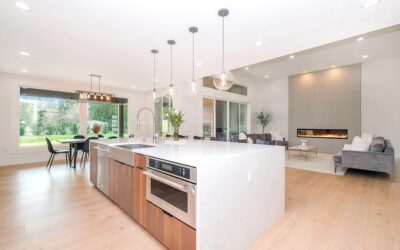
Walk through a few model homes or scroll a design feed and you might get the impression that granite has been quietly retired. So are granite countertops outdated, or is that just the loudest trend talking? The honest answer is nuanced: granite is no longer the automatic default it was in the 2000s, but it is far from dead, and in the right kitchen it still looks fantastic and adds real value.
Part of our Countertops guide — explore the full guide →
This guide separates genuine trend shifts from hype, so you can decide whether granite fits your home and your resale plans rather than following the crowd in either direction.
- The Short, Honest Answer
- Why People Think Granite Fell Out of Favor
- Granite vs. Quartz Popularity in the 2020s
- When Granite Still Shines
- Does Granite Still Add Resale Value?
- How to Keep Granite From Looking Dated
- Granite Colors That Feel Current vs. Dated
- Making the Decision for Your Home
- The Bottom Line
The Short, Honest Answer
Granite is not outdated in any meaningful, functional sense. It remains a premium natural stone that buyers still recognize and respect. What has changed is fashion. Engineered quartz has overtaken granite as the trendiest hard surface, and the busy, speckled granite looks of 2005 feel dated to some eyes today. The stone itself is timeless; certain color and pattern choices are what read as dated.
Put simply, granite has moved from being the default status upgrade to being one strong option among several. That is a demotion in fashion, not in quality.
Why People Think Granite Fell Out of Favor
A few forces created the impression that granite is passe:
- Quartz marketing: engineered stone brands invested heavily in the clean, marble-look aesthetic that dominates current design media.
- The white kitchen trend: today’s popular look favors calm, uniform surfaces, and busy multicolor granite can clash with it.
- Overexposure: granite was installed in millions of homes during the 2000s boom, so bold flecked slabs now signal that era.
- Maintenance talk: the need to reseal granite gets contrasted against zero-maintenance quartz.
None of these makes granite a bad surface. They simply explain why it lost the spotlight to quartz over the last decade.
Granite vs. Quartz Popularity in the 2020s
Quartz clearly leads current trend momentum, especially for the white-and-veined look buyers request most. Its non-porous, no-seal surface and consistent patterning suit the minimal, uniform kitchens featured everywhere right now. For a homeowner chasing a contemporary marble-look aesthetic, quartz is usually the easier match.
Granite counters that with things quartz cannot fully replicate: genuine natural variation, superior heat resistance, and outdoor durability. No two granite slabs are identical, which appeals to buyers who want authenticity over engineered consistency. The competition is real, but it is a two-horse race, not a knockout.
When Granite Still Shines
There are kitchens and situations where granite is still the smarter pick:
- Traditional and rustic kitchens where natural stone character suits the design far better than sleek engineered slabs.
- Outdoor kitchens, because granite tolerates direct sun and heat that would fade or scorch quartz.
- Cooks who use hot pans and want a surface that shrugs off heat with less worry.
- Budget-conscious remodels, since entry-level granite can run $40 to $70 per square foot installed, often undercutting comparable quartz.
- Homeowners who want a one-of-a-kind slab rather than a pattern shared by thousands of other kitchens.
Choose a calmer, more uniform granite color and you sidestep the dated look entirely while keeping every practical benefit of natural stone.
Does Granite Still Add Resale Value?
Yes. To most buyers, granite still reads as an upgrade over laminate or tile, and a well-chosen granite counter photographs and shows well. Real estate listings continue to feature stone countertops as a selling point, and buyers rarely reject a home for having quality granite.
The nuance is that quartz may now hold a slight edge with buyers chasing the latest look, particularly in higher-end or contemporary homes. But swapping perfectly good granite just to install quartz rarely pays for itself. If your granite is in good shape and a neutral color, it is an asset, not a liability, at resale.
How to Keep Granite From Looking Dated
Most of what people call outdated is really about specific color and styling choices, and those are easy to control. Keep these guidelines in mind:
- Favor calmer colors: uniform blacks, soft grays, and subtle earth tones age far better than busy gold-and-burgundy speckled slabs.
- Pair with current cabinetry: the right cabinet color and hardware modernize a stone counter instantly.
- Choose a leathered or honed finish for a more contemporary, less glossy look than a high-shine polish.
- Keep it sealed and clean, because a well-maintained surface always looks intentional.
Styling does most of the heavy lifting. A neutral granite in an updated kitchen looks current; the same stone surrounded by dated oak and brass looks like a time capsule.
Granite Colors That Feel Current vs. Dated
Since color drives most of the perception, it helps to know which granite families still look fresh. Calmer, more monochromatic slabs age gracefully because they read as a solid surface rather than a busy pattern.
- Still current: uniform absolute blacks, soft steel and pewter grays, subtle white-and-gray blends, and quiet earth tones with fine, even speckling.
- Feeling dated: high-contrast gold, burgundy, and brown slabs with large, busy movement that defined the mid-2000s.
- Timeless finishes: honed and leathered surfaces give even a classic stone a more contemporary, understated look than a mirror polish.
If you already have granite in a dated color, remember that new cabinetry, paint, hardware, and lighting can shift the whole room forward without touching the counter. Fashion often blames the stone when the surrounding kitchen is the real culprit.
Making the Decision for Your Home
The right call depends on your priorities, not on what a design feed insists is fashionable this year. Weigh a few honest questions before you choose. Do you cook with hot pans and want maximum heat tolerance? Granite has the edge. Are you building an outdoor kitchen exposed to sun? Granite again. Do you crave the clean, uniform, marble-look surface featured in current magazines? Quartz will get you there more easily.
Budget matters too. If entry-level granite comes in under comparable quartz for the slab you love, that savings is real money you can spend elsewhere in the remodel. And if you simply value owning a one-of-a-kind natural surface that no neighbor can exactly duplicate, granite delivers something engineered stone never will. There is no universally correct answer, only the one that fits your kitchen, your cooking, and your resale timeline.
Also consider how long you plan to stay. If this is your forever home, choose the material you personally love and stop worrying about trends, since fashions will cycle several times before you sell. If you expect to list within a few years, lean toward a neutral, widely appealing color in either material, because broad buyer appeal protects your investment far better than chasing whatever look happens to dominate this season.
The Bottom Line
So, are granite countertops outdated? Not really. Granite has lost its throne as the default trendy surface to quartz, and certain loud, speckled styles from the 2000s do feel dated. But as a durable, heat-resistant, naturally unique, and resale-friendly material, granite remains a completely valid and often smart choice, especially in traditional kitchens, outdoor spaces, and tighter budgets.
Do not rip out solid granite out of trend anxiety. If you are choosing new counters, weigh granite and quartz on their real merits for your kitchen, pick a color that will age gracefully, and you will end up with a surface that looks right for many years, no matter which way fashion turns next.