Art deco is one of the few design styles that looks equally at home in a 1930s apartment lobby and a brand-new condo bathroom. Weighing the art deco pros and cons comes down to a simple trade: you get bold geometry, glamour, and timeless character, but you pay for it in material cost, cleaning time, and the risk of a room that feels like a theme set if you overdo it. The good news is that the style scales. You can commit fully or borrow a few signature elements and get most of the payoff with far less risk.
- Art Deco Pros and Cons at a Glance
- What Defines Art Deco Style
- The Pros of Art Deco Design
- The Cons of Art Deco Design
- Where Art Deco Works Best in a Home
- Art Deco Flooring Options
- Restoring Original Deco Features in an Older Home
- How to Use Art Deco Without Overdoing It
- Is Art Deco Right for Your Home?
- Art Deco FAQ
Art Deco Pros and Cons at a Glance
Before digging into details, here is the quick summary most homeowners are looking for when they search this question.
| Pros | Cons |
|---|---|
| Strong, recognizable character | Premium materials cost more |
| Works in small spaces like baths and entries | Polished metals and lacquer show smudges |
| Blends well with modern furniture | Easy to overdo and feel theatrical |
| Durable hard surfaces like tile and terrazzo | Pattern-heavy floors are hard to change later |
| Adds perceived value in period homes | Can clash with rustic or farmhouse architecture |
If you read that and thought the pros outweigh the cons for one room but not the whole house, you are probably right. Most successful deco interiors today are selective.
What Defines Art Deco Style
The style took hold in the 1920s and peaked through the 1930s, mixing machine-age optimism with luxury. Its visual vocabulary is easy to spot once you know it:
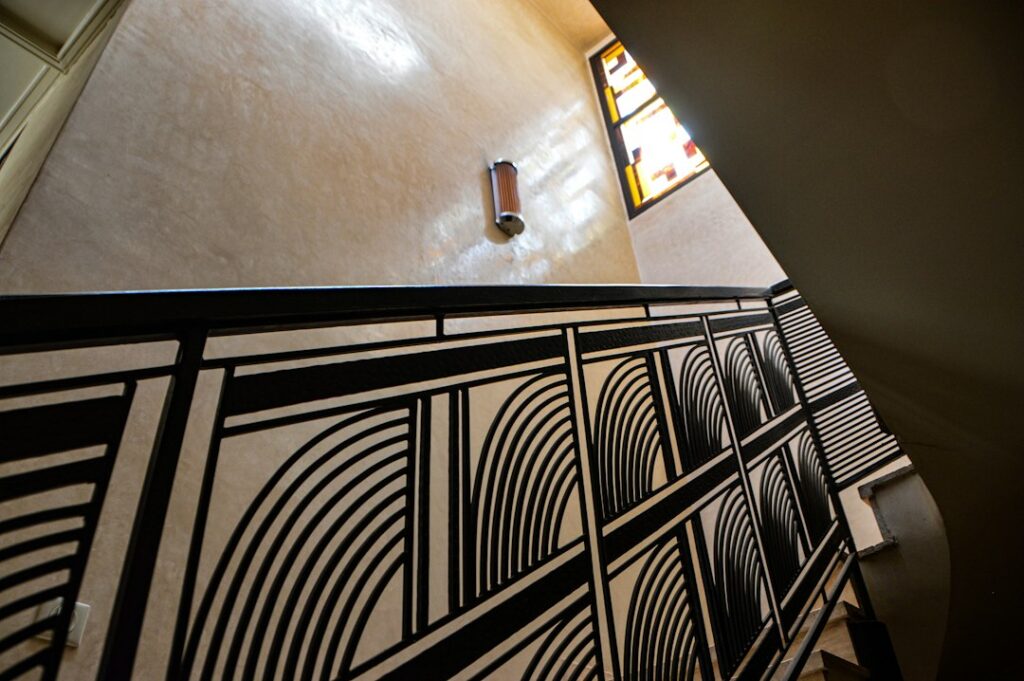
- Geometry and symmetry: chevrons, zigzags, stepped profiles, fan and sunburst motifs, and mirrored layouts.
- Rich materials: brass, chrome, polished nickel, marble, lacquered wood, burl veneers, velvet, and glass.
- High contrast: black with white or gold, or saturated jewel tones like emerald, sapphire, and deep teal.
- Streamlined curves: rounded sofa arms, arched mirrors, and curved vanity fronts, especially in the later Streamline Moderne phase.
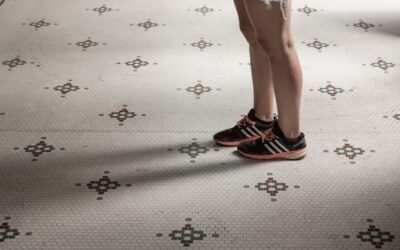
- Statement floors: terrazzo, checkerboard tile, hexagon mosaics, and herringbone or chevron wood.
It differs from mid-century modern, which followed it and stripped ornament away, and from Victorian design, which preceded it with heavier, more organic ornament. Deco sits in between: decorative, but decorative in a crisp, engineered way.
The Pros of Art Deco Design
Instant personality
Very few styles make a first impression as quickly. A black-and-white hex floor, a brass fan-shaped mirror, and a curved velvet chair tell visitors exactly what the room is about. For homeowners tired of all-white, all-gray interiors, that clarity is the main draw.
Small rooms benefit the most
Powder rooms, entry halls, and home bars are ideal places for deco because the style’s intensity works in short doses. A 30-square-foot powder room can handle bold wallpaper, a geometric floor, and polished brass without overwhelming anyone. The same treatment in a 400-square-foot great room would feel heavy.
It pairs well with modern pieces
Because deco is rooted in clean lines and geometry, it mixes comfortably with contemporary furniture. A modern sofa with a deco-inspired rug and lighting reads as intentional rather than mismatched. That flexibility lowers the cost of entry: you do not have to buy period antiques.
Hard surfaces that last
Terrazzo, porcelain tile, and stone floors are core to the look, and they are among the most durable flooring materials available. Poured or tile terrazzo can last for decades with periodic resealing, and porcelain mosaic is essentially waterproof. You are investing in surfaces that outlive most design trends.
Resale appeal in the right house
In a genuine 1920s or 1930s home, restored deco details such as original tile, built-ins, and period light fixtures are often a selling point. Buyers of older homes tend to value authenticity.
The Cons of Art Deco Design
Materials get expensive
Solid brass hardware, real marble, lacquered cabinetry, and custom metalwork cost significantly more than their builder-grade equivalents. A lacquered or high-gloss cabinet finish can run well above a standard painted finish, and unlacquered brass fixtures often carry a premium over chrome. Porcelain tile that imitates marble helps, but the style is still harder to do cheaply than, say, Scandinavian minimalism.
Maintenance on shiny surfaces
Mirror, polished chrome, lacquer, and high-gloss paint show every fingerprint and water spot. In a busy kitchen or a family bathroom, that means more frequent wiping. Unlacquered brass develops a patina over time, which some people love and others see as tarnish that needs polishing.
Easy to tip into costume
Stack sunburst mirrors, zigzag rugs, gold everything, and a Gatsby poster in one room and it starts to feel like a party venue. The line between glamorous and gimmicky is thinner with deco than with quieter styles. Editing is essential.
Bold floors are a long commitment
A checkerboard or intricate mosaic floor is expensive and disruptive to remove. If you like to redecorate every few years, a pattern locked into tile or terrazzo limits your future choices. Wall treatments and furniture are much easier to change.
Architecture can fight it
Deco looks natural in apartments, city homes, and houses with smooth plaster walls. It can feel out of place in a timber-framed cabin or a farmhouse with rough beams, unless you confine it to one contained room.
Where Art Deco Works Best in a Home
- Bathrooms: Hex or penny tile floors, subway walls with a contrasting border, a curved vanity, and brass or nickel fixtures. Porcelain keeps it practical and waterproof.
- Entryways: A patterned marble-look floor, a round or fan mirror, and a sculptural pendant set the tone for the house.
- Home bars and dining rooms: Mirrored backsplashes, velvet seating, and stepped or fluted details suit rooms used mostly in the evening.
- Bedrooms: A channel-tufted headboard, lacquered nightstands, and a geometric rug add glamour without much risk.
Kitchens are trickier. Deco can work with fluted cabinet panels, a geometric backsplash, and brass hardware, but choose finishes that tolerate cleaning. Satin brass instead of mirror-polished, and semi-gloss rather than piano-lacquer cabinetry, keep the look while cutting maintenance.
Art Deco Flooring Options
Because floors are where deco makes its biggest statement, they deserve extra thought.
- Terrazzo: The most authentic choice, available as poured-in-place or tile. Poured terrazzo is a premium installation; terrazzo tile costs less and is DIY-adjacent for experienced tilers.
- Checkerboard tile: Black and white porcelain or marble set on the diagonal is a classic. Consider muted pairs like cream and charcoal if stark contrast feels too loud.
- Hexagon and penny mosaic: Perfect for bathrooms. Add a border or a simple flower pattern for authenticity.
- Chevron and herringbone wood: Warmer than tile and suitable for living spaces. Engineered wood or luxury vinyl in chevron planks gives the look at a lower price.
If you are unsure, go bold in a small room and quieter in large ones. A patterned powder room floor carries a lot of style without committing your whole house.
Restoring Original Deco Features in an Older Home
Homes built in the 1920s and 1930s often hide original tile, plaster moldings, and built-ins under later renovations. Uncovering them can be rewarding, but it comes with real hazards. Houses built before 1978 may contain lead-based paint, and some flooring, adhesives, and pipe insulation from that era contain asbestos. Sanding, scraping, or demolishing these materials can release toxic dust.
Before disturbing old paint, tile, or mastic, have the materials tested. For lead, hire an EPA RRP-certified renovator for any work that disturbs painted surfaces, and use a licensed asbestos abatement contractor if testing finds asbestos. Rewiring vintage light fixtures is also a job for a licensed electrician, since original cloth-insulated wiring is frequently brittle.
How to Use Art Deco Without Overdoing It
A practical rule is to pick one hero element per room and support it with two or three smaller nods. For example:
- Choose a hero: a patterned floor, a statement wallpaper, or a sculptural light fixture.
- Repeat one metal finish throughout the room, such as brass, rather than mixing several.
- Add one geometric motif in a textile, like a rug or pillow.
- Keep large furniture simple and let accessories carry the style.
- Balance shiny surfaces with matte ones, such as a velvet chair next to a lacquered table.
Color helps too. A deep emerald or navy wall with brass accents feels unmistakably deco but is calmer than black-and-gold contrast. Limiting the palette to three colors keeps the room coherent.
Is Art Deco Right for Your Home?
After weighing the art deco pros and cons, the style tends to suit you if you like strong character, enjoy some polish and upkeep, and have a room or two where drama makes sense. It is a weaker fit if you want a low-maintenance family house, change your decor often, or live in a strongly rustic home. For most people, the smart middle path is a deco powder room or entry, deco lighting and hardware in a few other rooms, and neutral, durable surfaces everywhere else. That way you enjoy the glamour and keep your options open.
Art Deco FAQ
Is art deco going out of style?
Art deco has cycled back into fashion several times over the last century. Its core elements, such as geometric tile, brass, and curved furniture, have lasting appeal, especially when used selectively rather than across an entire home.
Is art deco expensive to decorate with?
It can be, because the look relies on metals, stone, lacquer, and velvet. Porcelain tile, engineered wood, brass-finish hardware, and vintage-inspired lighting let you get the style for considerably less.
What colors are typical of art deco?
Classic combinations include black with white or gold, plus jewel tones like emerald, sapphire, teal, and burgundy. Softer versions use blush, cream, and champagne with brass accents.
Can art deco work in a small home?
Yes. Small rooms such as powder baths and entries are where the style shines, since bold patterns and metallics feel intentional in a compact space.