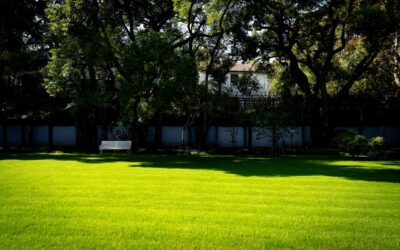
Synthetic turf used to be the rough green carpet you saw on miniature golf courses and outdated putting greens. The product on the market today bears almost no resemblance to that. Modern artificial grass flooring uses multi-blade tufting with thatch, polyethylene yarn that mimics real fescue, and drainage backing that handles a garden hose head-on. Used indoors, on balconies, in gyms, and around pools, it solves a category of problems no other surface can touch.
What follows is a working buyer’s guide: pile heights, face weights, brand-by-brand pricing, where the install pays off, and where you should pick something else.
- How Artificial Grass Is Built
- Pricing Tiers and What Each Buys
- Best Brands in the US Market
- Pros That Sell People on Turf
- Honest Drawbacks
- Indoor and Balcony Applications
- Step-by-Step Install for a Backyard
- Care and Lifespan
- Putting Down Artificial Grass: Details That Separate a Pro Finish From a DIY Look
- Final Verdict
How Artificial Grass Is Built
Every turf product breaks down into four components: face yarn, thatch, primary backing, and secondary backing. Face yarn is the visible blade, made from polyethylene (soft, realistic), nylon (firm, expensive), or polypropylene (cheap, used in indoor logos). Thatch is the curly brown filler at the base that imitates dead grass and gives the product depth.
Pile height ranges from 0.5 inch indoor turf up to 2.5 inch landscape-grade. Face weight, measured in ounces per square yard, signals density and durability. Anything under 60 oz feels thin. The sweet spot for residential installs is 70 to 90 oz, and commercial-grade products push past 100 oz.
Pricing Tiers and What Each Buys
- $1.50 to $2.75 per sq ft: builder-grade polypropylene, indoor or covered patio only, 50 to 60 oz face weight
- $2.75 to $4.50 per sq ft: mid-grade polyethylene, 70 to 80 oz, 1.5 inch pile, fine for residential lawns and balconies
- $4.50 to $7.00 per sq ft: premium multi-blade with thatch, 85 to 100 oz, UV warranty 8 to 15 years
- $7.00 to $12.00 per sq ft: putting green nylon, pet-rated turf with antimicrobial backing
Installed pricing on a full landscape project typically lands $12 to $20 per sq ft once you add base prep, infill, seaming tape, and labor. For a simple roll-out on a 200 sq ft balcony, you can do it yourself for the cost of the turf alone.
Best Brands in the US Market
SYNLawn is the largest US-made brand with the broadest catalog, including the SYNAugustine and SYNBlue residential lines and SYNPet products with zeolite-infused backing for odor control. TurfTime, Foreverlawn, and Global Syn-Turf compete in the same premium tier. ForeverLawn’s K9Grass is the go-to for kennel installs.
For DIY budget projects, RealGrass at Costco, Home Depot’s Turf Evolutions Pet/Sport, and Lowe’s NewGrass deliver 75 to 85 oz quality at $2.50 to $4 per sq ft in 7.5 ft and 15 ft rolls.
Pros That Sell People on Turf
No watering, no mowing, no fertilizer. The EPA estimates a typical American lawn drinks 30,000 gallons per year. Drought-prone areas like Phoenix, Las Vegas, and inland California have rebate programs of $1 to $4 per sq ft to replace natural grass with synthetic, often paying back 25 to 50 percent of the install.
The surface stays usable year-round. After heavy rain, drainage backing rated at 30 inches per hour clears water in minutes. Mud and bare spots disappear, which is why dog owners and parents with playsets are the fastest-growing buyer segments.
Honest Drawbacks
Heat is real. On a 95 degree F day in direct sun, polyethylene turf can hit 150 to 175 degree F on the surface, hot enough to burn bare feet and dog paws. Manufacturers have begun adding “cool” yarn technology that drops surface temperature 15 to 20 degrees, but no synthetic blade matches the evaporative cooling of real grass.
Pet urine smell builds up if you skip the antimicrobial infill or the wrong backing. Solid latex backing traps liquid; choose a perforated or fully permeable backing for kennels and dog runs.
UV degradation is the long-term killer. Cheap polypropylene turfs fade and turn brittle in 2 to 4 years of direct sun. Quality polyethylene from a brand with a written 8 to 15 year UV warranty is the minimum spec if the area sees full afternoon sun.
Indoor and Balcony Applications
Artificial grass flooring works beautifully indoors for kid play areas, home gyms, golf simulators, and three-season porches. Choose a short 0.5 to 1 inch pile with a smooth or marine-grade backing and skip the infill entirely. Roll it out, double-stick seam tape down, and you have a soft surface that vacuums clean.
On condo balconies, use deck tiles with turf inserts (Greatmats and SwiftLock sell 12×12 modular squares) so you do not violate HOA rules against fixed flooring. They lift off in seconds for inspections.
Step-by-Step Install for a Backyard
- Strip 3 to 4 inches of native soil, removing all organic matter
- Lay landscape fabric, then 3 inches of class II road base compacted to 90 percent density
- Top with 1 inch of decomposed granite, screeded flat and compacted
- Roll turf out, let it relax in the sun 2 hours, then trim edges with a hooked blade
- Seam panels together with 12 inch wide seam tape and turf glue, brushing blades away from the seam
- Secure perimeter with 6 inch galvanized nails every 4 inches
- Brush in silica sand or organic infill at 1.5 to 2 lb per sq ft and power broom upright
A 500 sq ft DIY project takes a weekend and roughly $3,200 in materials. Hiring it out runs $7,500 to $10,000.
Care and Lifespan
Rinse weekly in dry climates to flush dust. Use an enzyme cleaner like Simple Green Outdoor or PE-51 monthly in pet areas. Power broom against the grain twice a year to lift the blades and redistribute infill. Done right, quality artificial grass flooring lasts 15 to 25 years before the yarn needs replacing.
Putting Down Artificial Grass: Details That Separate a Pro Finish From a DIY Look
The basic install sequence is simple on paper. What decides whether putting down artificial grass looks like a real lawn or a rolled-out rug is a handful of details that happen between the steps: how the base is shaped, which way the blades face, where the seams land, and how the infill goes in.
Shape the base for water, not just flatness
Turf drains straight down through its backing, but the water still has to go somewhere. Screed the compacted base with a slight fall away from the house, patios, and foundations rather than dead level, and look for low spots with a long straightedge before any turf comes out. A dip that holds water under the backing is the most common source of soggy spots and pet odor later. Lightly mist the decomposed granite before the final compaction pass so it locks together instead of staying loose on top.
Plan the roll layout before you cut:
- Keep every piece facing the same way. Turf has a grain. If one roll leans toward the house and the next leans away, the color shifts visibly at the seam, even when the product is identical.
- Point the grain toward the main viewing spot. Blades that lean toward the patio or back door look fuller and hide the backing.
- Keep seams out of the traffic path. Run them parallel to the main walking line, not across it, and avoid putting a seam where a dog runs laps.
- Order extra. Rolls come in fixed widths, so a simple sketch on graph paper shows how much is lost to trimming before you buy.
Make seams disappear. Trim the factory edge off both pieces so you are joining clean tuft rows, then set the edges with a small, even gap that follows the stitch spacing of the product. Fold both edges back, lay the seam tape shiny side down centered under the joint, spread the adhesive, and lower the turf onto it without trapping blades in the glue. Weight the seam while it cures, and walk it before the adhesive sets to press the backing into full contact.
Infill in thin passes. Spread infill in several light layers with a drop spreader, brushing the blades upright between passes, rather than dumping the full amount at once. A thin pass settles down to the backing; a heavy one sits on top and flattens the fibers. A gentle rinse at the end helps the infill settle and cleans off dust. For pet areas, stick with the infill type the turf maker recommends so the drainage and odor control still work as designed.
Final Verdict
For drought-prone yards, pet runs, balconies, and indoor play spaces, artificial grass earns its premium. Avoid bargain polypropylene unless the area is fully shaded, invest in cool yarn for sun-baked installs, and prep the base properly. The right turf will outlast the average natural lawn five times over and never need a mower again.
Prefer to explore on your own?
See how new flooring looks in your actual room in seconds — free, no signup.
Try the free Floor Studio →