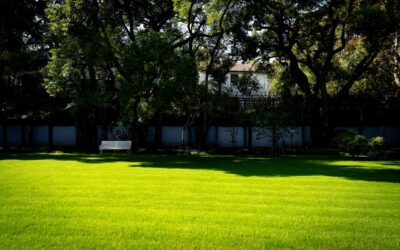
An artificial grass carpet roll brings the look of a lush green lawn to spaces where real grass cannot grow. Whether you want to transform a concrete balcony, create a kid-friendly play area, cover a worn-out patio, or set up a pet-friendly zone, artificial turf rolls offer a low-maintenance solution that stays green year-round without watering, mowing, or fertilizing.
This guide covers everything from choosing the right turf to installing it yourself, including indoor and outdoor applications, pile height options, drainage considerations, and realistic cost expectations.
What Is an Artificial Grass Carpet Roll?
An artificial grass carpet roll is a length of synthetic turf sold in roll format, typically 3 to 15 feet wide and cut to your desired length. The grass blades are made from polyethylene, polypropylene, or nylon fibers tufted into a latex or polyurethane backing. Many products include a drainage layer with perforations that allow water to pass through.
Unlike artificial grass designed for full landscape installations (which requires base preparation, compacted gravel, and infill), carpet-style turf rolls are lighter weight and designed for simpler installations on hard surfaces like concrete, wood decks, and indoor subfloors.
Popular Uses for Artificial Grass Rolls
Patios and Balconies
Concrete patios and apartment balconies are the most common application. A turf roll instantly softens a hard, grey space and creates a comfortable surface for bare feet. It also reduces heat absorption compared to bare concrete, keeping the surface cooler in summer.
Playrooms and Children’s Areas
Indoor artificial grass creates a fun, cushioned play surface for kids. It works well in basements, playrooms, and daycare settings. The soft surface provides impact absorption for tumbles, and it is easy to clean with a vacuum or damp cloth.
Pet Areas
Artificial turf is widely used for dog runs, indoor pet potty areas, and kennel flooring. Pet-specific turf products feature enhanced drainage and antimicrobial treatments that prevent odor buildup. For apartment dogs, a small turf roll on a balcony or in a spare bathroom provides a familiar surface for relief.
Rooftop Decks
Rooftop spaces benefit from artificial grass because it is lightweight, drains well, and creates a park-like atmosphere in an urban setting. The turf also protects the roofing membrane underneath from foot traffic and UV damage.
Trade Shows and Events
Temporary event flooring is a growing use case. Artificial grass rolls can be unrolled, used for an event, and rolled back up for storage. They create an inviting outdoor feel for weddings, corporate events, and retail displays.
Indoor Sports and Fitness
Short-pile artificial turf is popular for home gyms, indoor putting greens, and batting cage floors. It provides traction for exercises like sled pushes and agility drills without damaging the subfloor beneath.
Pile Height Options
Pile height refers to the length of the grass blades measured from the backing. It significantly affects both appearance and performance.
Short Pile: 10 to 20 mm (0.4 to 0.8 inches)
Short pile turf looks like a freshly mowed putting green. It is firm, dense, and easy to clean. Best uses include putting greens, gym floors, pet areas (easier to clean), and areas where furniture will be placed. Short pile does not look as natural as taller options, but it is the most practical for heavy-use applications.
Medium Pile: 20 to 35 mm (0.8 to 1.4 inches)
Medium pile is the most popular choice for general residential use. It offers a good balance between realistic appearance and practical maintenance. The blades are long enough to create a natural lawn look but short enough to spring back from foot traffic and furniture impressions. This is the best all-around option for patios, balconies, and play areas.
Long Pile: 35 to 50 mm (1.4 to 2 inches)
Long pile turf creates the most lush, luxurious appearance. It looks like an unmowed summer lawn and feels incredibly soft underfoot. However, long pile tends to flatten under heavy traffic, requires more brushing to maintain its upright position, and is harder to clean. It works best in low-traffic decorative areas and display settings.
Choosing the Right Turf
Beyond pile height, consider these factors when selecting an artificial grass carpet roll.
Fiber Material
- Polyethylene: The most common and popular choice. Soft to the touch, UV-resistant, and durable. Best for general residential use.
- Polypropylene: Less expensive but also less durable. It is less UV-stable and can flatten faster. Best for indoor use, temporary installations, and budget applications.
- Nylon: The most durable and resilient fiber. It springs back from compression better than any other material. However, it is the most expensive and can feel rough. Best for high-traffic commercial areas and sports applications.
Density
Density is measured in stitches per square inch or ounces per square yard of face weight. Higher density means a fuller, more realistic appearance and better durability. For residential patios and balconies, look for a minimum face weight of 40 ounces per square yard. Premium products reach 70 to 100 ounces.
Backing and Drainage
For outdoor use, drainage is critical. Look for turf with perforated backing that allows at least 30 inches of water per hour to pass through. Some products feature a full drainage backing rather than just perforations, which provides even better water management.
UV Stabilization
Any turf used outdoors must be UV-stabilized to prevent fading and fiber degradation from sun exposure. Quality products include UV inhibitors that maintain color for 8 to 15 years. Check the warranty for UV coverage.
Installation: Loose Lay Method
The simplest installation method for artificial grass carpet rolls on hard surfaces.
Step 1: Prepare the Surface
Clean the concrete, deck, or other hard surface thoroughly. Remove debris, dirt, and any existing loose material. The surface should be dry and relatively flat. Minor cracks and imperfections in concrete are fine since the turf will cover them.
Step 2: Unroll and Position
Unroll the turf and let it sit flat in the sun for 2 to 4 hours. This allows the backing to relax and the turf to flatten out from being rolled. Position the turf where you want it and trim edges with a utility knife to fit the space.
Step 3: Seam Multiple Rolls
If you need multiple rolls to cover the area, butt the edges together tightly and secure them with seaming tape and adhesive underneath. Make sure the grain direction of all pieces runs the same way for a uniform appearance.
Step 4: Secure the Edges
For loose lay on a patio or balcony, the weight of the turf combined with furniture is usually enough to hold it in place. For added security, use double-sided carpet tape around the perimeter or weigh down the edges with planters and furniture.
Installation: Adhesive Method
For permanent installations or areas with wind exposure, adhesive provides a more secure bond.
Step 1: Prepare and Position
Follow the same preparation and unrolling steps as the loose lay method. Once positioned, fold back half of the turf to expose the subfloor.
Step 2: Apply Adhesive
Apply outdoor carpet adhesive or artificial turf glue to the exposed subfloor using a notched trowel. Work in sections to prevent the adhesive from drying before you place the turf.
Step 3: Press and Repeat
Lay the turf back down onto the adhesive, pressing firmly. Use a heavy roller or walk across the surface to ensure full contact. Fold back the other half and repeat the process.
Step 4: Cure Time
Allow 24 hours for the adhesive to fully cure before allowing foot traffic. Avoid heavy furniture placement for 48 hours.
Maintenance
Artificial grass carpet rolls require minimal but regular maintenance to stay looking fresh.
- Brushing: Use a stiff bristle broom to brush the fibers upright every few weeks. This prevents matting and keeps the grass looking full. Always brush against the grain direction.
- Rinsing: Hose down outdoor turf monthly to remove dust, pollen, and debris. This also helps prevent odor buildup in pet areas.
- Spot cleaning: Clean spills and pet waste promptly with water and a mild soap solution. Enzyme-based cleaners work well for pet urine odor.
- Leaf removal: Use a leaf blower or lightweight rake to remove fallen leaves and debris. Do not let organic matter sit on the turf, as it can trap moisture and promote mold.
- Avoid heat sources: Keep grills, fire pits, and hot items away from artificial turf. Synthetic fibers melt at relatively low temperatures.
Cost Per Square Foot
Artificial grass carpet roll costs vary widely based on quality, pile height, and fiber type.
- Budget turf (polypropylene, short pile): $1 to $2 per square foot
- Mid-range turf (polyethylene, medium pile): $2 to $5 per square foot
- Premium turf (high-density polyethylene or nylon): $5 to $8 per square foot
- Pet-specific turf with antimicrobial treatment: $3 to $6 per square foot
- Adhesive and seaming supplies: $0.50 to $1 per square foot
For a 100 square foot balcony with mid-range turf, expect to spend $200 to $500 for the material plus $50 to $100 for adhesive and tape if doing a permanent installation.
How Long Does Artificial Grass Last?
The lifespan depends heavily on quality and exposure conditions. Budget polypropylene turf in direct sun may fade and deteriorate within 3 to 5 years. Quality polyethylene turf with UV stabilization typically lasts 8 to 15 years outdoors and even longer indoors. Premium nylon products in covered or indoor settings can last 15 to 20 years with proper care.
Pros and Cons Summary
Pros
- Zero watering, mowing, or fertilizing
- Green year-round regardless of climate
- Soft, cushioned surface for kids and pets
- Quick, simple installation on hard surfaces
- Drains well for outdoor use
- Allergen-free compared to real grass
Cons
- Gets hot in direct sun (can reach 150 degrees F on dark surfaces)
- Requires periodic brushing to prevent matting
- Not biodegradable at end of life
- Initial cost is higher than sod for large areas
- Pet odor can build up without regular rinsing
Final Thoughts
An artificial grass carpet roll is a versatile, low-maintenance way to bring a natural green look to patios, balconies, play areas, and pet zones. Focus on polyethylene fiber with medium pile height for the best combination of realism and durability. For outdoor installations, make sure the product has good drainage and UV stabilization. With the right product and basic care, your artificial turf will look fresh and inviting for years to come.