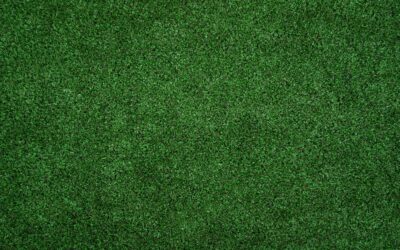
If you want the look of a lawn without the mowing, green grass carpet is the product that gets you there. It is the grass-look indoor-outdoor carpet and artificial turf you see on patios, balconies, mini-golf courses, and kids’ play areas. I have installed a lot of it over the years on everything from concrete slabs to wood decks, and the results range from great to disappointing depending entirely on the material you pick and how the base is prepped. This guide covers the fiber types, face weight, drainage backing, installation, cost per square foot, and maintenance so you buy the right product the first time.
What Green Grass Carpet Is
Green grass carpet is a broad category that spans two related products. On the simpler end is indoor-outdoor turf carpet, a short, dense, uniform pile that looks like a manicured putting green and lays down like any carpet roll. On the richer end is landscape artificial turf, which has longer blades, mixed shades of green and tan thatch, and a more realistic lawn appearance. Both are synthetic, both shed water, and both are built to handle sun and rain. Which one you want depends on whether you are surfacing a patio for furniture and foot traffic or replacing an actual lawn area.
Materials: Polypropylene, Polyethylene, and Nylon
The fiber determines how the product feels, how it wears, and what it costs.
Polypropylene
Polypropylene is the most common and most affordable fiber. It has the fine, dense texture of classic indoor-outdoor turf carpet and works well for patios, event spaces, and decks. It is not the softest and it can flatten under heavy sustained pressure, so it is best where appearance and budget matter more than a plush underfoot feel.
Polyethylene
Polyethylene blades are softer and more flexible with a natural sheen, which makes them the top choice for realistic landscape lawns and family play areas. Kids and pets are comfortable on it and it recovers well from foot traffic.
Nylon
Nylon is the toughest and most heat-resistant fiber, holding its shape under the heaviest use. It also costs the most and can feel stiffer, so it shows up in high-traffic commercial settings and putting greens more than backyard lawns.
Face Weight and Pile Height
Face weight is the ounces of fiber per square yard, and it is the number that best predicts density and durability. Budget turf carpet runs around 20 to 40 ounces, mid-grade landscape turf lands near 40 to 60 ounces, and premium lawns reach 60 to 90 ounces or more. Higher face weight means more blades packed in, which looks fuller and wears longer.
Pile height, the blade length, ranges from about 1/4 inch on putting-green style turf to 1 3/4 inches on lush landscape lawns. For patios and play areas, a 3/4 to 1 1/4 inch pile with a face weight around 45 to 60 ounces hits the sweet spot of realistic look and practical maintenance.
Drainage Backing
Backing is the difference between a patio that dries fast and one that stays soggy. Quality green grass carpet uses a permeable backing, often a hole-punched polyurethane or latex, that lets water pass straight through at rates well over 30 inches per hour. Full-drain or flow-through backing drains across the entire surface and suits pet areas and rainy climates. Perforated backing drains through spaced holes and is fine for general patio use.
For balconies and rooftop decks where water must reach a specific drain, choose a fully permeable backing and slope the base so runoff flows where you want it. Solid, non-draining backing belongs only on covered porches that never see rain.
Installation on Concrete and Wood
Prep decides the outcome. The surface must be clean, dry, and sloped slightly for runoff before anything goes down.
On Concrete
- Sweep and pressure-wash the slab, then let it dry fully.
- Roll the turf out and let it relax in the sun for an hour or two so it lies flat.
- Trim to fit with a sharp utility knife cutting from the backing side.
- Bond the perimeter and any seams with outdoor turf adhesive or double-sided seam tape rated for exterior use. For a fully glued install, spread adhesive with a notched trowel.
- Weight the edges until the adhesive cures, usually 24 hours.
On Wood Decks
Wood needs airflow so it does not rot under the turf. Confirm the deck boards have gaps that let water drain, use a fully permeable turf backing, and fasten the turf with galvanized or stainless staples and screws rather than sealing the whole surface with adhesive. Keep the turf from trapping standing water against the wood, and lift a corner occasionally to let the boards breathe and dry.
Infill: When You Need It and When You Don’t
Infill is the granular material brushed down into the blades on ground-installed landscape turf, and homeowners often wonder whether it belongs on a patio too. On a lawn or play area laid over compacted base and drainage rock, infill matters. Silica sand or rounded rubber granules weight the turf down, keep the blades standing upright, protect the backing from UV, and add a cushioned feel underfoot. A common spread rate is 1 to 2 pounds per square foot depending on pile height.
On a hard surface like concrete or a deck, most short indoor-outdoor turf carpet needs no infill at all because it is glued or stapled flat and the pile is too low to matter. For taller landscape turf on a patio, a light dressing of sand can still help the blades stand and reduce heat, but it is optional. If you want the simplest possible install and easy cleanup, skip infill on hard surfaces and just brush the blades periodically instead.
Cost Per Square Foot
Prices vary with fiber and face weight. Basic indoor-outdoor turf carpet runs roughly $1 to $3 per square foot. Mid-grade landscape turf lands around $3 to $6 per square foot, and premium high-face-weight lawns run $6 to $12 or more. Professional installation with base prep, adhesive, and seaming typically adds $3 to $8 per square foot. For a small 200 square foot patio you might spend $400 to $1,200 in materials alone depending on grade, and a DIY install on an existing clean slab saves the labor entirely.
Maintenance and Care
Green grass carpet is low-maintenance, not no-maintenance. Keep it looking sharp with a simple routine:
- Rinse it with a hose every week or two to wash off dust and pollen.
- Brush the blades against their lean with a stiff-bristle broom to keep them upright, especially in traffic paths.
- Remove leaves and debris promptly with a leaf blower or plastic rake, never a metal rake that can snag the fibers.
- For pet areas, rinse urine spots regularly and use an enzyme cleaner to control odor.
- Cool hot turf on summer days with a quick hose spray; dark synthetic blades absorb heat and can get uncomfortable in direct sun.
Avoid dragging heavy grills or fire pits across it, since concentrated heat and sharp edges damage the blades. Do that light upkeep and a good green grass carpet holds its color and stands up to weather for 8 to 15 years, which is why it remains such a popular way to green up a hard outdoor space.