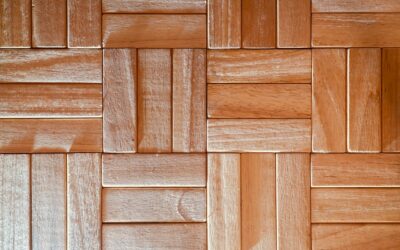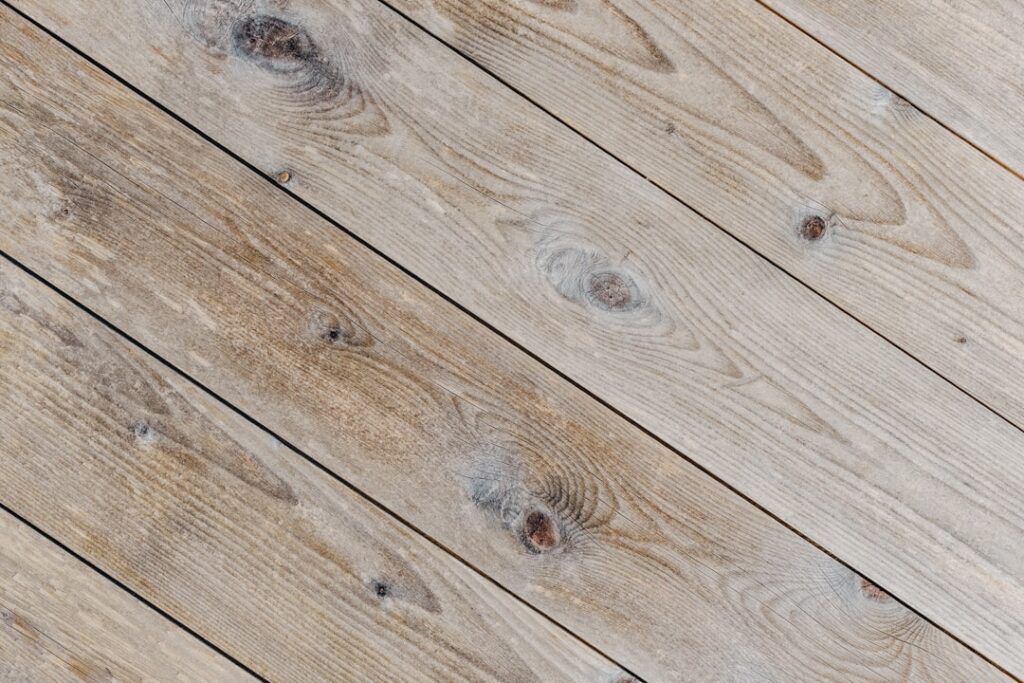
There’s a quiet luxury to a floor laid in a crisp zigzag, and when you build it from pale, open-grained timber the effect is bright and contemporary all at once. Ash herringbone flooring has become a favorite for homeowners who want the heritage of a parquet pattern without the heavy, dark formality of traditional oak. The combination flatters Scandinavian, modern, and transitional interiors equally well. Before you commit, it pays to understand how ash performs, how the pattern affects your budget, and what installation really involves.
- Why Ash Wood Works in Herringbone
- Hardness and Durability
- Understanding Herringbone Layout
- Solid vs Engineered Ash
- Finishes and Color Options
- Pros and Cons of Ash Herringbone
- Cost and Installation
- Caring for an Ash Herringbone Floor
- Design Tips to Make the Most of the Pattern
- Is Ash Herringbone Right for You?
Why Ash Wood Works in Herringbone
Ash is a light-colored North American and European hardwood with a prominent, flowing grain similar to oak but generally paler and creamier. That bright tone is exactly why it shines in a herringbone layout. The pattern already draws the eye with its rhythm of angled blocks, and ash’s open grain adds texture without overwhelming the geometry. The result reads clean and airy, which makes a room feel larger and bounces natural light around. If you’ve found dark herringbone too heavy, pale ash is often the answer.
Hardness and Durability
Ash is a genuinely tough hardwood. On the Janka hardness scale it sits around 1,320 pounds-force, putting it slightly above red oak (about 1,290) and comfortably in everyday-living territory. That means it resists dents and dings from foot traffic, dropped toys, and furniture better than softer species like walnut or pine. In a herringbone floor, durability matters because there are more seams and edges than in straight planks, and a harder wood holds those crisp edges longer. For families and high-traffic areas, ash is a sensible, hardwearing choice.
Understanding Herringbone Layout
Herringbone is a pattern of rectangular blocks set at 90 degrees to each other in a broken zigzag, not to be confused with chevron, where the planks are cut at an angle to form a continuous V. With herringbone, the planks keep their square ends, so it’s a touch more forgiving and slightly cheaper to mill than chevron. Key layout decisions include:
- Single vs double herringbone: Doubling up planks in each step creates a bolder, larger-scale pattern.
- Direction: Running the point of the pattern toward the main sightline or window draws the eye through the room.
- Border: A perimeter border frames the field and hides cut edges along walls.
Solid vs Engineered Ash
You can buy ash herringbone as solid wood or engineered planks, and the choice affects where you can install it. Solid ash is milled from a single piece and can be sanded and refinished many times, but it’s sensitive to moisture and humidity swings, so it’s not ideal over concrete or in basements. Engineered ash uses a real ash veneer over a stable plywood or HDF core, which resists expansion and contraction far better. For herringbone specifically, engineered planks are popular because the pattern’s many joints benefit from a dimensionally stable product that won’t gap or cup with seasonal changes.
Finishes and Color Options
Ash takes finishes beautifully, and its pale base gives you flexibility. A clear matte or natural oil finish preserves that signature blond look and shows off the grain. Many homeowners choose a white-washed or lightly limed finish to push the floor even brighter and more Nordic. Ash also accepts stains, though darker stains can muddy its character, so test samples first. A hardwax oil finish offers a soft, natural feel and is spot-repairable, while a polyurethane finish gives a tougher, more uniform surface that’s easier to maintain in busy households.
Pros and Cons of Ash Herringbone
Like any specialty floor, it’s a trade-off between visual impact and practical demands.
- Pros: Bright, airy aesthetic; hard and durable; timeless pattern that adds resale appeal; works with both modern and classic decor; engineered versions are stable.
- Cons: Pattern installation is labor-intensive and costlier; more waste during cutting; pale wood can show dirt and scuffs more than mid-tones; solid ash is moisture-sensitive.
Cost and Installation
Expect to pay a premium over standard straight-plank flooring. Ash herringbone material commonly runs $7 to $14 per square foot depending on whether it’s solid or engineered and the quality of the finish. Installation is where the cost really climbs, because the angled, repetitive layout is slow and demands precision. Professional install for a herringbone pattern often runs $6 to $12 per square foot, roughly double the cost of laying straight planks. Plan for extra material too, since cutting the pattern and borders generates more offcuts; ordering 10 to 15 percent overage is wise.
Caring for an Ash Herringbone Floor
The many seams in a herringbone floor make routine care a little more important than with straight planks, because grit can collect along the angled joints. Sweep or vacuum regularly with a hard-floor setting to lift abrasive dirt before it scratches the finish. Clean with a wood-floor cleaner suited to your finish type, and avoid soaking the floor or using a dripping mop, since standing water can work into the joints and harm even engineered planks. Place felt pads under furniture legs and rugs at entries to trap grit and moisture. With a hardwax oil finish, you can spot-repair scuffs by reapplying oil to the affected area; with polyurethane, surface scratches can eventually be screened and recoated. Because ash is pale, address spills quickly so nothing has a chance to stain the open grain.
Design Tips to Make the Most of the Pattern
A herringbone floor is a design statement, so a few choices amplify its impact. Run the points of the pattern toward your main focal point or the longest sightline to draw the eye through the room and make the space feel larger. In smaller rooms, a single herringbone reads in better proportion, while large open areas can carry a bold double herringbone. Consider a contrasting perimeter border to frame the field cleanly and resolve the cuts at the walls. Keep the rest of the room relatively restrained, since a patterned floor already provides plenty of visual interest. Pale ash pairs especially well with white or muted walls, matte black hardware, and natural-toned furniture, which lets the floor’s geometry stay the star without competing for attention.
Is Ash Herringbone Right for You?
If you want a statement floor that feels both timeless and fresh, ash herringbone delivers in a way few other options can. Choose engineered planks for stability, a hardwax oil or matte poly finish to suit your maintenance style, and a reputable installer experienced with patterned floors. Budget for the higher labor and a healthy material overage, and you’ll end up with a floor that anchors the whole room and quietly signals quality for decades.
Prefer to explore on your own?
See how new flooring looks in your actual room in seconds — free, no signup.
Try the free Floor Studio →