Replacing windows is one of the bigger home-improvement investments a homeowner makes, and the price tag can vary wildly depending on choices most people do not fully understand going in. The average cost of replacement windows typically falls between $300 and $1,200 per window installed, but the frame material, glass package, window style, and installation method can push individual windows well above or below that range. Here are the real numbers so you can budget accurately and avoid sticker shock.
Part of our Windows & Doors guide — explore the full guide →
- The Quick Answer on Pricing
- Frame Material: The Biggest Price Driver
- Window Style Affects the Price
- Glass and Energy Options
- Full-Frame Versus Insert (Retrofit) Installation
- Labor and Regional Cost Differences
- Hidden Costs to Budget For
- How to Save Money Without Cutting Corners
- Understanding a Window Quote
- Timing, Warranties, and Financing
- Is It Worth the Investment?
- Prioritizing Which Windows to Replace First
- Planning Your Window Budget
- New Windows Cost by House Size and Project Type
The Quick Answer on Pricing
For a standard-size double-hung window, most homeowners pay:
- Budget vinyl: $300 to $600 per window installed.
- Mid-range vinyl or fiberglass: $600 to $1,000 installed.
- Premium wood or specialty: $1,000 to $2,500-plus installed.
A whole-house project of 10 to 15 windows commonly lands between $5,000 and $18,000, with the average full replacement around $8,000 to $12,000. The wide spread comes down to the variables covered below.
Frame Material: The Biggest Price Driver
The material of the window frame heavily influences cost and performance:
- Vinyl: The most popular and affordable, $300 to $800 per window. Low-maintenance, energy-efficient, and available in many colors.
- Fiberglass: $500 to $1,500. Stronger and more stable than vinyl, holds paint, excellent longevity.
- Composite: $500 to $1,300. Blends wood fiber and polymer for durability and a wood-like look.
- Wood: $800 to $2,500-plus. Beautiful and traditional but requires maintenance and costs the most.
- Aluminum: $400 to $1,200. Durable but conducts heat, so less energy-efficient unless thermally broken.
Window Style Affects the Price
The type of window matters because more moving parts and larger glass cost more:
- Single-hung: Least expensive, only the bottom sash moves.
- Double-hung: Both sashes move; slightly more, very popular.
- Casement: Crank-out windows, good seal, moderate cost.
- Sliding: Affordable for wide openings.
- Bay and bow: The priciest, often $1,500 to $4,500 installed because they are large, structural, and complex.
- Picture / fixed: No moving parts, cost varies with size.
Glass and Energy Options
The glass package quietly adds cost but pays back in energy savings:
- Double-pane with Low-E coating and argon gas fill: Now standard, improves insulation dramatically.
- Triple-pane: Adds $100 to $300 per window, worthwhile in cold climates.
- Impact-resistant / hurricane glass: Significant upcharge, required in coastal zones.
- Obscure or tempered glass: For bathrooms and safety-code locations.
The federal 25C energy efficiency tax credit for ENERGY STAR windows ended for windows placed in service after December 31, 2025, so it no longer applies to 2026 installs. Check state and utility rebates instead, such as state HOMES whole-home efficiency programs, which can still offset part of the project.
Full-Frame Versus Insert (Retrofit) Installation
Installation method has a big cost impact:
- Insert / pocket replacement: The new window fits into the existing frame, keeping the trim and siding intact. Faster and cheaper, ideal when the existing frame is sound.
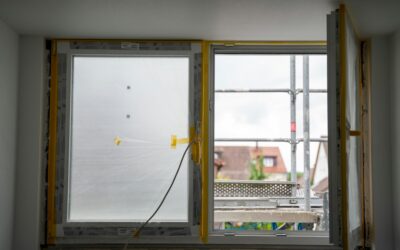
- Full-frame replacement: The entire window including the frame is removed down to the rough opening. More expensive and labor-intensive but necessary if there is rot, water damage, or you are changing window size. It can add $150 to $500 or more per window.
Labor and Regional Cost Differences
Labor typically accounts for $100 to $300 per window and varies by region. High cost-of-living metros run higher, while rural areas run lower. Second-story windows, difficult access, or historic homes with custom sizes add labor. Getting three itemized quotes helps you compare apples to apples and spot inflated pricing, especially from high-pressure sales-driven window companies.
Hidden Costs to Budget For
- Rot or damage repair: If the crew finds rotted framing when they remove old windows, repair adds cost.
- Custom sizes: Non-standard openings cost more than stock sizes.
- Trim and finishing: Interior and exterior trim work, painting, and caulking.
- Permits: Many jurisdictions require permits for window replacement, $50 to $300.
- Disposal: Hauling away old windows.
- Lead paint: Homes built before 1978 may require certified lead-safe practices, adding cost.
How to Save Money Without Cutting Corners
- Replace in bulk. Doing the whole house at once usually earns a better per-window price than one-off jobs.
- Choose stock sizes and vinyl where appearance allows.
- Use insert installation when the existing frames are sound.
- Get multiple quotes and be wary of one-day high-pressure sales tactics that inflate prices.
- Check state and utility rebates for ENERGY STAR windows, since the federal credit ended after 2025.
- Time it for off-season when installers may offer discounts.
Understanding a Window Quote
When quotes arrive, knowing how to read them protects you from overpaying. A good quote itemizes the window units, the glass package, the installation method (insert versus full-frame), labor, trim and finishing, disposal, and permits separately. Vague single-number quotes make it impossible to compare bids or to see where money is going. Ask each company to specify the exact brand, model line, frame material, and glass options, U-factor and Solar Heat Gain Coefficient, so you are comparing equivalent products.
Be especially cautious with high-pressure sales presentations. Some national window companies use lengthy in-home sales pitches, “today only” discounts, and financing that inflate the real price. A price that is only good if you sign tonight is a red flag. Reputable local installers and window dealers will give you a written, itemized quote you can take time to consider. Getting three such quotes, and asking each to match the others’ specs, reveals the true market price and typically saves a substantial amount.
Timing, Warranties, and Financing
A few strategic choices affect your total cost and long-term value. Warranties vary widely: look for a strong manufacturer warranty on the frame and glass seals, often lifetime or 20-plus years on quality vinyl and fiberglass, plus a separate labor warranty from the installer covering the workmanship. A great window installed poorly will leak, so the installation warranty matters as much as the product warranty.
On timing, installers are often busiest in spring and summer, so scheduling in late fall or winter can occasionally yield better pricing and faster scheduling, though you will want mild-weather days for the actual install. If you finance, compare the true cost including interest against paying cash or using a lower-rate home equity option, because promotional financing sometimes bakes a higher price into the window cost. Finally, keep documentation of ENERGY STAR ratings and costs, since state and utility rebate programs usually ask for proof of the product rating and price.
Is It Worth the Investment?
Beyond the immediate cost, new windows deliver ongoing value. They reduce heating and cooling bills, often by 10 to 15 percent for very old single-pane replacements, improve comfort by eliminating drafts, cut outside noise, and boost curb appeal. Replacement windows also recoup a solid share of their cost at resale, generally 60 to 70 percent according to remodeling value surveys. For homes with failing, drafty, or single-pane windows, the payback in comfort and energy savings is substantial.
Prioritizing Which Windows to Replace First
If replacing every window at once strains the budget, a phased approach spreads the cost while capturing the biggest benefits early. Start with the windows that are worst off: those that are drafty, fogged between panes (a sign of failed seals), painted or rusted shut, or single-pane on the sides of the house that face harsh sun and weather. These deliver the greatest comfort and energy improvement per dollar.
Prioritize by exposure and function too. West- and south-facing windows take the most solar heat and weather, so upgrading them first improves comfort noticeably. Large windows in the rooms you use most, the living room and primary bedroom, give the most everyday payoff. Egress windows in bedrooms that no longer operate safely should be high on the list for safety reasons. Doing the house in two or three phases lets you use one contractor’s pricing across visits and keeps each bill manageable while steadily improving the whole home.
Planning Your Window Budget
The average cost of replacement windows depends on choices you control: frame material, window style, glass package, and installation method. Set realistic expectations, most homeowners spend $600 to $1,000 per window for quality mid-range vinyl or fiberglass installed, and budget a contingency for hidden rot or custom sizing. Get three detailed quotes, prioritize energy-efficient ENERGY STAR ratings to qualify for local rebates and lower bills, and match the material to your climate and maintenance appetite. With clear numbers in hand, you can plan a window project that fits your budget and pays you back in comfort and savings for decades.
New Windows Cost by House Size and Project Type
New windows cost roughly $300 to $1,200 each installed for standard replacement units, so the total depends mostly on how many openings the house has. A typical home with 8 to 20 windows lands anywhere from a few thousand dollars for budget vinyl to well over $20,000 for premium frames. Cutting a brand-new opening where no window existed is a separate, costlier project.
Average cost of new windows for a whole house
| Home and window count | Budget vinyl ($300 to $600 each) | Mid-range vinyl or fiberglass ($600 to $1,000 each) |
|---|---|---|
| Small home or condo, about 8 windows | $2,400 to $4,800 | $4,800 to $8,000 |
| Mid-size home, about 12 windows | $3,600 to $7,200 | $7,200 to $12,000 |
| Larger home, about 16 windows | $4,800 to $9,600 | $9,600 to $16,000 |
| Large home, about 20 windows | $6,000 to $12,000 | $12,000 to $20,000 |
Count every operable and fixed unit, including basement and bathroom windows, before multiplying. A bay or bow unit should be priced on its own line since it often costs as much as several standard windows.
Replacement windows vs new construction windows
The average price for new windows changes depending on the type of unit. Replacement windows are built to slide into an existing opening. New construction windows have a nailing fin around the frame and are installed before siding goes on, which makes them standard in additions and new homes. Using a new construction unit in an existing house usually means removing siding or brick around the opening, so labor rises even when the window itself costs about the same.
Adding a window where there was none
Creating a new opening involves more than the window. A crew must cut the wall, frame a header sized for the load, install flashing and the window, then patch siding, drywall and trim. Expect that work to cost several times more than swapping a window into an existing opening, and more again on load-bearing or masonry walls. Most jurisdictions require a permit for a new or enlarged opening, and bedroom windows must meet egress size rules.
- Get the window count and sizes from a site measure, not plans, since older homes often have non-standard openings.
- Ask whether quotes price each opening separately so phases can be compared later.
- Keep extra budget for rot found once old frames come out.