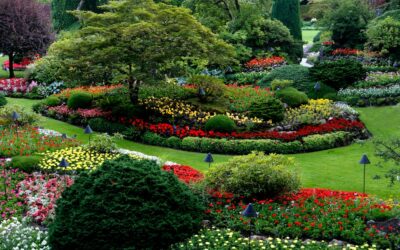
An unplanted fence line is wasted real estate. The best backyard fence line landscaping ideas turn that 3 foot strip along your property edge into the most useful planting area in the yard, providing privacy, year-round color, and shelter for pollinators. Most homeowners default to bare mulch or a few struggling hostas, but with a smarter mix of shrubs, perennials, climbers, and lighting, the same strip can become the visual backbone of the entire backyard.
Part of our Decks & Outdoor guide — explore the full guide →
Plan the Strip Before You Plant
Walk the fence line and note sun exposure, drainage, and soil compaction. A west-facing fence in zone 6 might bake at 95 degrees in July, while the north-facing side stays cool and damp. Use a $15 soil test from your county extension service to learn pH and nutrient levels. Fences placed by builders are usually surrounded by compacted clay, which most flowering shrubs hate.
Decide on a planting depth of at least 36 inches from the fence, ideally 48 inches if you want layered design. That gives shrubs room to mature without crowding the fence boards, which traps moisture and rots wood within a few years. Mark the bed edge with a garden hose, then cut a clean spade edge before bringing in 3 cubic yards of topsoil and compost per 100 linear feet.
Privacy Layers with Evergreens
For year-round screening, plant evergreen shrubs as the back layer against the fence. Green Giant Thuja grows 3 feet per year and tops out at 30 feet, perfect for blocking a neighbor’s second story window. Space them 6 to 8 feet apart and budget about $40 per 5 gallon plant. For smaller yards, Sky Pencil holly only reaches 8 feet tall and 2 feet wide, so you can pack a tight columnar hedge in narrow beds.
Lay drip irrigation along the fence line before planting. A 1/2 inch poly tube with 1 gallon per hour emitters every 18 inches keeps shrubs alive through the first three summers when root systems are still developing. Set the timer for 30 minutes twice a week in summer, less in spring and fall. Once established, most evergreens survive on rainfall except during severe drought.
Flowering Shrubs for Mid Height Layer
Between the evergreens and the lawn, place a row of flowering shrubs at 3 to 5 feet tall. Limelight hydrangea blooms creamy white from July through September and ages to pink, holding its dried blooms through winter. Knock Out roses fill the same height with continuous color from late spring to frost, and they tolerate mediocre soil better than most roses. Expect to pay $25 to $40 per 3 gallon shrub.
For pollinator support, weave in shrub-form butterfly bush, abelia, or caryopteris. These attract bees, hummingbirds, and butterflies without the maintenance demands of pure perennial beds. Always check your state’s invasive plant list before planting butterfly bush, since it is restricted in some Pacific Northwest counties. Switch to native viburnum or itea where butterfly bush is regulated.
Perennials and Ground Covers Up Front
Perennials fill the front of the bed and soften the transition to lawn. Daylilies, catmint, salvia, and Russian sage all thrive in fence-line conditions and bloom across the summer. Plant in clusters of three or five for visual weight, not single-plant dots. A 100 foot fence bed typically uses about 60 perennials in 5 to 7 species, costing $300 to $500 in plant material.
Ground covers fill gaps and suppress weeds between perennials. Creeping thyme, sedum, and ajuga all stay under 6 inches tall and spread by runners. Avoid pachysandra and English ivy along fence lines since they climb the fence and trap moisture against the boards. A 3 inch layer of shredded hardwood mulch over a quality landscape fabric base keeps the bed tidy until plants fill in by year two or three.
Climbing Vines for Vertical Drama
Vines turn a plain wood fence into a living wall. Climbing hydrangea handles shade, Clematis paniculata covers a 6 foot section in two seasons, and native trumpet honeysuckle attracts hummingbirds without becoming invasive like Japanese honeysuckle. Install lattice panels or run 14 gauge wire horizontally every 18 inches up the fence to give vines a structure to grab.
Skip Boston ivy and English ivy on wood fences. Both grow holdfasts that destroy paint, trap moisture, and eventually pull boards apart at the joints. They work fine on masonry walls but ruin wood. For wood fences, choose twining vines that wrap soft tendrils around wire supports, not climbers that attach with sucker pads or aerial roots.
Hardscape Accents and Pathways
Hardscape elements break up long fence lines and add functional zones. A 3 foot wide flagstone path running parallel to the fence gives you easy maintenance access and creates visual rhythm. Use Pennsylvania bluestone at $8 per square foot or budget-friendly concrete pavers at $3 per square foot, set on a 4 inch crushed stone base with polymeric sand swept between joints.
Punctuate the fence line every 20 to 30 feet with a vertical element: a tall ceramic pot, a metal obelisk, a small bench, or a birdbath. These anchor points stop the eye from racing down the fence and create destinations within the backyard. Reclaimed brick column piers on either end of the fence run add architectural permanence and complement Craftsman or Tudor home styles.
Lighting for Evening Use
Low-voltage path lighting along the fence line extends the usefulness of the backyard into evening hours. Volt 12V path lights at $80 to $150 each give 200 to 400 lumens of warm white light over a 6 to 10 foot circle. A 100 foot run typically uses 6 to 8 path lights and a $200 transformer, all controlled by a photocell or smart timer.
Up-light feature shrubs and small trees with spotlights from the front edge of the bed. A 4 watt LED spotlight at 3,000 Kelvin highlights a Japanese maple beautifully without washing it out. Bury 12 gauge low voltage cable 6 inches deep, use waterproof Wago lever-nut connectors at every junction, and test the run before backfilling. Done right, layered fence line landscaping transforms a sunlit backyard into a destination that gets used in every season.