The back fence is the backdrop to your entire yard, yet most people leave it as a bare wall of wood or chain link. With a few thoughtful back fence landscaping ideas, that flat boundary becomes a living feature that adds privacy, color, and the sense of an outdoor room. A well-planted fence line can also raise your home’s curb appeal and screen out an unattractive view next door.
Part of our Decks & Outdoor guide — explore the full guide →
The best part is that fence landscaping works on almost any budget. You can spend a weekend and $100 on climbing vines, or invest in a full layered border that matures into a lush green wall over a few seasons.
- Layer Plants by Height
- Climbing Vines for a Living Wall
- Add Privacy With Tall Screening
- Create a Flower Border Along the Base
- Use Lighting to Extend the Evening
- Plant for Your Sun Exposure
- Add Structure With Containers and Edging
- Incorporate Vertical Garden Features
- Low-Maintenance Options for Busy Homeowners
Layer Plants by Height
The single biggest mistake is lining the fence with one row of identical shrubs. A flat hedge looks monotonous and emphasizes the fence rather than disguising it. Instead, build a layered border in three tiers.
Place tall plants like arborvitae, bamboo, or a trellised vine against the fence, medium shrubs such as hydrangea or boxwood in front, and low perennials or ornamental grasses at the edge of the bed. This stepped arrangement creates depth and makes even a 6-foot fence feel like the back of a garden rather than a barrier.
Climbing Vines for a Living Wall
Nothing softens a fence faster than climbing vines. Attach a wire trellis or wood lattice a couple of inches off the fence to let air circulate, then train vines up the support. Strong performers include:
- Clematis for big, showy blooms in spring and summer
- Climbing hydrangea for shady fence lines
- Star jasmine for fragrance and evergreen coverage in warm zones
- Boston ivy for fast, dense green that turns crimson in fall
Be cautious with truly aggressive climbers like English ivy or trumpet vine on a wood fence. Their roots and weight can damage boards and trap moisture, shortening the fence’s life. Stick to better-behaved species and keep them trimmed off the fence top.
Add Privacy With Tall Screening
If the goal is to block a neighbor’s second-story window or a busy street, build height above the fence with columnar plants. Emerald Green arborvitae grows 3 to 4 feet wide and 12 to 14 feet tall, forming a dense evergreen screen. Clumping bamboo gives a modern look and rapid coverage without the invasive spread of running varieties.
Space arborvitae about 3 feet apart for a solid wall within a few seasons. Expect to pay $30 to $80 per plant for a 3 to 5-foot starter at a garden center, with larger specimens running higher.
Create a Flower Border Along the Base
A planting bed running along the foot of the fence frames the whole yard. Aim for a bed 3 to 4 feet deep so you have room to layer plants and reach the back for maintenance. Edge it with steel edging, brick, or a clean spade-cut trench to keep grass from creeping in.
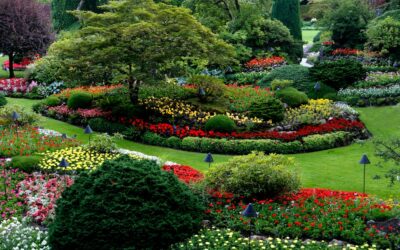
Mix perennials that bloom at different times so the border carries color from spring through fall. Daylilies, coneflowers, black-eyed Susans, and sedum form a low-maintenance combination that returns every year and tolerates a range of soils.
Use Lighting to Extend the Evening
Landscape lighting transforms a fence line after dark and makes the yard usable into the evening. Low-voltage LED spotlights aimed up at a specimen tree or trellis create dramatic shadows on the fence, while a string of warm bistro lights along the top rail sets a relaxed mood for entertaining.
A basic low-voltage kit with a transformer and six to eight fixtures runs $80 to $200 and installs in an afternoon with no electrician required. Solar-powered post caps are an even simpler option for adding gentle glow without running any wire.
Plant for Your Sun Exposure
The biggest predictor of success along a fence is matching plants to the light that wall receives. A fence running east to west often has one hot, sunny side and one shaded side, and forcing the wrong plant into the wrong spot leads to weak growth and constant disappointment. Spend a day noting how many hours of direct sun the bed gets.
For full-sun fence lines (six or more hours), reach for roses, lavender, ornamental grasses, and sun-loving climbers like clematis and climbing roses. For shaded north-facing fences, lean on hostas, ferns, hydrangeas, astilbe, and climbing hydrangea, all of which thrive without direct sun. Grouping plants by their light needs is what separates a lush, thriving border from a patchy one.
Add Structure With Containers and Edging
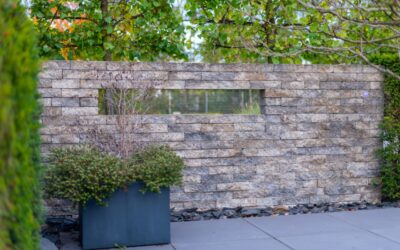
Hard elements give a fence line polish and keep it looking deliberate through every season. A row of matching large planters along the base introduces height and color you can swap out seasonally, and they are perfect for renters who cannot dig permanent beds. Choose frost-proof resin or fiberglass pots at least 18 inches wide so they hold moisture and do not topple in wind.
Clean edging defines the planting bed and stops grass and mulch from migrating. Steel landscape edging gives a crisp modern line, while a row of brick or stone reads more traditional. A 3-inch layer of mulch over the bed locks in moisture, suppresses weeds, and ties the whole fence line together with a finished, cared-for look.
Incorporate Vertical Garden Features
For small yards where bed space is limited, take the garden up the fence itself. Mount a row of hanging planters, a wall-mounted herb garden, or a cedar pocket planter to grow flowers and vegetables vertically. A fence-mounted trellis with potted tomatoes and trailing nasturtiums turns dead vertical space into a productive, colorful display.
Whether you wrap the fence in flowering vines, build a layered border, or screen it with tall evergreens, these back fence landscaping ideas turn the least-used edge of your property into the most beautiful. Start with one section, watch it fill in, and expand from there.
Low-Maintenance Options for Busy Homeowners
Not everyone wants a high-upkeep garden, and a fence line can look polished with almost no fuss. Choose drought-tolerant, slow-growing plants that rarely need pruning or watering once established. Ornamental grasses, boxwood, juniper, sedum, and native perennials thrive on neglect and still deliver year-round structure and texture.
Pair these with a generous mulch layer and drip irrigation on a timer, and the bed practically tends itself. A drip line buried under the mulch delivers water straight to the roots, cutting both your water bill and the time you spend dragging a hose. For homeowners who want the look without the labor, this low-maintenance approach keeps the fence line attractive through every season with just a seasonal cleanup.