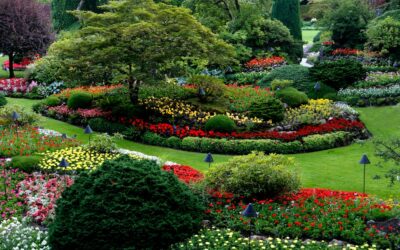
A bare concrete slab surrounded by lawn adds almost no value to a home, but the same patio framed with layered plantings, soft lighting, and defined edges can return 80% of its cost at resale. Thoughtful patio landscaping turns an unfinished surface into an outdoor room, and the work is within reach of any homeowner willing to spend a weekend or two. This guide covers layout, plant selection, hardscape edging, and the budget to get it done.
Part of our Decks & Outdoor guide — explore the full guide →
Start With the Zones
Divide the patio perimeter into three concentric zones. Zone one is the 6-inch strip directly against the patio edge, where you want groundcovers or low mounding plants under 12 inches. Zone two runs 2 to 4 feet out and holds midsize shrubs or ornamental grasses reaching 2 to 4 feet tall. Zone three extends beyond that with larger anchors like small trees, trellises, or statement planters.
Sketch the zones on graph paper at a scale of 1 inch per foot before buying anything. Most homeowners underestimate the space a mature shrub fills, and overcrowding kills plants within two seasons.
Plant Picks by Sun Exposure
For full sun (6+ hours), lavender Munstead, Russian sage, creeping thyme, black-eyed Susan, and ornamental fountain grass handle heat without constant watering. All five cost $6 to $14 per one-gallon pot at big-box nurseries.
Part shade patios work with hosta Patriot, astilbe, coral bells, and Japanese forest grass. Deep shade favors ferns, hellebores, and Solomon’s seal. Match the plant tag light requirement to actual conditions measured with a cheap meter ($12), not your gut estimate.
Edging and Borders
A crisp edge separates lawn from planting beds and prevents grass runners from invading. Steel landscape edging at $2.50 per linear foot lasts 20+ years and installs with a rubber mallet. Cheaper poly edging runs $1 per foot but frost-heaves within 5 years.
For a chunkier look, dry-stacked flagstone borders at $6 to $10 per square foot add texture and double as impromptu seating. Belgian block or recycled brick courses laid in mortar offer a formal finish at $8 to $15 per linear foot.
Mulch and Ground Cover Choices
Shredded hardwood mulch at $4 per 2-cubic-foot bag looks natural and decomposes into soil amendment over 2 to 3 years. Dark brown or black dyed mulch hides weeds better but fades by late summer.
For a cleaner, low-maintenance look, use 3/8-inch pea gravel ($6 per bag) over landscape fabric. Layer 2 to 3 inches deep. River rock in 1 to 2-inch sizes gives a chunkier texture at $8 per bag but shows every cigarette butt and leaf.
Container Plantings for Flexibility
Three oversized containers, 20 to 28 inches in diameter, anchor patio corners better than six small pots scattered around. Use the thriller-filler-spiller formula: one tall central plant, three to five medium mounders, and two trailing edges.
Frost-proof fiberglass or concrete planters cost $80 to $300 each but survive freeze-thaw cycles. Skip terracotta in climates below 20°F unless you plan to garage them each winter. Self-watering inserts like the Lechuza system reduce summer watering from daily to weekly.
Low-Voltage Lighting Layout
A basic 12-volt lighting kit powers 8 to 12 fixtures from a $60 transformer. Place path lights every 8 to 10 feet along walkways, uplights at the base of feature trees, and wash lights in planting beds aimed at the house wall for reflected glow.
LED bulbs draw 2 to 4 watts each and last 25,000 hours. Warm white at 2700K flatters skin tones and foliage; avoid cool white over 4000K, which looks industrial outdoors. Bury the low-voltage wire 3 to 4 inches deep to keep it out of aerator tines.
Privacy and Vertical Elements
For screening a neighbor’s view, plant a row of columnar arborvitae Green Giant spaced 5 to 6 feet apart. Each one grows 3 feet annually and reaches 20 feet within 7 years. Expect $40 per 4-foot plant.
Faster privacy comes from a freestanding lattice panel or horizontal slat fence (6 feet tall, $25 per linear foot installed) with a climbing clematis or honeysuckle trained through it. Pergolas draped with wisteria create a shaded ceiling and add architectural weight to a flat patio slab.
Budget and Phasing
A 300-square-foot patio perimeter landscaped end to end costs $1,500 to $4,500 DIY, including edging, 15 to 25 plants, 3 yards of mulch, and basic lighting. Professional installs triple that figure to $4,500 to $14,000.
Phase the work if cash is tight. Year one: edging, bed prep, mulch, and three anchor shrubs. Year two: fill with perennials and add lighting. Year three: containers, screening, and final tweaks. Plants spread and fill gaps you leave deliberately, which saves money and looks more natural.
Year-Round Interest Planning
A patio that only looks good in May feels empty for the other 11 months. Build in four-season structure by choosing at least one plant per category: spring bloomer (creeping phlox, candytuft), summer anchor (daylily, coneflower), fall color (Japanese anemone, burning bush), and winter interest (red-twig dogwood, ornamental grasses that hold seedheads through January).
Evergreen backbone plants keep the bed from looking skeletal in February. Dwarf boxwood at 2 to 3 feet, compact hollies, and mugo pine add green mass year-round. Aim for roughly 30% evergreens to 70% deciduous and perennials for the best balance of structure and seasonal drama.
Irrigation and Watering Systems
Drip irrigation cuts patio-perimeter water use by 60% compared to overhead sprinklers. A basic kit from Rain Bird or DIG ($80 to $150) covers 300 square feet with 1/4-inch drip line, emitters, and a battery-operated timer. Run drip 30 to 45 minutes every 2 to 3 days through summer, which delivers 1 to 1.5 inches of water to root zones without wetting foliage.
Install the timer at a hose bib with a Y-splitter so you can still use the faucet for other tasks. Wrap exposed backflow preventers and timers with foam pipe insulation before the first freeze; replacements cost $40 to $90 each and freeze damage voids most manufacturer warranties. Blow out drip lines in fall with a small compressor set to 25 psi or less to prevent split tubing in zones 6 and colder.