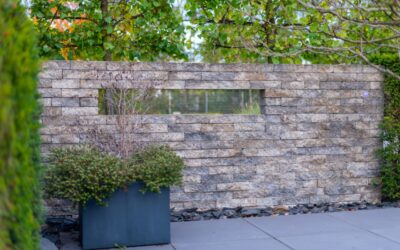
A well-executed patio landscaping design turns an ordinary slab of concrete into the most-used room of your home for half the year. The best outdoor spaces don’t happen by accident; they come from thinking about how the patio connects to the house, how people move through it, and how plantings soften the hard edges. After designing and installing dozens of backyard patios, I’ve learned that the difference between a patio that gets used daily and one that sits empty usually comes down to planning, not budget.
Part of our Decks & Outdoor guide — explore the full guide →
This guide walks through the decisions that matter most, from laying out zones and choosing materials to selecting plants, layering lighting, and handling drainage. Whether you’re refreshing an existing patio or starting with bare ground, thinking through these elements up front saves you from expensive do-overs later.
Start With How You’ll Use the Space
Before you pick a single paver or plant, decide what the patio is for. A dining patio needs a flat, generous area sized for a table plus chairs pulled out, which usually means at least 12 by 12 feet for a six-seat table. A lounge area for conversation wants a tighter, more intimate footprint anchored by a fire feature. A cook’s patio revolves around the grill or outdoor kitchen with counter space and clearance to work. Most successful designs blend two or three of these zones rather than trying to make one area do everything.
Mapping these zones on paper, or even with a garden hose laid out on the ground, reveals problems you’d otherwise discover after the concrete cures. Walk the layout. Sit where the chairs will go. Notice where the afternoon sun hits and where you’d want shade. This kind of full-scale mock-up is the single most valuable step in patio landscaping design, and it costs nothing but an afternoon.
Think about circulation too. People should be able to move from the back door to the patio and around the furniture without squeezing past a planter or stepping off the paving. Leaving generous walking paths, roughly three feet wide, keeps the space feeling relaxed rather than cramped once the furniture and pots are in place.
Choosing Patio Materials That Fit Your Home
The paving material sets the entire tone. Poured concrete is economical and clean-lined but can read as stark unless you add texture or a stain. Concrete pavers offer endless patterns and easy repairs since you can lift and replace a single unit. Natural stone like flagstone or bluestone brings unmatched character and ages beautifully, though it costs more and demands careful setting. Brick delivers a timeless, warm look that suits traditional homes especially well.
Match the material to your home’s architecture and, ideally, to the flooring language inside. I often tell clients to carry an interior cue outdoors, echoing a warm wood-toned porcelain floor with warm-toned pavers, for instance, so the transition from indoors to out feels intentional rather than abrupt. Large-format porcelain pavers rated for exterior use have become popular precisely because they bridge that indoor-outdoor gap while shrugging off freeze-thaw cycles and stains.
Whatever you choose, consider the finish underfoot. Smooth surfaces look sleek but get slippery when wet, while textured or tumbled surfaces provide grip near pools and in rainy climates. Comfort matters too: light-colored paving stays cooler under bare feet in hot sun, which is worth remembering if your patio bakes in full afternoon exposure.
Budget realistically for the material you fall for. Concrete and standard pavers sit at the affordable end, natural stone lands in the middle to upper range once you factor in the skilled labor to set it, and premium porcelain or intricate cut-stone patterns climb higher still. A common approach is to spend more on the paving directly around the seating and dining zones, where you’ll feel it underfoot every day, and use a simpler material or gravel for secondary paths and edges where appearance matters less.
Layering Plants Around the Patio
Plants are what make a patio feel alive rather than like a parking pad. The most effective plantings work in layers: taller trees or large shrubs to define the edges and provide shade, mid-height perennials and grasses to add movement and color, and low groundcovers or border plants to soften the transition where paving meets soil. This layered approach creates a sense of enclosure that makes an outdoor room feel cozy and finished.
Position larger plantings thoughtfully. A well-placed small tree on the southwest side casts afternoon shade exactly when the patio would otherwise be too hot. Evergreen shrubs along a property line give year-round privacy, while a mix of flowering perennials keeps color rotating through the seasons. Container plantings are the secret weapon of patio landscaping design, letting you add greenery directly on the paving, rearrange it seasonally, and frame entries or seating without digging.
Choose plants suited to your climate and the patio’s specific sun exposure, and favor lower-maintenance species near seating so you’re not constantly deadheading or sweeping fallen debris off the furniture. Fragrant plants like lavender or jasmine near a lounge zone reward you every time you sit down, engaging the senses beyond just the visual.
Be strategic about what you plant right against the paving. Trees with aggressive roots or heavy fruit drop can lift pavers and stain the surface, so keep those well back and reserve the immediate patio edge for tidy, well-behaved perennials, ornamental grasses, and compact shrubs. A narrow planting bed or a run of matched containers along one side of the patio does a remarkable amount of visual work, blurring the hard line between built surface and garden while staying easy to maintain.
Lighting to Extend the Evening
Good lighting doubles the hours you’ll actually use a patio. The goal is layered, low-level illumination rather than one harsh floodlight that flattens everything and blinds your guests. Think in terms of three roles: path lights for safe movement, accent lights to highlight a specimen plant or wall, and ambient lighting like string lights overhead or lanterns on the table for a warm glow that invites people to linger.
Low-voltage LED systems have made patio lighting far more approachable, drawing little power and running cool to the touch. Warm color temperatures in the 2,700 Kelvin range flatter both people and plantings, while cooler light tends to feel clinical outdoors. Placing fixtures low and shielding the bulbs from direct view prevents glare and creates the soft, restaurant-like atmosphere that makes an evening on the patio feel special.
Don’t overlook the practical safety angle. Steps, grade changes, and the edges of the paving should always be gently lit so no one takes a spill in the dark. A few well-aimed fixtures on stairs and along the main walking path handle safety and ambiance at the same time.
Drainage, Grading, and the Details That Last
The least glamorous part of patio landscaping design is also the most important for longevity: water management. A patio must slope away from the house, typically about a quarter inch of fall per foot, so rain sheds toward the yard instead of pooling against your foundation. Standing water not only ruins an evening outdoors but can undermine paving and, worse, seep toward your home’s footing over time.
Under the paving, a properly compacted gravel base and, in many cases, a bedding layer of sand or stone dust keep pavers from heaving and settling unevenly. Skimping on the base is the number one reason patios go wavy within a few years. In areas with heavy runoff, permeable pavers or a discreet French drain along the low edge carry water away without visible ditches, protecting both the patio and the plantings around it.
Finally, plan for the maintenance realities. Choose edging that keeps mulch and gravel from migrating onto the paving, seal natural stone if your climate demands it, and leave access to any irrigation lines or lighting transformers. Getting these unglamorous details right is what separates a patio that still looks sharp in ten years from one that needs tearing out. Nail the foundation and the finishes will keep rewarding you season after season.