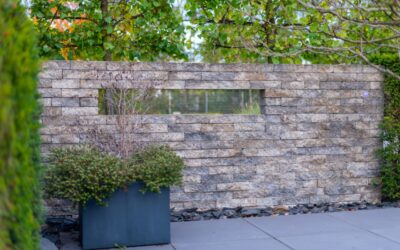
A newly installed paver patio can look surprisingly stark, a clean rectangle of stone marooned in the yard with hard edges and no softness. The finishing touch that makes it feel like a destination rather than a slab is the greenery and hardscape around it. Thoughtful landscaping around paver patio spaces blurs the line between the patio and the yard, softens those crisp edges with plants, and turns an outdoor floor into an inviting room. The best designs layer plantings, borders, and lighting so the patio feels intentional from every angle.
Part of our Decks & Outdoor guide — explore the full guide →
Here are the design moves that work, the right plants to choose, and the practical details, like drainage, that protect your investment.
- Soften the Edges With Border Plantings
- Add Height and Layers
- Create a Defined Planting Bed or Border
- Choose Low-Maintenance, Climate-Appropriate Plants
- Mind the Drainage
- Layer in Lighting and Finishing Touches
- Adding Privacy and Screening
- Low-Maintenance Ground Transitions
- Frequently Asked Questions
Soften the Edges With Border Plantings
The fastest way to integrate a patio is to plant along its perimeter. A border bed of low, mounding plants breaks up the straight lines and creates a gentle transition from stone to lawn or garden. Good edge plants stay compact so they do not sprawl across the pavers.
- Boxwood or dwarf shrubs for structured, year-round green
- Ornamental grasses like blue fescue or dwarf fountain grass for movement
- Lavender, catmint, or Russian sage for color, fragrance, and pollinators
- Creeping thyme or sedum tucked into border gaps to spill softly over the edge
Leave a few inches between the plant crowns and the pavers so foliage does not trap moisture against the stone or drop debris that stains it.
Add Height and Layers
A patio ringed only by low plants can feel flat. Build layers by mixing heights: taller plantings at the back or corners, mid-height shrubs and grasses in the middle, and low groundcovers at the edge. Tall, narrow trees such as arborvitae or columnar hornbeam add privacy and a green backdrop without eating into usable space. A single specimen tree like a Japanese maple near a corner gives dappled shade and a focal point. In tight yards, use large planters and container gardens to add height and greenery right on the patio itself, which also lets you change the look seasonally.
Create a Defined Planting Bed or Border
Consider building a raised planting bed or a defined border that echoes the patio material. A low seat wall or a course of matching pavers or wall block around a planting area ties the hardscape together and doubles as extra seating. Steel or aluminum edging keeps mulch and soil from washing onto the pavers and gives a crisp line. Fill beds with a mix of evergreen structure and seasonal perennials so there is always something green, with bursts of bloom through the warm months.
Choose Low-Maintenance, Climate-Appropriate Plants
Since the point is to enjoy the patio, not weed around it constantly, favor plants suited to your USDA hardiness zone and your sun exposure. Drought-tolerant, low-care choices like ornamental grasses, sedum, coneflower, black-eyed Susan, and native perennials thrive with little fuss. In hot, dry regions, xeriscape plants such as agave, yucca, and lavender pair beautifully with pavers. In shade, hostas, ferns, and hydrangeas fill beds along a shaded patio edge. Group plants with similar water needs together so irrigation stays simple, and mulch beds 2 to 3 inches deep to hold moisture and block weeds.
Mind the Drainage
Landscaping is not only about looks; it protects the patio. Pavers should slope away from the house at about 1/4 inch per foot so water runs off, and your surrounding grading should carry that water into planting beds or the lawn, never pool against the patio base. When adding beds, do not build soil up higher than the pavers where it will wash grit onto the surface. If the patio sits at a low point, a gravel French drain or a dry creek bed of river rock along one edge doubles as an attractive feature while moving water away. Healthy drainage prevents the base from shifting and the joints from eroding.
Layer in Lighting and Finishing Touches
Lighting extends the patio into the evening and highlights the plantings. Low-voltage path lights along a border, uplights on a specimen tree, and string lights overhead all add warmth. Solar fixtures tucked into beds require no wiring, while a hardwired low-voltage system gives more control; any 120-volt wiring should go to a licensed electrician. Finish the look with a few purposeful elements: a container grouping by the seating area, a gravel or mulch transition strip between pavers and lawn to make mowing easier, and perhaps a small water feature for sound. These touches turn a bare patio into an outdoor room you actually want to spend evenings in.
Adding Privacy and Screening
An exposed patio that neighbors can see straight into never feels relaxing, so screening is often the most valuable landscaping move. Tall, narrow evergreens like Emerald Green arborvitae planted in a row create a living privacy wall within a season or two. For faster or more flexible screening, large planters holding clumping bamboo, columnar boxwood, or tall grasses can be positioned exactly where you want to block a sightline and moved as needed. A trellis or pergola panel draped with a climbing vine such as clematis or climbing hydrangea adds vertical greenery and privacy while doubling as a design feature. Layering screening plants at varied heights looks more natural than a single stiff hedge and gives the patio a sense of enclosure.
Low-Maintenance Ground Transitions
The strip where the pavers meet the rest of the yard is worth planning carefully, because a messy transition undercuts an otherwise tidy patio. A band of decorative gravel or river rock between the pavers and a planting bed creates a clean, mow-free edge that also improves drainage. Groundcovers like creeping thyme, dwarf mondo grass, or sedum planted right at the border spill softly over the paver edge and knit the hardscape into the landscape. If the patio abuts a lawn, a steel or paver mowing strip lets you run the mower wheel along it without scalping the grass or bumping the pavers. These small transition details are what separate a patio that looks professionally landscaped from one that looks like a slab dropped into the yard, and most of them require very little ongoing upkeep once established.
Frequently Asked Questions
What should I plant around a paver patio?
Use low, mounding border plants like boxwood, ornamental grasses, lavender, and creeping thyme to soften the edges, then layer in taller shrubs or a small tree for height. Choose species suited to your hardiness zone and sun exposure.
How do I keep plants from damaging the pavers?
Leave a few inches between plant crowns and the paver edge so foliage does not trap moisture or drop staining debris. Use metal edging to keep soil and mulch off the stone, and avoid aggressive-rooted plants right at the border.
How do I handle drainage around a paver patio?
Keep the patio sloped away from the house at about 1/4 inch per foot and grade surrounding beds so water flows away, not against the patio base. A gravel French drain or river-rock dry creek bed can move water while looking attractive.
What are the best low-maintenance plants for a patio border?
Drought-tolerant, native, and ornamental options like sedum, coneflower, black-eyed Susan, ornamental grasses, and lavender need little care. Group plants with similar water needs and mulch beds 2 to 3 inches deep to cut down on weeding.
Can I add planters directly on the patio?
Yes. Large containers add height, greenery, and seasonal flexibility without cutting into planting beds, and they are ideal for small yards. Use pot feet or saucers to prevent water stains on the pavers underneath.