A well-planned bar cabinet holds 18-24 bottles, 12-16 rocks glasses, 6-8 wine glasses, a cocktail kit, and ice tools in under 10 cubic feet. Great bar cabinet ideas are not about size but about how hard each inch works. A $200 secondhand china cabinet properly retrofitted with bottle risers, brass hardware, and stemware racks outperforms a $1,500 big-box bar unit that stores bottles on one open shelf and calls it a day. This guide walks through seven bar cabinet directions for different budgets, spaces, and entertaining styles.
Part of our Kitchen Remodeling guide — explore the full guide →
Repurposed Vintage China Cabinet
Thrift stores and estate sales sell 1960s-1980s china cabinets for $150-$400 that already have the perfect footprint for a bar: lighted glass upper section, enclosed lower section, 60-72 inches tall. Swap the interior wood shelves for two tempered glass shelves ($25 each from a local glass shop), add a strip of LED puck lights on a dimmer, and upgrade the hardware to unlacquered brass pulls at $8-$15 each.
Paint the exterior in Benjamin Moore Hale Navy, Sherwin-Williams Iron Ore, or a deep emerald like Backwoods. Dark colors make the glassware pop against the interior. Total project cost: $300-$550 for a bar cabinet that reads custom.
Built-In Niche Bar
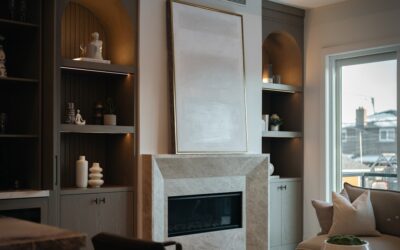
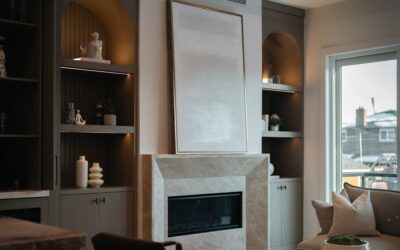
Converting a 24-inch-deep closet, a former linen cabinet, or a wasted wall niche into a built-in bar delivers the biggest design payoff per dollar. A 32-inch-wide by 24-deep by 84-tall built-in bar costs $800-$1,500 in materials with shop-built cabinetry or $1,800-$3,000 with stock cabinets plus custom trim.
Key features for a niche bar: a stone or butcher block countertop at 42 inches to match typical bar height, a mirrored or papered back for depth, integrated lighting under the upper shelf, and adequate outlets for a wine fridge or ice maker below the counter.
Floating Bar Shelf Plus Base Cabinet
If you cannot commit to a full cabinet, two floating shelves above a short base cabinet deliver the same function in a smaller footprint. Install IKEA Besta, KALLAX, or a 36-inch base kitchen cabinet from a local shop, top it with a walnut or marble slab, and mount two floating shelves above at 16 inches and 28 inches.
Total investment runs $350-$700 depending on cabinet quality and countertop material. This approach excels when you want adjustable shelving that changes as your collection grows, and it opens up well visually in smaller rooms.
Mid-Century Credenza Conversion
Teak and rosewood credenzas from the 1950s-70s work beautifully as bars. The slim legs, sliding doors, and warm wood tones complement most interior styles, and the 60-72 inch length provides serving surface plus interior storage.
Quality vintage credenzas run $400-$1,200 on Facebook Marketplace, Chairish, or estate sales. Refinishing the top with Danish oil restores the luster, and adding a rattan or cane detail to the doors (if not original) modernizes the look. Line the interior with adhesive felt or wood-grain contact paper to protect against bottle scratches.
Storage Layout That Actually Works
Most off-the-shelf bar cabinets waste half their interior volume because the shelves do not accommodate bottle heights. A properly laid-out bar cabinet has four distinct zones:
- Bottle storage: 13-14 inches vertical clearance for 750 ml spirits, 15-17 inches for magnum wines. Never under 12 inches.
- Stemware: Under-shelf hanging rack at 10 inches clearance for wine and Champagne flutes.
- Rocks glasses and tumblers: 5 inches shelf clearance, sized for 3 across in a 36-inch cabinet.
- Tools and accessories: Drawer or small compartment for jigger, strainer, bar spoon, muddler, bottle opener, and cocktail napkins.
Adding a pull-out serving tray at counter height transforms a cabinet into a functional workstation for mixing drinks in front of guests.
Lighting Details That Elevate Any Bar
Lighting separates a competent bar cabinet from a great one. Three lighting moves that cost under $100 combined:
- LED puck lights under each upper shelf: Daybetter 6-pack at $22 on Amazon. Hard-wire to a dimmer switch or plug-in driver.
- Linear LED strip behind the back panel: Govee or Philips Hue Lightstrip at $35-$60. Color-changing for evening entertaining.
- Picture light above the cabinet: House of Troy or Hudson Valley at $120-$250. Dramatic accent for artwork or a mirror.
Dim the ambient room lights and switch on just the bar lighting during cocktail hour for a dramatic effect that guests always notice.
Integrated Appliances
Serious home bars benefit from one or two integrated appliances. Popular options and typical prices:
- 15-inch undercounter wine fridge (EdgeStar, NewAir): $450-$900. Holds 28-34 bottles.
- Nugget ice maker (GE Profile Opal 2.0): $550. Produces chewable ice for cocktails, sodas, and iced tea.
- Beverage center (KitchenAid, Sub-Zero): $1,500-$4,500. Combines wine storage with can and bottle space.
- Under-counter bar sink with gooseneck faucet: $350-$700 plumbed in.
Plan electrical and plumbing during the framing stage if possible. Running a dedicated 20-amp circuit to the bar area costs $150-$300 if the wall is open but $500-$1,000 in a finished space.
Finishing Touches That Signal Care
Three small details separate a functional bar from a beautiful one. Use proper bottle risers to stair-step labels into view rather than lining everything flat on a shelf. Display a few well-chosen vintage bar tools (a brass shaker, an antique jigger) alongside the daily-use pieces. Keep cocktail books like The Joy of Mixology or Death & Co integrated into the styling rather than hidden away.
Group bottles by type rather than height: clear spirits in one section, whiskey in another, liqueurs together. Rotate seasonal cocktails by swapping in bitters, syrups, and citrus as featured items. A bar cabinet that feels alive communicates that the host actually uses it, which is the point.
Where to Place a Bar Cabinet
Location matters almost as much as the cabinet itself. Dining rooms, living rooms adjacent to the kitchen, and finished basement rec rooms work best because they flow naturally with entertaining. Avoid placing a bar cabinet in a formal entry where it becomes a dust-collector, or in a home office where alcohol next to work creates problematic associations.
Height placement of mounted pieces matters too. A cabinet against a wall reads best when the counter surface sits at 42 inches, which matches pub-height tables and feels natural when standing. Floating bar shelves start at 16 inches above the countertop so glassware storage does not block the serving surface. Measure carefully against actual use rather than eyeballing during install.