A basement is one of the most underused spaces in many homes, and turning a single wall into a built-in bar instantly gives the room a purpose. Smart basement wall bar ideas let you carve out an entertaining zone without sacrificing square footage or blocking traffic flow. Whether you have a finished walkout or a partially renovated cellar, a wall-mounted bar setup works because it hugs the perimeter and keeps the floor open for seating, a pool table, or a media area.
This guide walks through layout strategies, material choices, storage, lighting, and budgets so you can plan a setup that fits your space and how you actually use it.
Why a Wall Bar Works in a Basement
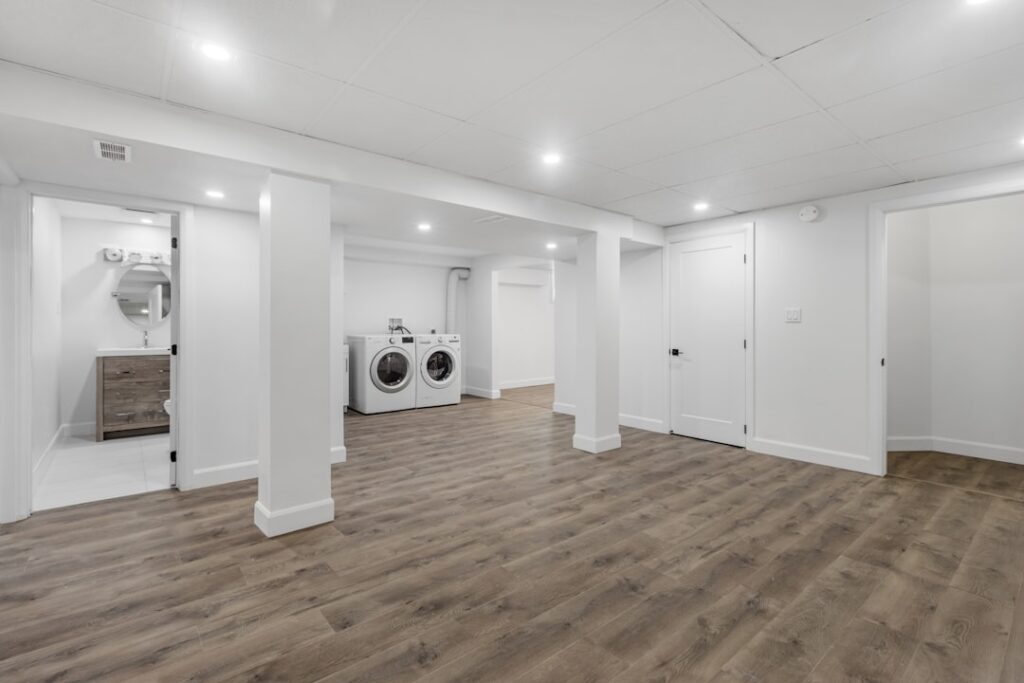
Basements rarely have ideal proportions. Ceilings can sit at 7 feet, support posts interrupt the floor, and windows are small or absent. A wall-based bar embraces those limits instead of fighting them. By pushing the entire bar against one wall, you free up the center of the room and avoid the boxed-in feeling that a full island bar creates in a low-ceiling space.
A typical wall bar runs 6 to 10 feet long and projects only 18 to 25 inches into the room. That shallow footprint means you can still walk comfortably behind seated guests. If your basement is just 11 feet wide, a 22-inch-deep bar plus 30 inches of stool clearance still leaves a usable walkway.
Floating Shelf and Open-Wall Bars
The simplest and cheapest approach skips lower cabinets entirely. Mount two or three floating shelves on a feature wall, add a slim console table or a 12-inch-deep counter beneath, and you have an instant bar. Painted shelves run $40 to $90 each, and the whole project can land under $400 if you already own a small cabinet for the base.
To make open shelving look intentional rather than cluttered, follow a few rules:
- Group bottles by height and leave 30 to 40 percent of each shelf empty.
- Add a backlit strip or puck lights so glassware glows.
- Use a tray to corral mixers, bitters, and bar tools.
- Hang a single piece of art or a framed mirror to anchor the wall.
Built-In Wet Bar Ideas
If you want running water and a sink, you are building a wet bar, which raises both the value and the cost. Plumbing a small bar sink usually runs $1,000 to $2,500 depending on how far the supply and drain lines must travel. Basements near a main stack make this far cheaper, so plan the bar location around existing plumbing when possible.
A practical wet bar layout includes a 15- to 18-inch bar sink, 24 inches of counter on each side, and a small undercounter refrigerator. Quartz or laminate counters resist water and standing condensation better than untreated wood. If you love the warmth of a wood top, seal it with a marine-grade finish and keep a tray under any wet glasses.
Dry Bar and Beverage Station Setups
Most homeowners are better served by a dry bar, which skips plumbing and focuses on storage and display. A dry bar can include a wine fridge, a kegerator, or a beverage cooler instead of a sink. Because there is no plumbing, you can place it anywhere and build it for a fraction of a wet bar’s cost, often $800 to $2,500 including a beverage fridge.
Stock Cabinet Base
Buying two or three 36-inch base cabinets from a home center and topping them with a continuous counter gives you a polished look for $1,200 to $3,000. Add a stock wall cabinet above for glassware, and finish the gap between with a tile or shiplap backsplash.
Repurposed Furniture
An old buffet, dresser, or credenza becomes a bar with paint and new hardware. This is the most budget-friendly route and adds character that flat-pack cabinets lack.
Backsplash and Wall Treatment Ideas
The wall behind the bar is your chance to add personality. Because the area is small, you can splurge on materials you would never use across a whole room. Popular choices include:
- Subway or penny tile: classic, easy to wipe down, and $5 to $15 per square foot.
- Reclaimed wood or shiplap: adds warmth and hides minor wall flaws.
- Brick veneer: gives a pub feel; thin panels install over drywall.
- Mirror panels: bounce light and make a windowless basement feel larger.
Whatever you pick, run it from the counter up to the bottom of the upper cabinets or shelves so it reads as a finished band rather than a random patch.
Lighting and Electrical
Lighting separates a thrown-together corner from a designed bar. Aim for three layers. Recessed cans or a small pendant provide overhead light, under-cabinet LED strips wash the counter, and shelf lighting highlights the display. Put the accent lighting on a dimmer so you can drop it to a soft glow for evening gatherings.
Plan electrical early. You will want at least two outlets along the counter for a blender, a warming tray, or charging phones, plus a dedicated circuit if you add a wine fridge and a kegerator. Hire a licensed electrician if you are adding circuits to a panel; permits typically cost $50 to $200 and protect your insurance coverage.
Seating and Finishing Touches
Counter-height stools sit best with a 42-inch bar top, while standard 36-inch counters take counter stools with a 24- to 26-inch seat. Leave 26 to 30 inches of width per stool so guests are not bumping elbows. Backless stools tuck fully under the counter and keep walkways clear in tight basements.
Finish the space with a small sound system, a TV mounted at one end, and a rug to define the zone and soften concrete acoustics. A few personal touches, such as framed concert posters or a neon sign, turn a generic counter into a room people want to gather in.
Putting It All Together
Start by measuring your wall and marking traffic paths, then decide between a dry bar and a wet bar based on your plumbing access and budget. Choose a base, whether floating shelves, stock cabinets, or repurposed furniture, and layer in a standout backsplash and good lighting. With a clear plan, even a $500 weekend project can transform an idle basement wall into the most-used corner of your home, and these basement wall bar ideas give you a flexible starting point for any budget.