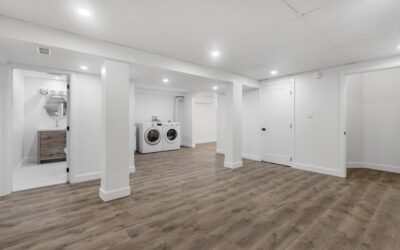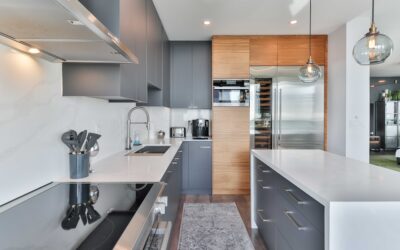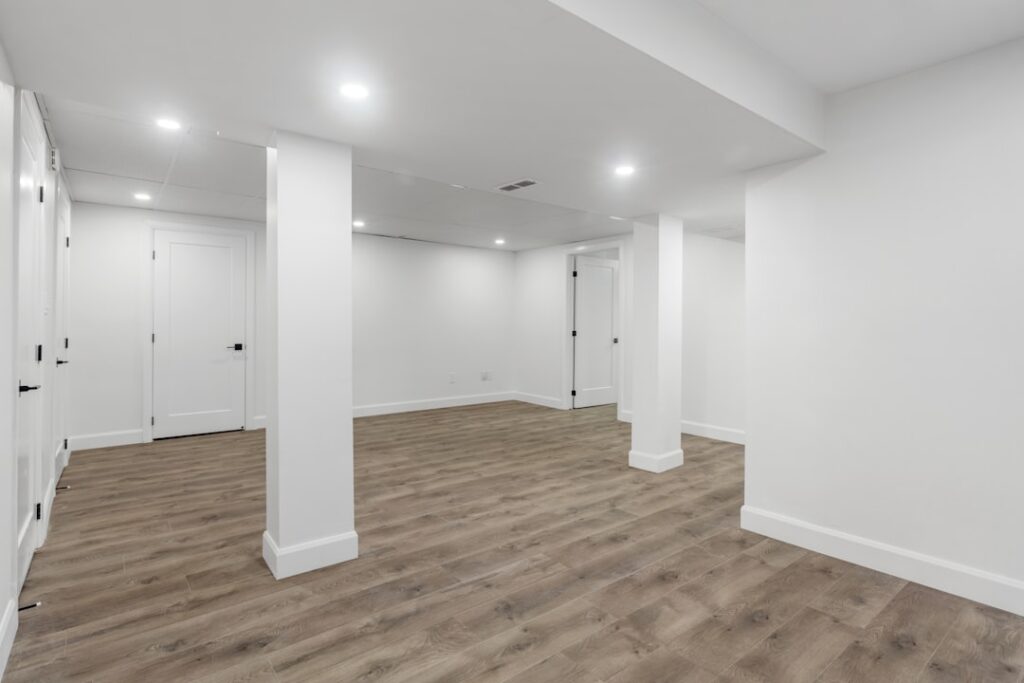
A finished basement with a dedicated bar adds 5 to 10 percent to home value in the right zip codes, and it transforms a barely-used lower level into the space your friends actually gravitate toward. Cool basement bar ideas range from a $1,500 IKEA-based weekend build to a $25,000 custom installation with stone-face kickbacks and dual-tap kegerators. Match your budget to the use case, and do not skip the three details that separate a bar that gets used from one that gathers dust: seating, plumbing, and lighting.
Wet Bar vs. Dry Bar
A dry bar has no plumbing: just a counter, storage, and maybe a small beverage fridge. It installs anywhere there is a 120-volt outlet nearby and keeps costs under $3,000 for most DIY builds. Perfect for households that entertain occasionally and want the look without the infrastructure.
A wet bar adds a sink, running water, and sometimes a dedicated ice maker or dishwasher. Plumbing rough-in runs $1,500 to $4,000 depending on how far the basement is from existing drain lines. Full wet bars with sinks, ice makers, and dedicated appliances hit $8,000 to $25,000 installed. The added convenience is worth it if you host more than once a month.
Layout Configurations That Work
Straight bars along a wall require 24 inches of counter depth plus 36 inches of bartender clearance behind, total 60 inches from wall to customer side. Works in spaces as narrow as 6 feet wide and as long as your wall allows. A 10-foot straight bar seats 4 to 5 guests comfortably on stools.
L-shaped bars wrap a corner, giving more counter length without consuming as much floor area. The inside L provides a natural return for the bartender’s prep surface while the outside L serves guests. Good for rooms 12 by 12 feet and larger.
U-shaped bars completely enclose the bartender’s area. They work in rooms at least 14 by 14 feet and turn the bar into a social hub where seating runs around three sides. The most dramatic option visually but also the most expensive to build due to the longer run of counter and cabinetry.
Counter Material Options
Butcher block at $10 to $30 per square foot is the budget-friendly option and looks great with industrial or rustic decor. Seal with food-grade mineral oil every 3 to 6 months. Expect minor dents and stains over years of use, which many owners consider character rather than damage.
Quartz at $55 to $120 per square foot installed is the low-maintenance premium pick. Brands like Caesarstone, Silestone, and Cambria all offer stain-proof, non-porous surfaces that handle red wine and citrus without sealing. Quartz also takes a live edge if you want an organic look in an otherwise modern bar.
Concrete countertops at $65 to $135 per square foot deliver custom colors and shapes. A 10-foot integrated concrete bar top with a built-in drink rail and bottle opener runs $3,500 to $5,000. Seal concrete with a food-safe wax-acrylic blend and expect minor hairline cracking within a few years (accepted as character in concrete applications).
Bar Front and Back Bar
The bar front is the visible face guests see. Reclaimed barn wood, tongue-and-groove paneling, stone veneer, and painted shiplap all work. A 10-foot bar front in reclaimed oak runs $400 to $900 in materials. Stone veneer like dry-stack ledgestone at $12 to $20 per square foot installed creates a substantial, textured wall that reads upscale.
The back bar holds glassware and bottles. Open shelving shows off a nice liquor collection; closed cabinetry with glass doors keeps dust out. Backlit bottle displays using LED strip lighting behind frosted glass shelves are a signature feature of cool basement bars. Expect to spend $200 to $600 on the LED system and glass shelving for a 6 to 8-foot back bar.
Appliances Worth Including
A 24-inch undercounter beverage fridge holds 120 to 160 cans or a mix of beer, wine, and mixers. Good models include the EdgeStar CBR1502SG at $550 and the NewAir ABR-1770BC at $700. These replace the traditional fridge-by-the-stools layout with a cleaner built-in look.
A kegerator adds instant pub atmosphere. The Kegco HBK309B-1 at $900 holds a full-size half-barrel keg. Dual-tap models run $1,200 to $2,000. Budget for periodic keg hookup ($20 fee at most distributors), and plan 24 inches of floor-level width and a CO2 tank storage spot.
An ice maker like the GE Profile Opal 2.0 at $600 makes restaurant-style pellet ice that holds up better in cocktails than traditional cubes. Plumb in the water line during the wet-bar rough-in phase or use the Opal’s reservoir mode for DIY flexibility.
Seating and Stool Selection
Bar stools sit at 30-inch seat height for standard 42-inch counters or 24-inch seat height for 36-inch counter bars. A 10-foot bar fits 4 stools comfortably with elbow room, or 5 in a squeezed layout. Swivel stools with backs get used more than stationary backless ones.
Leather or commercial-grade vinyl stands up to spills better than fabric. Solid wood frames like the Lowe Leather Bar Stool from Pottery Barn at $600 each look beautiful but are a commitment. Budget options like the Amazon Basics X-Back at $100 each handle 5 to 8 years of casual entertaining.
Lighting for Atmosphere
Pendant lights over the bar counter at 60 to 66 inches above the floor give task light without glare in guests’ eyes. Three pendants spaced 24 to 30 inches apart work for a 10-foot straight bar. Industrial cage pendants, Edison bulbs on black cord, and art-glass shades all suit bar aesthetics.
Add dimmer switches to every circuit. Bars benefit from dramatic lighting during parties and functional lighting during setup. A $35 Lutron Caseta dimmer is the upgrade that transforms a functional bar into an atmospheric one.
Storage Essentials
Wine storage: 24 bottles minimum in a dedicated wine fridge or cellar. Two-zone wine fridges let you keep reds and whites at their correct temperatures. Vinotemp and Kalamera both make 24-bottle units under $450.
Bottle shelving behind the bar, glass-front upper cabinets, drawers for bar tools (jigger, strainer, muddler), and a deep stem storage area for wine glasses are the standard inclusions. An 18-inch-deep trash pull-out disguises waste bins visually and contains smells.
Finishing Touches That Matter
A TV mounted at 48 to 54 inches off the floor, visible from all seating positions, gets used for sports and background entertainment. A small sound system or Sonos speaker pair handles music without requiring phones stacked on the bar.
Decorative elements like a framed chalkboard menu, vintage bar signs, framed maps of distilleries or wineries you have visited, and a dedicated coaster set personalize the space. These $50 to $200 touches make the difference between a generic bar and one that reflects the owner’s taste.