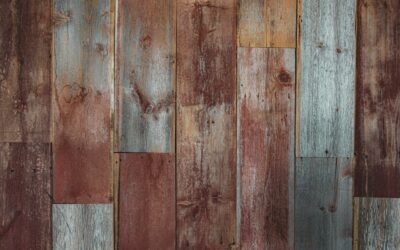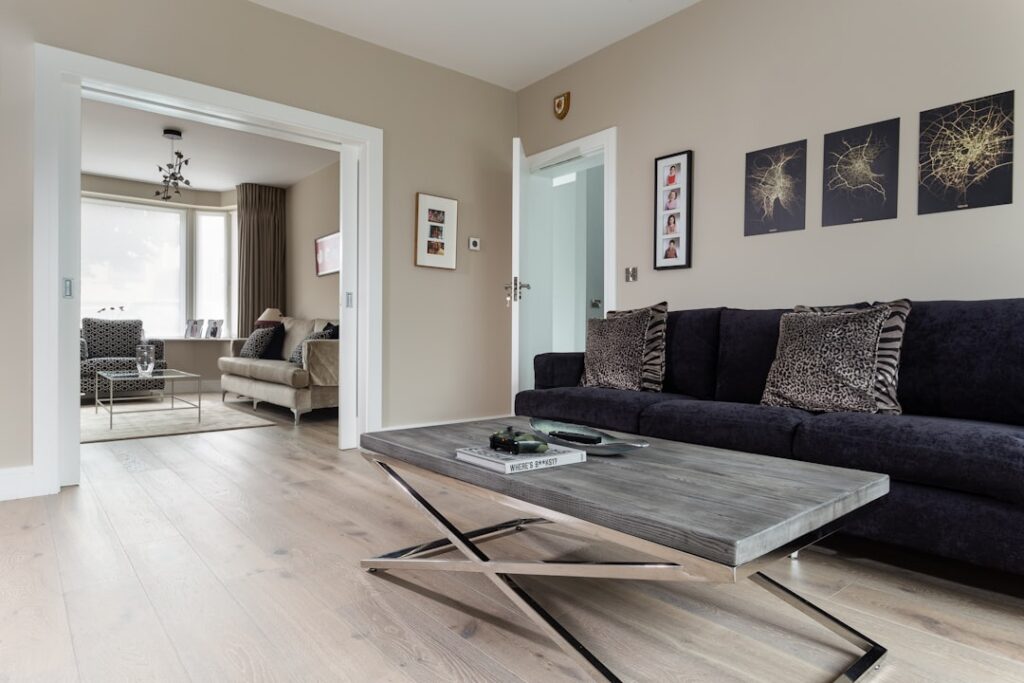
The trend toward rustic interiors has made salvaged wood one of the most sought-after flooring categories in the country. Barnwood flooring refers to reclaimed lumber pulled from 19th and early 20th century barns, factories, and farmhouses, then remilled into modern tongue-and-groove flooring planks. The appeal is unmistakable: decades or centuries of weathering give each board a character that factory-produced flooring simply cannot replicate. This guide separates authentic reclaimed barnwood from modern look-alike products, walks through pricing, and covers the installation considerations that trip up first-time buyers.
What Authentic Barnwood Actually Is
Real barnwood flooring comes from dismantling old agricultural structures, primarily in the Northeast, Midwest, and Mid-Atlantic regions of the United States. Most barns worth salvaging were built between 1850 and 1940 using old-growth timber, which is denser and more dimensionally stable than contemporary plantation-grown lumber. Common species include American chestnut (largely extinct since the 1930s blight), longleaf pine, hemlock, white oak, and hand-hewn mixed hardwoods.
The reclamation process is labor-intensive. A salvage contractor tears down the barn, extracts nails and foreign objects, kiln-dries the timber to residential moisture levels, and remills the boards through a planer and molder to create tongue-and-groove profiles. Expect 30 to 50 percent waste from the original timber weight; the remainder becomes flooring.
Pricing for Real Reclaimed Barnwood
Authentic barnwood flooring is expensive because the labor and sourcing costs are significant.
- Hand-hewn mixed hardwoods: $8 to $18 per square foot.
- Reclaimed white oak: $12 to $22 per square foot.
- Reclaimed longleaf heart pine: $14 to $28 per square foot.
- American chestnut: $18 to $35 per square foot when available.
- Custom-milled wide planks: Add 20 to 40 percent premium.
Installation runs another $6 to $12 per square foot because reclaimed wood requires extra attention to acclimation, subfloor prep, and handling of embedded nails that may have escaped the extraction process.
Look-Alike Alternatives at Lower Price Points
If the aesthetic matters more than the authenticity, several modern products replicate the barnwood visual at a fraction of the price.
- Distressed engineered hardwood: $4 to $8 per square foot from brands like Armstrong, Shaw, and Mohawk.
- Wire-brushed oak: $5 to $9 per square foot; open grain mimics weathered texture.
- Printed LVP with barnwood visuals: $2.49 to $4.99 per square foot at Floor and Decor or Home Depot.
- Laminate with embossed barnwood texture: $1.99 to $3.49 per square foot for 12mm AC4 products.
These alternatives will not age the way real reclaimed wood does; the patina of genuine barnwood is the result of decades of oxidation, weathering, and use, and that cannot be printed or stained onto new material. But they do deliver the visual cue at a price most homeowners can actually afford.
Installation Considerations
Reclaimed wood is not forgiving. Boards vary in width, thickness, and length more than kiln-dried new lumber, and hidden nails can still show up during installation.
- Subfloor flatness: 1/8 inch over 6 feet; wider variation telegraphs through reclaimed flooring.
- Acclimation: 96 hours minimum; reclaimed wood takes longer than new kiln-dried stock to equalize.
- Nail detection: Use a metal detector on each board before nailing to avoid striking hidden fasteners.
- Fastener choice: Use stainless steel nails or cleats; carbon steel reacts with residual tannins and creates black stains over time.
- Expansion gap: Standard 3/4 inch around walls and fixed objects.
Many homeowners hire a specialist installer who has experience with reclaimed flooring. The labor rate is higher, typically $1 to $3 per square foot above standard hardwood, but the quality difference is significant.
Sealing and Finishing Options
Barnwood can be left rough and sealed with penetrating oil to preserve the weathered patina, or it can be lightly sanded and finished with a traditional urethane or hardwax oil. Rough-sawn finishes keep the character but collect dust in the saw-kerf grooves; smooth-sanded finishes are easier to clean but remove some of the rustic appeal.
For oil finishes, Rubio Monocoat and Osmo Polyx are the industry standards. Both penetrate into the wood rather than sitting on top like urethane, which means scratches can be spot-repaired without sanding the entire plank. Expect to recoat every three to seven years in high-traffic areas.
Sustainability and Environmental Benefit
Reclaimed wood is legitimately one of the most sustainable flooring choices available. The timber is already harvested, so no new trees are cut. Diverting old barn lumber from landfills reduces construction waste. The embodied carbon is effectively zero for the wood itself; only the remilling and shipping energy count against the project. Several reclaimed wood suppliers carry FSC Recycled certification, which qualifies for LEED points on commercial projects.
Pros and Cons
- Pros: Unique character impossible to replicate, old-growth density and stability, strong sustainability story, historical and cultural value, stunning natural patina.
- Cons: Expensive material and labor, variable dimensions make installation slower, hidden nails can damage tools, limited supply of rare species, may contain lead paint residues from older barns.
Who Should Choose Barnwood
Custom-home builders, historic-home renovators, luxury buyers who prize authenticity, and designers working on projects where the flooring is a centerpiece rather than a neutral surface. If the aesthetic is the only thing you want, the look-alike alternatives deliver 85 percent of the visual at 25 percent of the price. For everyone else committed to the real thing, barnwood rewards the investment with a floor that will genuinely outlive the house around it.
Prefer to explore on your own?
See how new flooring looks in your actual room in seconds — free, no signup.
Try the free Floor Studio →