A bathroom is the smallest room in most homes, yet it returns some of the highest value per square foot when you improve it thoughtfully. The best bathroom ideas balance looks with the realities of moisture, ventilation, and daily wear, which is why a beautiful space that ignores waterproofing or storage never stays beautiful for long. Whether you have a $500 weekend refresh or a $15,000 full renovation in mind, the same design principles apply: choose durable surfaces, layer your lighting, maximize storage, and pick a layout that fits how the room is actually used.
Part of our Bathroom Remodeling & Flooring guide — explore the full guide →
Here are the ideas that deliver the biggest visual and functional payoff, organized so you can mix and match to your budget.
- Start With Durable, Water-Smart Surfaces
- Make the Vanity the Centerpiece
- Layer Your Lighting
- Solve Storage Before It Becomes Clutter
- Choose a Layout That Fits the Space
- Add Character With Color and Fixtures
- Prioritizing for Your Budget
- Small Bathroom Tricks That Create Space
- Don’t Skimp on Ventilation
- Spa Touches Worth the Splurge
Start With Durable, Water-Smart Surfaces
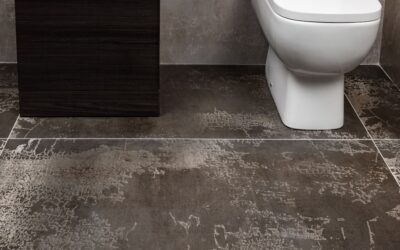
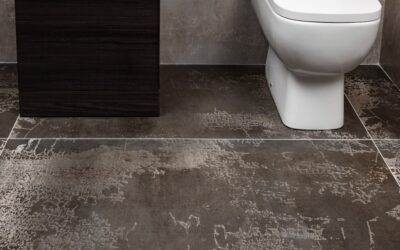
Every good bathroom starts at the floor and walls, because those surfaces take the most abuse. Porcelain tile is the workhorse choice at $5 to $15 per square foot installed, fully waterproof and available in wood-look, marble-look, and large-format styles that suit any aesthetic. For a warmer, softer feel underfoot, luxury vinyl plank at $3 to $7 per square foot is genuinely waterproof and forgiving on dropped items.
On walls, a full-height tiled shower with large-format porcelain minimizes grout lines and scrubbing, while a single accent wall of patterned or zellige tile adds character without the cost of tiling the whole room. Wherever tile meets tub or floor, quality silicone caulk and proper waterproofing membrane behind the tile are what keep the pretty surface from failing in two years.
Make the Vanity the Centerpiece
The vanity anchors the room visually and does most of the storage work, so it rewards attention. A floating wall-mounted vanity makes a small bathroom feel larger by showing floor beneath it, while a furniture-style vanity with a stone or quartz top, running $800 to $2,500 installed, brings a custom look. Double sinks are worth it in a shared primary bath if you have at least 60 inches of width to work with.
Pair the vanity with a statement mirror and updated hardware. Swapping builder-grade knobs for matte black, brushed brass, or brushed nickel pulls is a $50 upgrade that instantly modernizes the whole vanity. A backlit or LED mirror adds both function and a hotel-like glow for well under $300.
Layer Your Lighting
Lighting is where budget bathrooms most often fall short. A single fixture on the ceiling casts harsh shadows on faces, so the best bathroom ideas layer three types: ambient light overhead, task light at the mirror, and sometimes accent light in a niche or under a floating vanity. Sconces mounted at eye level on either side of the mirror, about 66 inches off the floor, light your face evenly for shaving and makeup.
Choose bulbs in the 2700K to 3000K range for a warm, flattering tone, or 3500K to 4000K if you prefer crisp, energizing light. Put the lights on a dimmer so the same room can be bright in the morning and relaxing at night. In a windowless bath, adding a tubular skylight brings in free daylight for a few hundred dollars.
Solve Storage Before It Becomes Clutter
Bathrooms accumulate bottles, towels, and gadgets fast, so plan storage generously. Recessed medicine cabinets tuck items into the wall cavity without eating floor space, and a recessed shower niche, framed during tile work, keeps shampoo off the tub ledge. Tall linen towers or open shelving over the toilet turn otherwise dead vertical space into useful storage.
Inside the vanity, drawer organizers and a cutout around the plumbing keep the cabinet usable rather than a jumble. For rentals or quick fixes, over-the-door racks, floating shelves, and ladder towel racks add storage without touching the plumbing or walls permanently.
Choose a Layout That Fits the Space
Layout drives both comfort and cost. Keeping fixtures in their existing spots is the single biggest way to save money, since moving a toilet or shower drain means opening the floor and rerouting plumbing at $1,000 or more per fixture. When the footprint is tight, a corner shower or a curbless walk-in with a linear drain frees up circulation space and reads as more modern than a bulky tub-shower combo.
In a small bathroom, a pocket door instead of a swinging one reclaims the arc of floor the door would otherwise sweep. If you have room, a separate water closet for the toilet gives privacy in a shared bath. Always leave at least 21 inches of clear space in front of the toilet and vanity so the room feels comfortable to move through.
Add Character With Color and Fixtures
Once the bones are right, personality comes from finishes. A moody paint color on the walls or ceiling, deep green, navy, or warm terracotta, turns a plain powder room into a showpiece for the price of a gallon of moisture-resistant paint. Coordinating your faucet, showerhead, and hardware in one metal finish pulls the whole room together.
Small touches carry weight in a small room: a patterned floor tile, a fluted vanity, brass fixtures against dark tile, or a bold framed mirror. Because the square footage is limited, you can splurge on a designer tile or faucet that would blow the budget in a larger space.
Prioritizing for Your Budget
If funds are limited, spend first on the changes that touch you every day: better lighting, a new vanity and faucet, fresh paint, and updated hardware can transform a bathroom for under $1,500. Reserve the big money, retiling, moving fixtures, and replacing the tub or shower, for a full remodel when the budget allows. Whatever you spend, keep ventilation and waterproofing at the top of the list, because the smartest bathroom ideas are the ones that still look and work great five years after the last tile went in.
Small Bathroom Tricks That Create Space
Tight bathrooms benefit most from a few visual tricks. Large-format tile with matching grout reduces busy lines and makes a small floor read as bigger, while running the same tile up the shower walls creates a seamless, expansive feel. A frameless glass shower door instead of a curtain or framed enclosure keeps sightlines open so the eye travels the full length of the room.
Light colors on walls and floors bounce light around and enlarge the space, and a big mirror, ideally wall to wall over the vanity, effectively doubles the visual volume. Wall-hung toilets and floating vanities expose floor area underneath, which tricks the brain into perceiving more square footage. None of these moves changes the actual footprint, but together they make a 40-square-foot bathroom feel far larger.
Don’t Skimp on Ventilation
The upgrade nobody photographs but everyone should prioritize is the exhaust fan. A bathroom without adequate ventilation grows mold, peels paint, and rots trim within a few years no matter how nice the finishes are. Size the fan to the room: the rule of thumb is one CFM per square foot, so a 50-square-foot bath needs at least a 50 CFM fan, and larger or enclosed-toilet baths need more.
Choose a quiet model rated at 1.0 sones or less so you actually leave it running, and put it on a timer or humidity-sensing switch so it clears steam for 20 minutes after a shower. Venting must go outside through the roof or a wall, never into the attic, where trapped moisture causes far bigger problems. It is a $150 to $400 upgrade that protects everything else you invest in the room.
Spa Touches Worth the Splurge
If the budget stretches, a few spa-inspired details elevate a bathroom from functional to restorative. A rainfall showerhead paired with a handheld on a slide bar delivers both luxury and practicality for around $200 to $500. Heated towel bars and radiant floor heating make winter mornings genuinely nicer, adding warmth for a few hundred dollars in a small room.
A built-in shower bench, a niche stocked with candles, and a freestanding soaking tub, where space allows, turn a daily routine into a retreat. These bathroom ideas cost more, but in the room where you start and end every day, comfort upgrades tend to feel worth it long after the novelty of a new paint color has worn off.