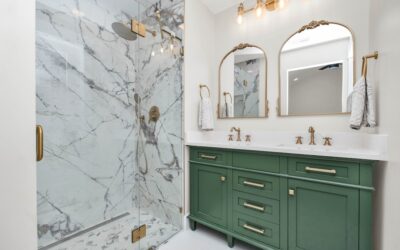
The shower is the most-used fixture in the bathroom, and it is often the first element that shows its age — cracked grout, yellowed caulk, outdated tile, and a showerhead from the 1990s that dribbles instead of flows. A bathroom shower remodel ranges from a $1,500 cosmetic refresh to a $15,000+ full reconfiguration, and the scope you choose depends on whether the issues are surface-level or structural. Here is how to plan the project, set realistic expectations, and spend your budget where it matters most.
Part of our Bathroom Remodeling & Flooring guide — explore the full guide →
Scope and Cost Tiers
- Cosmetic refresh ($1,500-$3,000): Regrout existing tile, replace caulk, install new showerhead and trim, add a glass panel or new shower door. No demolition. The shower structure stays intact
- Surface remodel ($3,000-$8,000): Remove existing tile, install new tile on walls and floor, replace fixtures, add niche, update glass enclosure. Plumbing stays in place. The most common bathroom shower remodel scope
- Full reconfiguration ($8,000-$15,000+): Move plumbing, change shower size/shape, add a curbless entry, install a linear drain, upgrade to a custom glass enclosure. The shower is rebuilt from the studs out
Tile Selection
Tile is the dominant visual element and the largest material cost in a shower remodel. Large-format tiles (12×24 inches and larger) minimize grout lines and create a clean, modern look. Subway tile (3×6 or 4×12 inches) remains a classic and budget-friendly choice at $2-$5 per square foot. Mosaic tiles ($8-$20 per square foot) add texture on accent walls, niches, and shower floors.
- Porcelain tile: $3-$10 per square foot. Most durable, lowest water absorption, widest design range. The professional’s default choice for shower walls and floors
- Ceramic tile: $1-$5 per square foot. Adequate for shower walls but absorbs more water than porcelain. Avoid on shower floors where standing water is constant
- Natural stone (marble, travertine): $10-$30 per square foot. Premium look but requires sealing every 6-12 months and is more susceptible to soap scum staining
- Glass tile: $15-$35 per square foot. Stunning visual impact, especially as an accent strip or niche lining. Requires experienced installation due to visibility of the setting bed through the glass
Shower Floor Options
The shower floor requires slip-resistant material with adequate slope (1/4 inch per foot toward the drain). Small-format tiles (2×2 inch or penny round mosaic) provide the most slip resistance because the extensive grout lines create traction. Large-format tiles on shower floors require a textured or matte finish for safety — polished tiles are dangerously slick when wet and soapy.
Curbless (zero-threshold) showers have become the dominant trend in modern bathroom shower remodel projects. They eliminate the step-over curb, creating a seamless transition from the bathroom floor into the shower. Achieving a curbless design requires careful slope engineering — the entire bathroom floor or a section of it must slope toward the shower drain. A linear drain ($100-$300) along one wall replaces the traditional center drain and simplifies the slope to a single direction.
Glass Enclosures
- Frameless glass enclosure ($800-$2,500): Thick tempered glass (3/8 to 1/2-inch) with minimal hardware. The premium option that makes the shower feel open and displays your tile work. Heavy — requires professional installation and precise measuring
- Semi-frameless ($400-$1,000): Glass panels with a thin frame along the top and/or bottom. Less expensive than frameless with a similarly clean appearance. More forgiving of slight measurement variations
- Framed enclosure ($200-$600): Full aluminum frame around all glass edges. Most affordable and easiest to install. Reads as more traditional/standard than the frameless alternatives
- Glass panel/splash guard ($200-$500): A single fixed glass panel that blocks splash without fully enclosing the shower. Works with curbless designs. The most minimal and modern option
Fixtures and Showerheads
Upgrading fixtures during a bathroom shower remodel delivers daily enjoyment that tile and glass alone cannot. A rain showerhead ($50-$200) mounted overhead transforms the shower experience with broad, gentle water coverage. A handheld showerhead on a slide bar ($30-$100) adds flexibility for rinsing, cleaning, and bathing children or pets. Many homeowners install both — the overhead rain head for daily showering and a handheld for practical tasks.
Thermostatic shower valves ($200-$400) maintain a consistent water temperature regardless of pressure changes elsewhere in the house — no more cold blasts when someone flushes a toilet. Body spray jets ($50-$150 each) mounted at torso height create a spa-like multi-jet experience. Match all fixture finishes — mixing chrome and brushed nickel in the same shower looks uncoordinated.
Waterproofing: The Invisible Critical Step
Proper waterproofing behind the tile is the most important element of any bathroom shower remodel — and the most commonly skipped by DIYers and budget contractors. The tile and grout are not waterproof. Water penetrates grout joints and reaches the substrate behind the tile. Without a waterproof membrane, that moisture soaks into cement board, framing lumber, and eventually causes mold, rot, and structural damage.
Use a sheet membrane (Schluter Kerdi, $2-$3 per square foot) or a liquid-applied membrane (RedGard, Hydroban, $30-$50 per gallon covering 55-65 square feet) on all shower walls and the shower floor before tiling. This $100-$300 investment in waterproofing protects thousands of dollars in tile, framing, and remediation costs. No waterproofing membrane = a ticking clock on your shower remodel, regardless of how beautiful the tile looks.