Few home projects deliver as much daily satisfaction as a well-executed shower room remodel. A dated, cramped, or leaky shower can drag down an entire bathroom, while a fresh one with the right tile, fixtures, and lighting can feel like a small spa you get to use every morning. But behind that beautiful result is a project with real technical stakes, because a shower is the wettest, most failure-prone spot in your house.
Part of our Bathroom Remodeling & Flooring guide — explore the full guide →
Having planned and overseen many bathroom renovations, I can tell you that a successful shower remodel is equal parts good design and disciplined waterproofing. This guide walks you through the decisions that matter most, from layout and materials to budget and the behind-the-wall work that determines whether your shower lasts five years or thirty.
Set Your Goals and Budget First
Before picking tile, define what you actually want. Are you replacing a tired tub-shower combo with a walk-in shower? Enlarging a stall? Upgrading finishes only? Each path has a very different scope and price. A cosmetic refresh, like new tile and fixtures within the existing footprint, is dramatically cheaper than moving plumbing or expanding the shower into adjacent space.
For budgeting, a modest shower remodel typically runs $4,000 to $8,000, a mid-range custom tile shower lands around $8,000 to $15,000, and high-end walk-in showers with premium tile, glass, and multiple fixtures can exceed $20,000. Set aside a 15 to 20 percent contingency, because opening up old walls frequently reveals hidden water damage, rot, or outdated plumbing that must be addressed.
Choosing the Right Shower Layout
Layout drives both function and cost. Walk-in showers are the strong trend, offering easy access, a clean modern look, and no tub wall to step over. Curbless or low-curb designs look sleek and improve accessibility, but they require careful floor sloping and waterproofing to contain water without a traditional threshold.
If you are working with a small bathroom, a corner shower or a neo-angle unit can free up floor space. Larger baths can support a spacious double shower with two heads and a bench. Keep plumbing walls where they are if you want to save money, since relocating drains and supply lines is one of the biggest cost drivers in any shower room remodel.
Tile and Surface Options
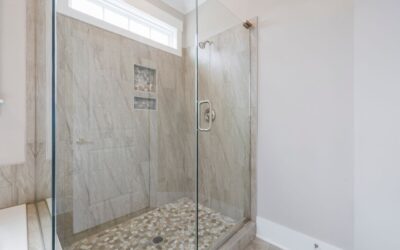
Tile is where your shower gets its personality. Porcelain and ceramic remain the workhorses: waterproof, durable, and available in endless looks including marble, stone, and wood imitations. Large-format porcelain tiles are popular because fewer grout lines mean easier cleaning and a more expansive feel. Natural stone like marble is stunning but requires sealing and more upkeep, so weigh maintenance against beauty.
For the shower floor, use smaller tiles or a textured surface for slip resistance, since the extra grout lines provide grip. Consider a niche recessed into the wall for shampoo and soap, which looks custom and eliminates clutter. A built-in bench adds comfort and function. Whatever you choose, buy 10 to 15 percent extra tile for cuts, waste, and future repairs.
Fixtures, Glass, and Lighting
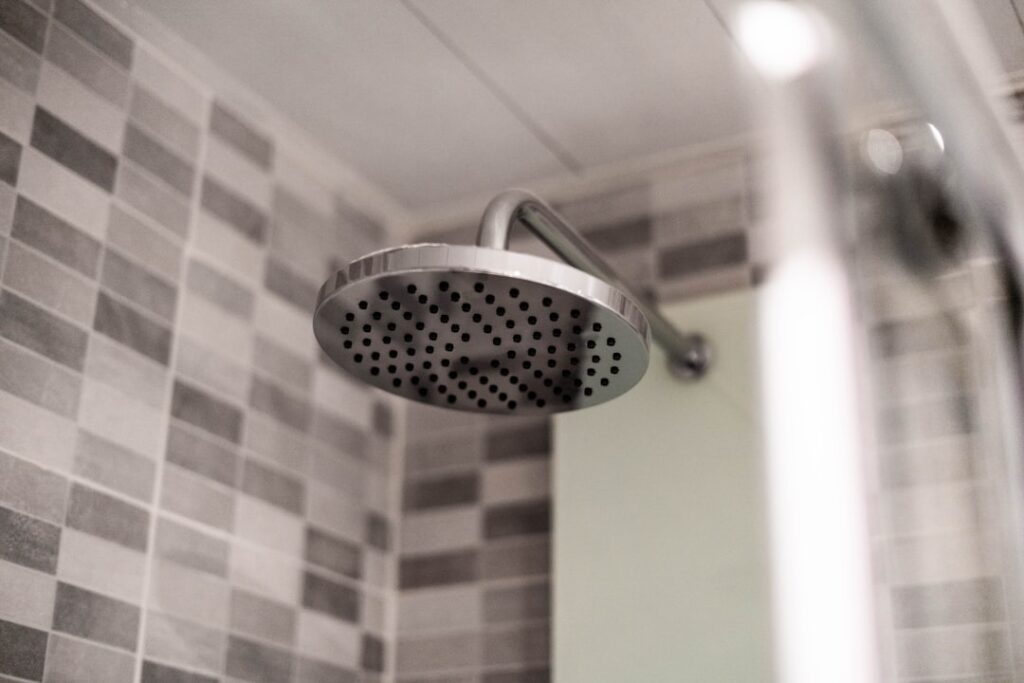
Fixtures set the tone and the daily experience. A quality thermostatic or pressure-balancing valve prevents scalding temperature swings, and it is worth investing in a reputable brand for reliability. Rain showerheads, handheld sprayers, and body jets add luxury, but remember that more fixtures may demand a larger water heater and higher-capacity plumbing.
Frameless glass enclosures are the premium look, keeping the space open and showing off your tile, though they cost more than framed units. For lighting, add a moisture-rated recessed light inside the shower so the space is bright and safe. Good lighting and clean glass do as much for the finished feel of a shower as expensive tile, so do not treat them as afterthoughts.
Waterproofing: The Part You Cannot Skip
This is the most important section in the entire guide. The beauty of your shower is only skin deep; what keeps it from destroying your walls and floor is proper waterproofing behind the tile. Tile and grout are not waterproof on their own, so a dedicated waterproofing system is mandatory. Modern approaches include sheet or liquid membranes over cement backer board, or integrated systems where foam boards and pre-sloped pans create a continuous waterproof envelope.
Insist that your contractor uses a recognized waterproofing method and slopes the shower floor correctly toward the drain. A failure here is invisible at first, then shows up as mold, rotted framing, and ruined ceilings below. If you take one thing from this guide, let it be that waterproofing quality matters more than any tile you pick, because it determines whether your remodel lasts decades or fails within a few years.
Ventilation and Finishing Touches
A shower generates enormous moisture, and without proper ventilation that humidity attacks paint, grout, and drywall while feeding mold. Install a properly sized exhaust fan, ideally on a timer or humidity sensor, and run it during and after every shower. Good ventilation protects your entire remodel and keeps the whole bathroom healthier.
Finishing touches pull the look together: coordinated hardware finishes, a quality shower door sweep to control leaks, sealed grout, and thoughtful storage. Matte black and brushed gold fixtures are current favorites, while brushed nickel remains a timeless, forgiving choice. These details are relatively inexpensive but make the difference between a builder-grade shower and one that feels custom.
DIY Versus Hiring a Pro
A confident DIYer can handle demolition, tiling, and finish work, but I strongly recommend professional help for plumbing, waterproofing, and any structural changes. The cost of a leak that rots your subfloor far exceeds the labor you would save. Many homeowners split the difference, doing prep and cosmetic work themselves while hiring specialists for the critical waterproof and plumbing stages.
However you divide the work, plan thoroughly, respect the waterproofing, and choose durable materials. Done right, a shower room remodel is one of the highest-return, most-enjoyed upgrades you can make, transforming a purely functional space into a daily retreat that also boosts your home’s value.
Accessibility and Aging-in-Place Features
Even if you are not planning for it now, building accessibility into a shower remodel is a smart, forward-looking move that costs little when done during construction. Curbless entries eliminate the trip hazard of a threshold and create a sleek, modern look while making the shower usable for all ages and mobility levels. A built-in bench provides a place to sit, and blocking added behind the walls now lets you install grab bars later without opening the tile.
Grab bars have shed their institutional image and now come in stylish finishes that double as towel bars, so there is no reason to skip the reinforcement. A handheld showerhead on a slide bar adds flexibility for seated bathing and easy cleaning. These features add comfort and safety today and dramatically extend how long you can enjoy your home, which is why I encourage clients to at least add wall blocking during any shower remodel, even a purely cosmetic one.
Timeline and What to Expect
Understanding the timeline helps you plan around the disruption. A straightforward shower remodel within the existing footprint typically takes one to two weeks, while a larger project that moves plumbing, expands the space, or involves custom tile can run three weeks or more. The critical path usually runs through demolition, plumbing rough-in, waterproofing, tile setting and curing, and finally fixtures and glass, with inspections along the way if permits are required.
Expect at least a few days when the shower is unusable, so arrange an alternate bathing option in advance. Tile and waterproofing steps cannot be rushed, since mortar and membranes need proper cure time, and pushing the schedule here invites failure. Order all materials, especially tile and the shower door, before demolition begins, because backordered items are the most common cause of stalled bathroom projects. Patience during the wet-work stages pays off in a shower that performs for decades.