The cabinet under your sink does more than hold a countertop. It hides plumbing, provides storage, sets the style of the whole bathroom, and has to survive years of splashes and humidity. Choosing the right bathroom vanity base means balancing size, material, mounting style, and how it works with your existing plumbing. Get it right and you gain daily convenience and a room that looks pulled together. Get it wrong and you fight a warped cabinet or an awkward layout every morning.
Part of our Bathroom Remodeling & Flooring guide — explore the full guide →
This guide covers the vanity base types, standard dimensions, materials, and the practical details installers wish more homeowners understood before buying.
- What Exactly Is a Vanity Base?
- Freestanding, Floating, and Vanity Base Types
- Standard Vanity Base Sizes
- Materials and How They Handle Moisture
- Plumbing Considerations Before You Buy
- Storage and Drawer Layout
- Installation Tips for a Solid Result
- Making the Final Choice
- Matching the Base to Your Countertop
- Vanity Base Buying Checklist
What Exactly Is a Vanity Base?
The vanity base is the cabinet box itself, separate from the countertop, sink, and faucet. Some vanities come as complete units with a top included, while others sell the base alone so you can pair it with a countertop of your choice. Knowing the difference matters when you compare prices, because a base-only listing looks cheaper until you add a stone top and sink.
The base determines your storage, the plumbing access, and the height at which you use the sink. It is the structural foundation of the vanity, so its quality drives how long the whole setup lasts in a wet, humid room.
Freestanding, Floating, and Vanity Base Types
Vanity bases come in several mounting styles, each with clear advantages depending on your space and taste.
- Freestanding: The most common type, resting on the floor with legs or a toe kick. Easy to install, widely available, and offers the most storage. A great default for family bathrooms.
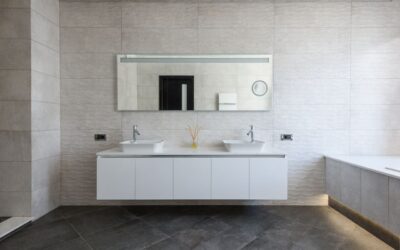
- Floating (wall-mounted): Bolted to the wall studs with open floor beneath. Creates a modern, spacious look and makes the floor easier to clean, but requires solid blocking in the wall and a comfortable height set during install.
- Corner vanity base: Fits into a corner to save space in a small or half bath where a standard rectangular cabinet would crowd the room.
- Open-shelf base: Skips doors for a lighter, airier feel with towels and baskets on display. Stylish but offers less hidden storage.
Standard Vanity Base Sizes
Vanity bases come in predictable widths, which makes shopping easier. Common single-sink widths are 24, 30, 36, and 48 inches. Double-sink bases usually start at 60 inches and go up to 72. Standard depth runs 21 inches, though shallow 18-inch and even 12-inch depths exist for tight powder rooms.
Height has shifted over the years. Traditional vanities stand 30 to 32 inches tall, but comfort-height or counter-height vanities at 34 to 36 inches have become popular because they save your back. If you have children, a lower vanity may serve better. When buying a floating base, remember you set the height during installation, so decide who uses the sink most before you drill.
Materials and How They Handle Moisture
A bathroom is a humid environment, and the base material determines how well the cabinet survives. Here are the common choices, ranked roughly by durability and cost:
- Solid wood: Beautiful and repairable, but it can expand and warp with humidity swings if not sealed well. Best in well-ventilated bathrooms.
- Plywood: The sweet spot for many buyers. Dimensionally stable, strong, and far more water-resistant than particleboard. Look for plywood boxes even if the doors are solid wood.
- MDF (medium-density fiberboard): Smooth and stable for painted finishes, but it swells badly if water reaches the core, so quality sealing matters.
- Particleboard: The cheapest option, common in budget vanities. It fails fastest when exposed to leaks or standing water.
Whatever the box material, pay attention to the finish. A well-sealed cabinet with quality hardware outlasts a bargain unit that looks fine on day one but swells within a year.
Plumbing Considerations Before You Buy
The single most overlooked detail is how the base accommodates your plumbing. If your water supply and drain come up through the floor, a standard base with a full bottom works fine. If your plumbing comes out of the wall, a floating vanity or an open-back base clears the pipes without awkward cutting.
Measure the location of your existing supply lines and drain before you order. Note the rough-in height and how far the pipes sit from the wall. Many vanity bases ship with a solid back that you must cut to fit the plumbing, so confirm the base allows access. For a vessel sink, remember the base sits lower because the bowl adds height on top.
Storage and Drawer Layout
Think about how you actually use the space. A base with a single door and a shelf offers cheap storage but wastes room around the P-trap. Bases with U-shaped drawers route around the plumbing and give you far more usable space for everyday items. Soft-close hinges and full-extension drawer glides feel like a small luxury but dramatically improve daily use and last longer than cheap hardware.
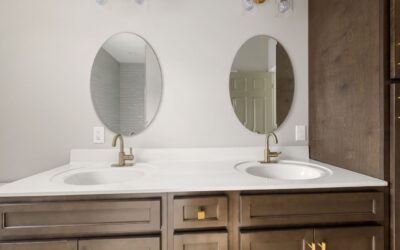
If two people share the bathroom, a double vanity base with a bank of central drawers keeps toiletries organized and reduces morning traffic jams. In a small bath, a single 30-inch base with smart internal organizers often beats a bigger cabinet crammed into the space.
Installation Tips for a Solid Result
A vanity base install goes smoothly with a little planning. Shut off the water and disconnect the old unit first. Dry-fit the new base and check it for level in both directions, shimming the feet or adjusting the wall bracket as needed. An out-of-level base leaves gaps at the countertop and stresses the plumbing connections.
Secure a freestanding base to the wall studs with screws through the back rail to keep it from tipping or shifting. For a floating base, locate the studs and use heavy-duty mounting hardware, or add blocking inside the wall if you are renovating down to the studs. Caulk the gap between the countertop backsplash and the wall to keep water out of the cabinet.
Making the Final Choice
Start with your bathroom’s size and plumbing layout, then choose a width that leaves comfortable clearance around doors and fixtures. Pick a plywood or solid-wood box if your budget allows, decide between freestanding and floating based on your style and wall structure, and prioritize drawers over a single door for usable storage. A well-chosen bathroom vanity base does its job quietly for a decade or more, holding up to daily use while anchoring the look of the entire room.
Matching the Base to Your Countertop
The base and the countertop have to work together, both structurally and visually. Heavier tops like granite and quartz need a sturdy base to carry the weight without flexing, so avoid a flimsy particleboard box under a stone slab. Confirm the base is rated for the countertop material you plan to use, and add support cleats inside a wide cabinet if the span is long.
Visually, coordinate the cabinet finish with the countertop and the room. A painted base pairs well with almost any top, while a wood-tone base looks best with countertops that share a warm or cool undertone. If you are buying the base and top separately, bring a sample or photo so the finishes harmonize rather than clash.
Vanity Base Buying Checklist
Before you commit, run through a quick checklist to avoid the most common regrets:
- Confirm the width and depth fit your space with clearance for the door and toilet.
- Check the box material favors plywood or solid wood over particleboard for a humid room.
- Verify plumbing access matches whether your lines come from the floor or wall.
- Look for soft-close hinges and full-extension drawer glides for daily durability.
- Decide if a top is included or if you need to budget for one separately.
Ticking through these before purchase saves you from the frustration of a base that does not fit your plumbing or crowds the room once installed.