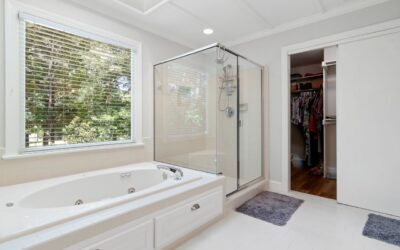
Whether your old tub is cracked, stained, or simply outdated, upgrading it can transform your bathroom and your daily routine. Today’s bathtub replacement options range from budget-friendly acrylic units to luxurious freestanding soaking tubs, with something for every space and budget. This guide walks through the materials, styles, costs, and installation considerations so you can choose the right tub with confidence.
Part of our Bathroom Remodeling & Flooring guide — explore the full guide →
- When to Replace Your Bathtub
- Bathtub Materials Compared
- Popular Tub Styles
- Tub-to-Shower Conversions
- What Replacement Costs
- Installation Considerations
- Accessibility and Comfort Features
- Refinishing and Liners as Alternatives
- Planning Around Plumbing and Layout
- Getting Accurate Quotes and Timeline
- Common Mistakes to Avoid
- Making Your Choice
When to Replace Your Bathtub
Not every tired tub needs replacing, but several signs point to an upgrade. Deep cracks, chips that expose the substrate, persistent leaks, and rust stains around drains all suggest the tub has reached the end of its life. A tub that flexes underfoot may have water damage beneath it. Beyond damage, many homeowners replace a functional tub simply to modernize the bathroom, improve accessibility, or switch to a walk-in shower.
If your tub is merely dull or lightly stained, refinishing or a liner might restore it for less. But when the surface is damaged or you want a new style, full replacement is the better long-term investment.
Bathtub Materials Compared
The material you choose affects durability, weight, heat retention, and price:
- Acrylic: Lightweight, warm to the touch, and available in many shapes. Priced around $300 to $1,500, it is the most popular choice for its balance of cost and durability.
- Fiberglass: The most affordable at $200 to $800, but thinner and more prone to scratching and fading.
- Enameled steel: A steel base coated in porcelain enamel, durable and affordable but cold and noisy, $200 to $600.
- Cast iron: Extremely durable and excellent at holding heat, but very heavy and pricey at $500 to $2,500, often requiring reinforced floors.
- Stone resin and cast stone: Luxurious solid-surface tubs for high-end freestanding designs, $1,500 to $5,000 or more.
Popular Tub Styles
Style shapes both the look and function of your bathroom:
- Alcove: The standard three-wall recessed tub, the most common and economical, often combined with a shower.
- Freestanding: A standalone tub that becomes a focal point, from classic clawfoot to modern sculptural shapes.
- Drop-in: A tub shell set into a custom-built deck, offering a built-in look.
- Corner: A triangular tub that fits into a corner, good for larger bathrooms.
- Walk-in: A tub with a watertight door and seat for accessibility, ideal for aging in place.
Alcove tubs suit most standard bathrooms and tub-shower combos, while freestanding tubs create a spa-like statement in a larger, dedicated space.
Tub-to-Shower Conversions
One increasingly popular replacement option is not a new tub at all but a conversion to a walk-in shower. If you have multiple bathrooms and rarely use the tub, converting to a spacious curbless or low-threshold shower improves accessibility and modernizes the space. However, keep at least one bathtub in the home if possible, since many buyers and families with young children value having a tub.
Conversions typically run $3,000 to $10,000 depending on materials and complexity. Weigh your household’s needs and resale considerations before removing your only tub.
What Replacement Costs
Total cost combines the tub, labor, and any plumbing or surrounding work. As a general guide:
- Basic acrylic or fiberglass alcove tub, installed: $1,500 to $3,500.
- Mid-range replacement with new surround and fixtures: $3,500 to $6,500.
- Freestanding soaking tub with new plumbing: $4,000 to $9,000.
- Cast iron or high-end stone tub project: $6,000 to $12,000.
Labor accounts for a large share because removing an old tub, especially heavy cast iron, and fitting the new one involves plumbing, and sometimes wall and floor repairs. Freestanding tubs may need floor-mounted or freestanding faucets, adding to the cost.
Installation Considerations
Replacing a bathtub is a substantial project that most homeowners hire out, though a handy DIYer can tackle a straightforward alcove swap. The job involves disconnecting and reconnecting the drain and overflow, removing the old tub, preparing a level and supported base, setting the new tub, and often replacing the surrounding wall material and waterproofing.
Cast iron tubs are so heavy they often must be broken apart to remove, requiring two or more people. Freestanding tubs need a floor strong enough to support their filled weight, sometimes hundreds of pounds of water plus the tub. Any hidden water damage discovered during removal must be repaired before the new tub goes in, which can affect the timeline and budget.
Accessibility and Comfort Features
Modern tubs offer features worth considering. Walk-in tubs with doors and grab bars support aging in place. Soaking tubs with deeper basins let you submerge fully for relaxation. Whirlpool and air-jet tubs add hydrotherapy but require electrical connections and more maintenance. Slip-resistant floors and built-in seats improve safety. Think about who will use the tub and how, then match the features to real needs rather than paying for jets you will rarely run.
Refinishing and Liners as Alternatives
Before committing to full replacement, it is worth knowing the lower-cost alternatives, since they suit some situations well. Bathtub refinishing, also called reglazing, involves cleaning, repairing, and spraying a new coating onto an existing tub. It costs roughly $300 to $600 and can make a dull, stained, but structurally sound tub look new in a day. The finish typically lasts 5 to 10 years with proper care, though it can chip and cannot repair deep cracks.
Bathtub liners are custom-molded acrylic shells fitted over the existing tub, running $700 to $2,000 installed. They provide a fresh surface without removing the old tub, but water can become trapped between the liner and the original tub if not installed perfectly. These options make sense when the tub is fundamentally sound and you want a quick, budget refresh. When the tub is damaged, leaking, or you want a different style or size, full replacement is the better long-term value.
Planning Around Plumbing and Layout
A bathtub replacement is rarely just about the tub, because the plumbing and surrounding layout often need attention too. If you are keeping the same tub location and type, the existing drain and supply lines usually work with minor adjustments. But switching from a standard alcove tub to a freestanding model, or relocating the tub, can require moving the drain and rough-in plumbing, which raises both cost and complexity significantly.
Freestanding tubs need a floor-mounted or wall-mounted filler, and the drain must line up precisely with the tub’s position. If you are updating the faucet and valve at the same time, budget for opening the wall to replace the valve body. Coordinating the tub choice with your plumber early prevents surprises, and doing all the plumbing work at once while the wall is open is more efficient than revisiting it later.
Getting Accurate Quotes and Timeline
Because bathtub replacement costs vary so widely, gathering detailed quotes from two or three licensed contractors protects your budget. Ask each to itemize the tub, labor, demolition, disposal of the old tub, any wall or floor repair, plumbing changes, and new fixtures. A vague lump-sum quote makes it hard to compare and can hide costs that surface later as change orders.
Set realistic expectations for the timeline. A straightforward alcove tub swap might take one to three days, while a project involving plumbing relocation, tile work, and a freestanding tub can stretch to a week or more. Factor in that hidden water damage discovered during demolition can extend the schedule. Building a small contingency into your budget and timeline keeps the project on track even when surprises appear behind the walls.
Common Mistakes to Avoid
- Choosing a heavy cast iron tub without confirming the floor can support it.
- Removing the home’s only bathtub, hurting resale to families.
- Ignoring hidden water damage revealed during removal.
- Buying a tub that will not fit through doorways and hallways.
- Underestimating the plumbing changes a freestanding tub requires.
Making Your Choice
The best bathtub replacement options balance your budget, bathroom size, and how you actually use the space. For most homeowners, a durable acrylic alcove tub delivers excellent value, while a freestanding soaking tub offers a luxurious upgrade in a larger bathroom. Measure your space and doorways, confirm your floor and plumbing can handle your choice, and get multiple quotes for installation. With the right tub, you can refresh your bathroom, improve daily comfort, and add lasting value to your home.