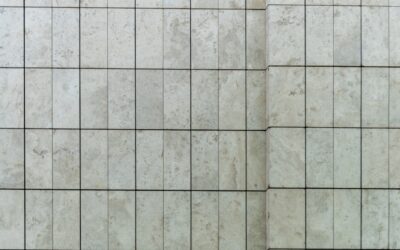
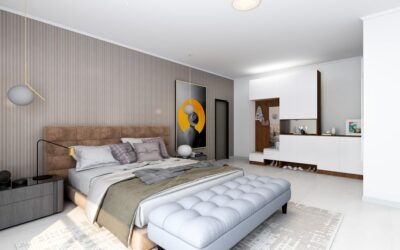
Tile in bedrooms still triggers a reflexive “but cold and hard” reaction from most North American homeowners — a holdover from 1980s ceramic in beach houses. In 2026, with wood-look porcelain rendering oak indistinguishably at four feet, integrated underfloor heating costing $9 to $14 per square foot installed, and acoustic backing pads solving the echo issue, bedroom tile has become a legitimate alternative to hardwood and carpet — particularly in warm climates, allergy-sensitive households, and homes where pets sleep in the master. Whether it makes sense for you depends on a handful of practical factors most articles glaze over.
Part of our Tile & Grout guide — explore the full guide →
- Why Tile in a Bedroom Even Makes Sense
- Tile Types Worth Considering for Bedrooms
- Solving the Cold-and-Hard Problem
- Best Tile Sizes and Layouts for Bedrooms
- Pros of Bedroom Tile
- Cons and Practical Considerations
- Cost Breakdown for a 200 Square Foot Master Bedroom
- What to Avoid
- Frequently Asked Questions
Why Tile in a Bedroom Even Makes Sense
Three trends converged. Wood-look porcelain became visually convincing — high-resolution decor printing, embossed-in-register textures matching the printed grain, and 8-foot plank lengths that erase the small-tile look. Underfloor heating dropped in price and complexity. And allergy awareness pushed buyers toward hard surfaces that do not harbor dust mites the way carpet does.
Tile also lasts. A well-installed porcelain bedroom floor will outlast carpet by 4x to 6x and engineered hardwood by 2x. In Sun Belt homes, coastal humidity zones, and houses with multiple pets, that durability premium pays back inside a decade.
Tile Types Worth Considering for Bedrooms
- Wood-look porcelain plank: 6×36, 8×48, or 9×60 inch porcelain planks printed and textured to look like oak, walnut, or weathered barn wood. The dominant choice. $4 to $9 per square foot supplied.
- Large-format porcelain: 24×24, 24×48, or even 30×60 inch tiles for a clean, modern, low-grout-line look. Best with light-colored decors. $5 to $12 per square foot.
- Marble-look porcelain: Captures the look of Carrara, Calacatta, or Statuario without the maintenance. $6 to $14 per square foot.
- Concrete-look porcelain: Industrial aesthetic for modern lofts and minimalist masters. $5 to $10 per square foot.
- Natural stone (limestone, travertine): Warm, organic, but requires sealing every 1 to 2 years. $7 to $18 per square foot. Bedroom-appropriate but high-maintenance.
Skip ceramic for bedrooms. The price difference versus porcelain is small, and porcelain’s durability and lower water absorption make it the clear winner for a long-term install.
Solving the Cold-and-Hard Problem
The two valid concerns about bedroom tile are temperature and impact. Both have practical solutions.
Underfloor heating resolves the temperature complaint completely. Electric mat systems run $9 to $14 per square foot installed under tile and warm the surface to 80°F to 85°F — toe-pleasingly warm, not hot. Energy cost for a 200 sq ft master bedroom running 6 hours daily is roughly $12 to $18 per month.
Plush rugs handle the impact and acoustic concerns. A 9×12 wool rug under the bed gives barefoot landing pads on both sides, dampens echo, and softens the visual. Budget $400 to $1,500 for a quality wool rug; $200 to $600 for a synthetic alternative.
Acoustic underlayment beneath the tile (Schluter Ditra-Heat or Laticrete Strata Heat) reduces noise transmission to rooms below — important in second-floor bedrooms over kitchens or living rooms.
Best Tile Sizes and Layouts for Bedrooms
Plank-format porcelain (6×36 to 9×60) reads most like a finished hardwood floor and works in any size bedroom. Random-staggered patterns avoid visible repeats and are forgiving of slightly uneven walls. A 12-inch (one-third) stagger works on 36- and 48-inch planks; for longer 60-inch planks, use random offsets between 8 and 24 inches.
Large-format square tiles (24×24+) work better in master bedrooms over 200 sq ft. In smaller rooms, the grid pattern of a 24×24 layout draws attention to room dimensions and can feel busy.
Grout lines should be 1.5mm to 3mm with rectified tiles, 3mm to 5mm with non-rectified. Use a grout color slightly darker than the tile body for a subtle look or matching for nearly invisible joints.
Pros of Bedroom Tile
- Allergen-free. No dust mites, no pet dander accumulation, no off-gassing from new carpet.
- Pet-friendly. Claws do not damage porcelain. Accidents wipe up cleanly.
- Long service life. 30 to 50 years versus 8 to 12 for carpet and 15 to 25 for hardwood.
- UFH compatibility. Tile is the most thermally efficient surface for radiant heat, beating wood and vinyl.
- Resale value. In warm climates and contemporary homes, tile reads as upmarket; in cold-climate traditional homes, less so.
Cons and Practical Considerations
Cost is real. Including underlayment, underfloor heating, and quality installation, a 200 sq ft bedroom in wood-look porcelain runs $4,500 to $7,500 versus $1,800 to $3,200 for mid-range carpet. The premium recovers over the floor’s lifespan but stings upfront.
Installation takes longer than wood or carpet — typically 3 to 5 days for a single bedroom versus 1 to 2 days for engineered wood. Plan dust control if you are living in the house during install; tile cutting is messy.
And in genuinely cold climates (USDA zones 4 and below), tile in bedrooms feels stark even with UFH. Carpet or wood with rugs may feel more right in Minnesota or Maine; tile shines in Phoenix, Charleston, San Diego, Tampa.
Cost Breakdown for a 200 Square Foot Master Bedroom
- Wood-look porcelain at $6/sq ft: $1,200
- Schluter Ditra-Heat uncoupling membrane: $400
- Electric heating mat (120V): $700
- Programmable thermostat: $180
- Thinset, grout, sealer: $220
- Installation labor at $9/sq ft: $1,800
- 9×12 wool area rug: $850
Total: roughly $5,350 — about double the cost of premium carpet, with 3x to 4x the lifespan and superior allergy and pet performance.
What to Avoid
- Polished tile finishes. Slippery on bare feet, especially when getting out of bed half-asleep.
- Very dark colors in small rooms. Charcoal or black tile shrinks rooms visually.
- Skipping underlayment over wood subfloors. Tile cracks at joist deflection points without an uncoupling membrane.
- Mixing tile and carpet in adjacent rooms with no transition strip. Looks unfinished and creates a tripping hazard.
Frequently Asked Questions
Is bedroom tile too cold for cold climates?
Without underfloor heating, yes — bedroom tile in zones 4 and below feels uncomfortable on bare feet from October through April. With electric UFH set to 80°F to 85°F, it is genuinely pleasant year-round.
How does bedroom tile compare to carpet for allergies?
Tile dramatically outperforms carpet for dust mites, pet dander, mold spores, and pollen — all of which embed in carpet fibers and resist normal vacuuming. Allergy sufferers consistently report better symptoms after switching from carpet to tile.
Can wood-look porcelain really pass for hardwood?
At conversational viewing distance (4+ feet) under normal lighting, yes — premium wood-look porcelain in 8×48 or 9×60 plank format with EIR texture is convincingly wood-like. Up close, the lack of natural variation and the cooler touch give it away.
Do I need underfloor heating with bedroom tile?
In cool climates, strongly recommended. In Sun Belt and warm coastal regions, optional — interior temperatures rarely make tile feel uncomfortably cold. Add UFH if you walk barefoot in the morning and the tile would otherwise drop below 65°F.
Prefer to explore on your own?
See how new flooring looks in your actual room in seconds — free, no signup.
Try the free Floor Studio →