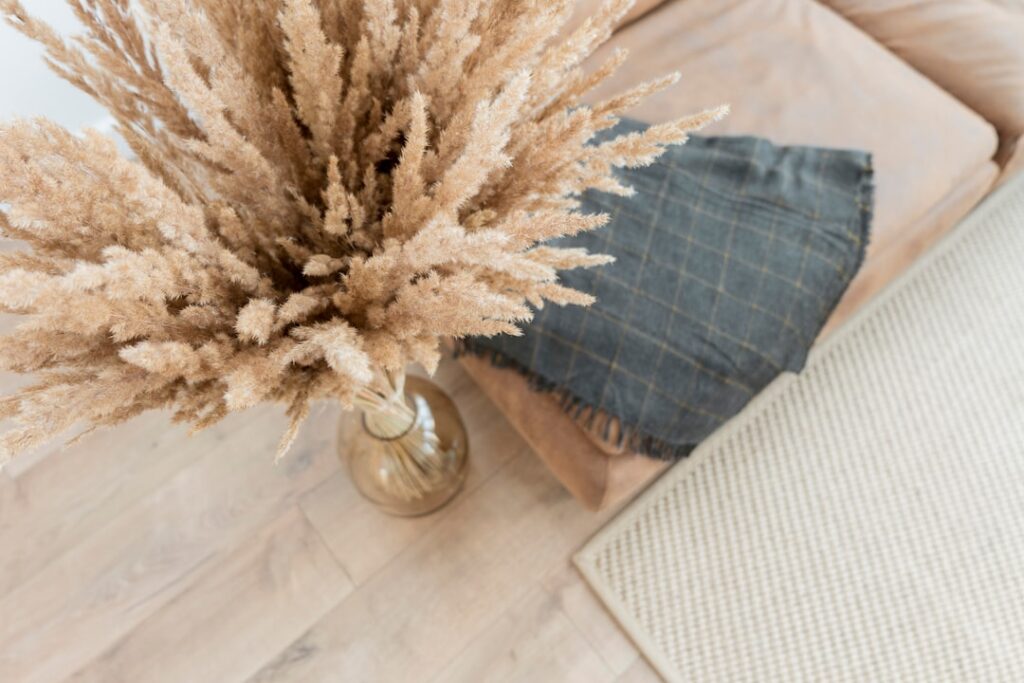
When a client can’t decide on a rug color and worries about clashing with what they already own, I point them to one safe, timeless answer. A beige and gray rug is about the most versatile floor covering you can buy, blending the warmth of beige with the cool, modern edge of gray so it works with nearly any furniture, wall color, or flooring. It hides everyday dirt better than a pure white rug, reads as neutral without being boring, and slots into transitional, modern, farmhouse, and coastal rooms alike. Here’s how to choose the right one instead of just grabbing the first one that looks nice online.
Why This Color Combo Works So Well
The magic is in the balance. Beige brings warmth and a soft, inviting tone, while gray adds a crisp, contemporary contrast that keeps the room from feeling flat or dated. Together they create what designers call a “greige” palette, and greige has been one of the most requested neutrals for over a decade for good reason.
Because both are neutrals, the rug becomes a foundation rather than a focal point. That lets your furniture, art, and accent pillows carry the personality of the room while the rug quietly ties everything together underfoot.
Matching It to Your Flooring
The floor under the rug changes how the colors read, so consider your existing surface before you buy.
- Dark hardwood (walnut, espresso): A lighter beige-dominant rug pops beautifully and brightens the room.
- Light oak or maple: Lean toward a rug with more gray so it defines the space rather than blending into the pale wood.
- Gray or cool-toned luxury vinyl plank: Pull in more beige to add warmth and keep the room from feeling cold and monochrome.
- Tile: Either balance works; match one of the rug tones to your grout or tile veining for a pulled-together look.
Choosing the Right Size
Size is where most people go wrong, and a too-small rug makes a whole room feel cheap. Use these proven guidelines.
- Living room: The front legs of your sofa and chairs should sit on the rug. For most setups that means an 8 ft x 10 ft or a 9 ft x 12 ft.
- Under a dining table: Add 24 inches on every side beyond the table edge so chairs stay on the rug when pulled out. A standard 6-seat table usually needs a 8 ft x 10 ft.
- Bedroom: A 8 ft x 10 ft under a queen bed lets the rug extend past the sides and foot. For a king, go 9 ft x 12 ft.
- Runner: Leave 4 to 5 inches of floor showing on each side in a hallway.
Materials and Durability
The fiber determines how the rug feels, how long it lasts, and how it handles spills. Match it to the traffic in the room.
Wool
Naturally stain-resistant, soft, and long-lasting, wool is the premium choice and runs $300 to $900 for an 8 ft x 10 ft. It springs back from furniture dents and can last 20-plus years.
Polypropylene (olefin)
The budget-friendly workhorse at $100 to $300 for the same size. It resists moisture and stains, cleans easily, and holds up outdoors or in high-traffic homes with kids and pets.
Polyester and viscose blends
Soft and shiny with a plush hand, great for low-traffic bedrooms, but viscose in particular is delicate and stains easily. Keep it away from dining rooms and entryways.
A neutral color doesn’t have to mean a flat, plain rug. The pattern adds interest while keeping the palette calm.
Popular choices include subtle geometric trellis designs, distressed vintage or Persian-style prints in muted beige-gray tones, and simple abstract or watercolor patterns. For a more understated look, a solid rug with a textural weave, like a chunky wool loop or a high-low cut pile, adds depth without any print at all. Distressed patterns hide dirt and wear better than solids, which is why I recommend them for busy family rooms.
Styling a Beige and Gray Rug
Since the rug is neutral, you have freedom to layer color on top. Warm accents like mustard, rust, or terracotta pillows play off the beige, while blues, deep greens, and black-and-white accents sharpen the gray. Bring in natural textures such as jute, leather, and wood to keep the space from feeling too cool.
Always use a rug pad underneath. A quality pad ($30 to $60) keeps the rug from sliding, adds cushion, protects your floor finish, and extends the rug’s life by absorbing foot-traffic impact. Skipping it is a false economy.
Neutral rugs show less dirt than dark or white ones, but they still need routine care. Vacuum weekly, rotate the rug 180 degrees every 6 months so it wears evenly and doesn’t fade unevenly by a sunny window, and blot spills immediately rather than rubbing. For synthetics, most spot-clean with mild dish soap and water. Wool should be spot-cleaned gently and professionally cleaned every 1 to 2 years.
Best Rooms for This Neutral
A beige and gray rug earns its keep in almost any space, but a few rooms benefit most. In an open-concept great room, it anchors the seating area and helps define zones without adding a competing color. In a bedroom, the soft neutral creates a calm, restful base that pairs with any bedding you swap in seasonally.
Home offices and dens also work well, since the muted palette stays professional on video calls and doesn’t distract. The one place I tell people to think twice is a formal dining room with a delicate viscose blend, because dropped food and pulled-out chairs punish soft fibers fast. There, choose a flat-weave wool or a tight polypropylene instead.
Common Mistakes to Avoid
A neutral rug is forgiving, but a few missteps still trip people up. Sidestep these and you’ll be happy with the result.
- Buying too small. When in doubt, size up one dimension; a rug that floats in the middle of the room looks like an afterthought.
- Ignoring the undertone. Some beiges skew pink or yellow and some grays skew blue or green. Order a sample and check it in your actual light before committing.
- Skipping the rug pad, which shortens the rug’s life and leaves it sliding underfoot.
- Matching the rug too exactly to the floor, so it disappears instead of grounding the space.
Order swatches whenever a retailer offers them. Screens distort color badly, and a rug that looked warm online can arrive noticeably cooler in person.
Final Thoughts
If you want one rug that will look right through several furniture changes and paint colors, a beige and gray rug is the smart, low-risk pick. Nail the size first, choose a fiber that matches your traffic, and add a good rug pad underneath. Get those basics right and you’ll have a versatile, hard-working foundation that makes the whole room feel finished for years to come.