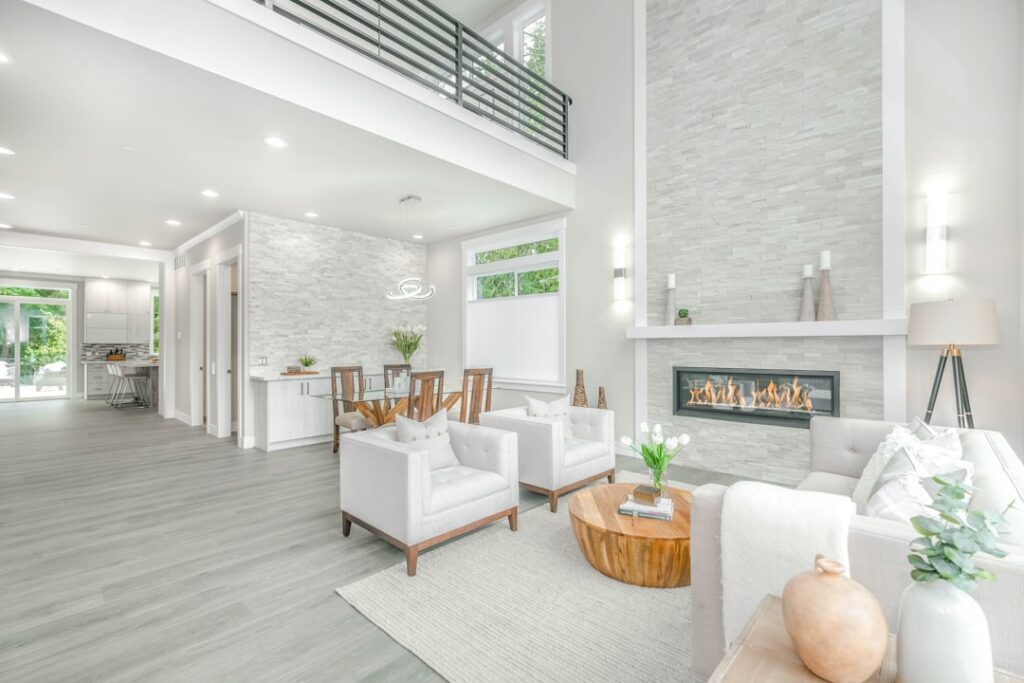
Neutral does not have to mean boring, and the proof is on the floor. A beige and brown rug takes two of the most livable colors in decorating and layers them into something with genuine warmth and depth — the tonal richness of a sandy shore, a coffee-and-cream palette, or the earthy gradient of desert stone. Because both colors are grounded, forgiving neutrals, this pairing works in virtually any room and with virtually any style, from modern to farmhouse to boho. And unlike a single flat neutral, the two-tone combination gives the floor movement and interest without introducing a single risky color. Here is how to make it look intentional and rich rather than plain.
Why Beige and Brown Belong Together
Beige and brown are natural relatives — beige is essentially a pale, softened brown, so the two share the same warm DNA and blend seamlessly. That kinship is exactly why the combination reads as sophisticated tonal layering rather than a clash. The lighter beige keeps the palette airy and open, while the deeper brown adds contrast, grounds the design, and hides dirt in the high-traffic center of a room. Together they create the tonal depth that makes a neutral rug feel considered instead of default.
The pairing is also endlessly practical. It flatters wood floors and furniture, camouflages everyday soil and pet hair better than a pure ivory, and provides a warm, calming foundation that never fights the rest of the room. It is the definition of a rug you will not tire of.
Matching Undertones for a Cohesive Look
Even within warm neutrals, undertones matter. Beige can lean pink, yellow, or gray, and brown can lean red, gold, or cool taupe. The most harmonious beige and brown rugs keep both colors in the same undertone family — warm beige with warm brown, cooler greige with cool taupe-brown. When the undertones align, the rug looks rich and intentional; when a pink-beige meets a cool ashy brown, the result can feel slightly muddy.
Match the rug’s undertone to your room, too. A room with honey oak floors, cream walls, and brass accents wants a warm, golden beige-and-brown rug. A room with gray-washed floors and cooler furniture is better served by a greige-and-taupe version. Hold a swatch against your existing surfaces in daylight before committing.
Patterns That Suit the Palette
Because both colors are calm, a beige and brown rug can carry more pattern than a bolder scheme without overwhelming a room. The pattern is where you set the style:
- Moroccan and diamond/trellis: beige ground with brown geometric lines reads modern-boho and relaxed
- Persian and vintage-style: intricate brown-on-beige medallions bring a traditional, collected feel
- Abstract and watercolor: soft blends of beige and brown add contemporary movement
- Striped and bordered: clean beige-and-brown stripes suit coastal and modern-farmhouse rooms
- Solid with tonal texture: a beige rug with brown flecks or a high-low carved design keeps it minimal but interesting
Because the colors are subtle, even a busy pattern stays easy to live with — a real advantage if you love pattern but do not want it to dominate.
Best Rooms for a Beige and Brown Rug
This is a genuine go-anywhere combination. In the living room, it grounds the seating and provides a warm, neutral stage for colorful pillows and art. In the bedroom, the soft palette reinforces a restful mood. Dining rooms benefit from the brown’s ability to hide crumbs and spills. Home offices and hallways get warmth and dirt-hiding practicality. The palette even works in transitional and outdoor-adjacent spaces when made in a weather-resistant fiber.
The only real caution is a very light beige in a high-traffic entry, where grit shows fast — in that case, lean on a design with more brown in the field to disguise soil.
Styling With Warm Neutrals
A beige and brown rug is a foundation, so decide whether you want the room to stay serenely tonal or use the rug as a base for color. For a calm, layered look, echo the palette in your furnishings — a linen sofa, a leather chair, oatmeal drapes, wood and rattan textures — and let the whole room feel like a warm, monochromatic hug. For more energy, treat the rug as a neutral base and add accent color through pillows and art: terracotta, olive green, navy, or mustard all pop beautifully against beige and brown.
Texture keeps a neutral room from reading flat. Mix a smooth rug with nubby, tactile elements — a chunky throw, a jute basket, a boucle chair — so the space has depth. Repeating one warm metal (brass or aged bronze) across lighting and hardware adds polish and reinforces the warm palette.
Material and Durability
Match the fiber to the room’s traffic and your budget:
- Wool: soft, resilient, naturally stain-resistant, and renders beige and brown with rich depth; a lasting investment
- Polypropylene and polyester: affordable, stain- and fade-resistant, and widely available in warm neutral patterns — ideal for families and pets
- Jute and natural fiber: the beige-and-brown palette is a natural match for jute’s earthy tone; great texture, but keep it dry
- Wool-jute blends: combine softness with natural texture for a layered, high-end neutral look
Use a rug pad under any of them to cushion the pile, prevent slipping, and extend the rug’s life.
Care and Maintenance
The two-tone palette is forgiving — the brown hides soil and the pattern breaks up wear — but light beige areas still benefit from regular care. Vacuum weekly to lift grit before it grinds into the fibers, and rotate the rug a couple of times a year so foot traffic and sun exposure wear it evenly. Blot spills immediately with mild soap and water, working from the outside in; never rub, which spreads the stain and mats the pile.
Many synthetic and cotton beige-and-brown rugs spot-clean easily and some smaller ones are machine-washable — check the label. Wool versions deserve gentler products and a professional deep clean every year or two. Keeping the beige portions clean is mostly a matter of consistency: a no-shoes habit and a good pad do more than any product.
Common Mistakes to Avoid
Mismatched undertones — a warm beige fighting a cool brown — is the subtle error that makes a neutral rug feel off; keep both colors in the same warm or cool family. Choosing a flat, textureless design and expecting richness is the second; lean on pattern or texture for depth. Picking too light a beige for a busy space invites visible dirt. And as always, buying too small undercuts the effect — size the rug to get at least the front furniture legs on it.
A beige and brown rug is the quiet overachiever of the neutral world: warm, layered, dirt-hiding, and compatible with almost any style or color you put around it. Match the undertones, choose a pattern that sets the mood, add texture, and it will anchor the room beautifully today and still look right years from now.