Ask any interior designer for the single most versatile floor covering, and beige lands near the top of the list every time. A beige living room rug works with nearly any wall color, sofa fabric, and design style, which is exactly why it remains the default choice for homeowners who want warmth without commitment. The catch is that not all beige is created equal, and the wrong undertone or the wrong size can quietly sabotage a room. Here is how to choose one that pulls your space together.
Why Beige Is So Popular
Beige occupies the comfortable middle ground between stark white and heavy brown. It reads as warm and inviting rather than cold or clinical, and it hides the everyday grime of a living room far better than a pure white or cream. That practicality is a big part of its enduring appeal in family spaces.
The color also acts as a neutral foundation that lets other elements shine. Bold artwork, a colorful sofa, or patterned pillows all pop against a calm beige backdrop. And when you inevitably redecorate, a beige rug survives the change, adapting to a new palette instead of forcing a full replacement.
Understanding Beige Undertones
This is where most people go wrong. Beige is not a single color; it carries undertones that dramatically change how it looks in your room:
- Pink or red undertones — Warm and cozy, but can clash with cool gray walls.
- Yellow or gold undertones — Sunny and traditional, great with warm woods and creams.
- Gray undertones (greige) — Modern and cool, the safest match for contemporary gray-based rooms.
- Green undertones — Organic and earthy, suited to natural, biophilic spaces.
Before buying, order a sample or bring a swatch home and view it under your own lighting at different times of day. A beige that looks perfect under showroom halogens can turn pink or muddy in your north-facing living room. Match the undertone to your walls and largest furniture pieces for a cohesive result.
Choosing the Right Size
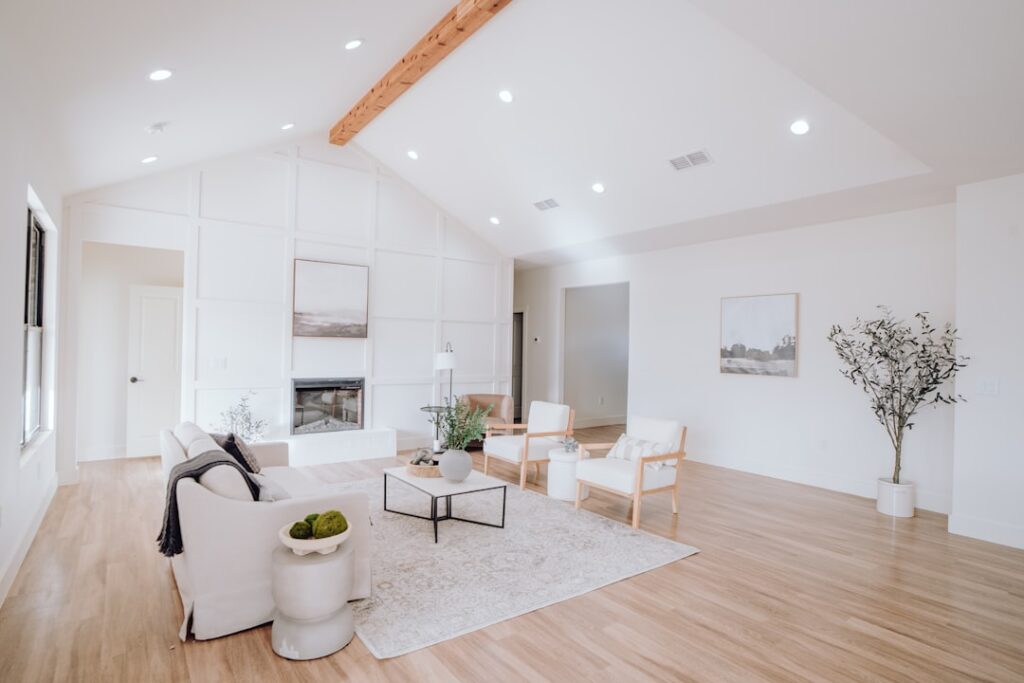
Size is the most common rug mistake, and it is almost always too small. A rug that floats in the middle of the floor with furniture marooned around it makes the whole room feel disjointed. For most living rooms, aim for a rug large enough that at least the front legs of your sofa and chairs rest on it.
As a rough guide, a 5×8 suits a small apartment living room, an 8×10 fits most standard rooms with the front legs of furniture on the rug, and a 9×12 anchors a large room with all furniture legs on the surface. Leave 10 to 18 inches of bare floor between the rug’s edge and the walls to frame the space. When in doubt, size up; a slightly larger rug almost always looks better than one that is too small.
Materials and Durability
A living room sees heavy traffic, so the fiber matters as much as the color. Wool is the premium choice, naturally soft, resilient, and stain-resistant, and it can last decades with care. Polypropylene and other synthetics cost far less, resist stains well, and clean up easily, making them ideal for homes with kids and pets.
Natural fibers like jute and sisal add texture and an organic look, but they are harder to clean and can feel rough underfoot, so they suit lower-traffic or layered applications better. For plush comfort, look at high-pile or shag beige rugs, but remember that deep piles trap more dirt and crumbs and require more frequent vacuuming.
What a Beige Living Room Rug Costs
Pricing spans a broad range. Budget synthetic beige rugs in an 8×10 start around $150 to $350. Mid-range machine-made wool blends run $400 to $900. Hand-knotted wool or premium natural fiber rugs of that size can reach $1,500 to $4,000 or more depending on knot density and craftsmanship.
Do not overlook the rug pad. A quality pad adds $30 to $100 depending on size, but it prevents slipping, protects your floor, extends the rug’s life by absorbing foot impact, and adds a noticeably plusher feel. Skipping it is a false economy that shortens the life of an expensive rug.
Styling a Beige Rug
Because beige is neutral, you have freedom to build the room in almost any direction. For a warm, layered look, pair it with cream, camel, and natural wood tones plus textured throws. For contrast, set it against a deep navy or charcoal sofa so the rug reads bright and clean by comparison.
Add visual interest through pattern and texture rather than more color if you want a serene space. A subtle tonal pattern, a low-relief geometric, or a natural fiber weave keeps a beige rug from feeling flat without overwhelming the room. Layering a smaller patterned rug or a hide over a large beige base is another designer trick that adds depth in casual and bohemian spaces.
Adding Interest Without Losing the Neutral
The knock against beige is that it can read flat or boring, but that only happens when the rug is a single solid tone with no texture. The fix is to build in visual interest while keeping the overall neutral effect. Texture is your most powerful tool. A high-low pile, a carved geometric pattern, or a natural fiber weave catches light and creates subtle shadow lines that give the rug depth without introducing a competing color. From across the room it still reads as a calm beige, but up close it has character.
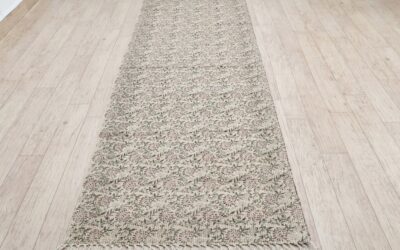
Tonal patterns are the second lever. Look for beige rugs that blend two or three closely related shades, a slightly darker taupe against a lighter cream, in a subtle Moroccan diamond, a faded medallion, or an abstract watercolor design. These patterns hide dirt even better than a solid beige and keep the eye engaged. Border details, a fringed edge, or a faint stripe add a tailored touch. If you want a bit more life, a rug with hints of a warm accent, soft rust, muted gold, or gentle gray woven through the beige, bridges neutral and color without committing to a bold statement. The trick is restraint: let the beige remain dominant so the rug still functions as a flexible foundation. Layer texture and tone rather than piling on contrast, and you get a beige rug that feels rich and designed instead of builder-grade plain.
Keeping a Beige Rug Clean
The honest downside of beige is that it shows some stains, so a cleaning routine matters. Vacuum weekly to lift grit before it grinds into the fibers, and blot spills immediately with a clean cloth rather than rubbing, which spreads the stain. Keep a fiber-appropriate spot cleaner on hand for red wine, coffee, and pet accidents.
For synthetics, most spills release easily and some flatweave beige rugs are machine washable. Wool benefits from professional cleaning every one to two years. Rotate the rug periodically so traffic patterns and sun exposure wear evenly. Handled this way, a beige living room rug stays fresh and inviting for years, delivering the warm, flexible foundation that makes it the most reliable rug color you can buy.