Few floor coverings blend durability and understated style as well as berber, and berber carpet patterns are the reason so many homeowners keep coming back to it. Named for the hand-woven rugs of North African Berber tribes, today’s berber carpet patterns range from the classic looped fleck to sophisticated multi-level sculpted textures that hide footprints and mask everyday wear. Understanding how these patterns are built helps you match the right carpet to the right room and budget.
- What Makes a Carpet "Berber"
- The Classic Flecked Loop
- Level Loop Versus Multi-Level Loop
- Popular Berber Pattern Styles
- Choosing Patterns by Room and Traffic
- Fiber Types and How They Affect the Look
- Color and Fleck Density Considerations
- Installation and Seam Planning
- Care Tips to Keep Patterns Sharp
- Making the Final Decision
What Makes a Carpet “Berber”
Berber refers to a construction style, not a single look. Instead of cut fibers standing straight up like plush or Saxony carpet, berber uses continuous loops of yarn pulled through the backing and left uncut. That loop structure is what gives the surface its dense, pebbled feel and its reputation for toughness. Because the tips of the fibers are never sheared, there are fewer exposed ends to crush, fray, or show traffic lanes.
The traditional version features small dark flecks scattered across a lighter neutral background, a nod to the natural, undyed wool of the original rugs. Modern manufacturing has expanded that palette dramatically, but the tight-loop DNA remains the common thread across every berber style you will shop.
The Classic Flecked Loop
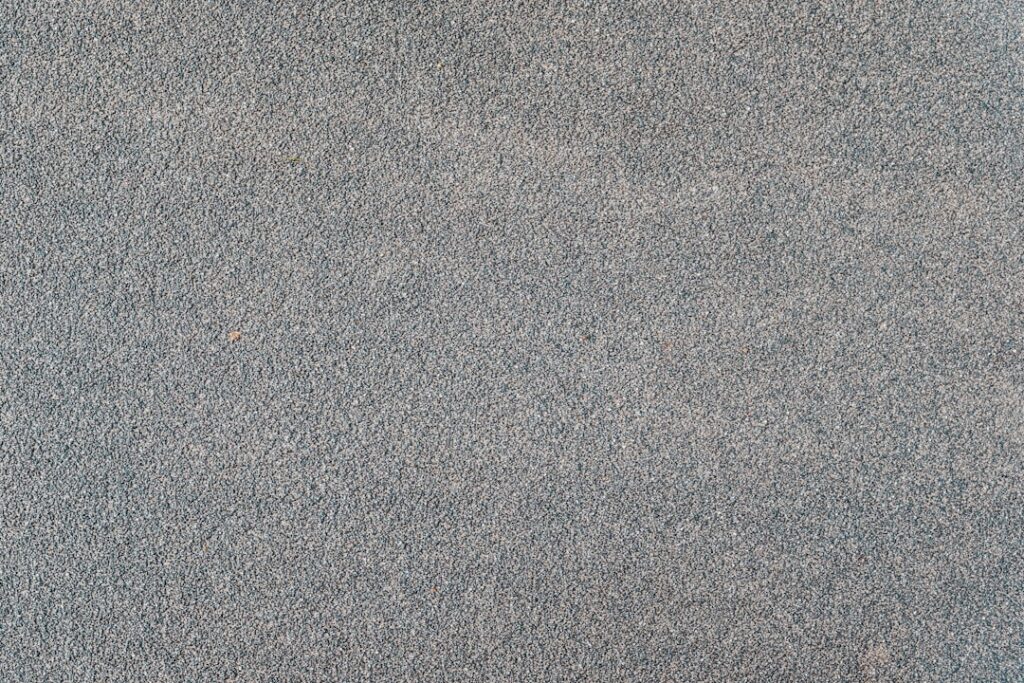
The pattern most people picture when they hear “berber” is the flecked or speckled loop. A base color, often ivory, oatmeal, tan, or gray, is dotted with tiny contrasting specks of charcoal, brown, or navy. Those flecks are functional as well as decorative: they camouflage crumbs, pet hair, and minor stains between vacuuming, which is why this pattern remains a favorite for basements, family rooms, and rental properties.
Flecked berber typically runs $2 to $5 per square foot for the carpet alone, making it one of the more economical choices on the market. Olefin (polypropylene) versions sit at the low end, while wool and premium nylon flecks command the higher prices.
Level Loop Versus Multi-Level Loop
Two structural pattern categories define how a berber feels underfoot. In a level-loop berber, every loop is cut to the same height, creating a smooth, uniform surface that is exceptionally easy to clean and ideal for rolling chairs, walkers, and heavy foot traffic. Commercial spaces lean heavily on level loop for exactly this reason.
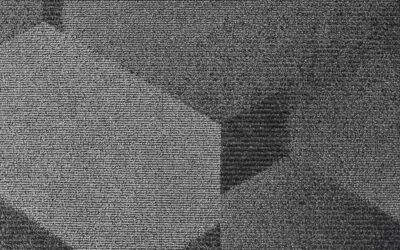
Multi-level loop carpet, sometimes called sculpted or patterned berber, varies the loop height across the surface. Taller and shorter loops are arranged to form subtle geometric designs, pin-dot textures, or wave-like patterns. These height differences catch light differently and add visual depth without introducing bold color. Expect to pay a small premium, roughly $3 to $6 per square foot, for the added design complexity.
Popular Berber Pattern Styles
Beyond the fleck, manufacturers produce a wide vocabulary of looped designs. Knowing the names helps when you are comparing samples in a showroom.
- Pin-dot: Tiny raised loops in a repeating dot grid, giving a refined, almost tweed-like appearance that works well in offices and formal rooms.
- Geometric: Diamonds, squares, and lattice shapes formed by loop-height variation, adding architectural interest to hallways and stairs.
- Sisal-look: Fine, tightly ribbed loops that mimic natural woven sisal for a coastal or organic aesthetic, minus the scratchy feel.
- Cut-and-loop: A hybrid that combines cut tufts with uncut loops to sculpt swirls, trellises, or floral motifs into the pile.
- Random fleck: The traditional multi-tone speckle, still the best-selling and most forgiving option for busy households.
Choosing Patterns by Room and Traffic
Match the pattern to how the space is used. A tight, low-profile level loop with a busy fleck shrugs off the abuse of an entryway, mudroom, or teenager’s bedroom. In a formal living room or primary suite where comfort matters more than punishment, a softer multi-level loop or cut-and-loop pattern feels more luxurious underfoot while still resisting matting.
Stairs deserve special attention. A subtle geometric or fine pin-dot reads cleaner on risers than a large-scale motif, which can look chopped up when it wraps around each step. Whatever you choose, request an extra 5 to 10 percent of material to account for pattern matching and seams, especially with directional designs.
Fiber Types and How They Affect the Look
The yarn behind the pattern changes both appearance and lifespan. Olefin is stain- and moisture-resistant and holds bright flecked colors well, but it crushes faster under heavy furniture and can develop a matted “traffic path” in five to seven years. Nylon costs more, roughly 20 to 40 percent above olefin, yet it springs back better and keeps sculpted patterns crisp for a decade or longer with proper care.
Wool remains the premium option, delivering rich natural flecks and a plush hand, but it carries a $7 to $12 per square foot price tag and needs gentler cleaning. Triexta, a newer polyester derivative, splits the difference with strong stain resistance and decent resilience at a mid-range cost.
Color and Fleck Density Considerations
Two berbers with the same base color can read completely differently depending on fleck density. A heavily speckled carpet with dense, high-contrast flecks hides soil aggressively and suits mudrooms and pet zones, but it can feel busy in a calm bedroom. A sparse, low-contrast fleck reads almost solid from across the room while still offering just enough camouflage for occasional crumbs.
Undertone matters too. Cool grays pair with contemporary furnishings and blue or green walls, while warm tans and oatmeals flatter wood tones and traditional decor. Because looped construction reflects light in tight rows, berber can appear a half-shade lighter or darker as you walk around it, so always evaluate a large sample from multiple angles before committing.
Installation and Seam Planning
Looped berber demands a skilled installer. The tight construction makes seams more visible than in cut-pile carpet, so seams should be planned to fall in low-traffic areas and run parallel to the main light source whenever possible. Directional and geometric patterns require careful alignment across seams, which is exactly why the extra 5 to 10 percent material allowance matters.
Pair berber with a firm, dense pad no thicker than about 3/8 inch. A soft, tall cushion lets the loops flex too much, which stresses the backing and can pop loops loose over time. On stairs, a firm pad is non-negotiable for both safety and appearance.
Care Tips to Keep Patterns Sharp
Looped construction has one well-known vulnerability: snags. A single pulled loop can run, so keep pet claws trimmed and avoid vacuums with aggressive rotating beater bars, which can catch and yank loops loose. Use a suction-only setting or a vacuum with an adjustable-height brush.
- Vacuum high-traffic areas twice a week to prevent grit from grinding down the loops.
- Blot spills immediately with a clean white cloth rather than rubbing, which distorts the pattern.
- Trim, never pull, any loop that snags; scissors stop a run instantly.
- Schedule professional hot-water extraction every 12 to 18 months to lift embedded soil from the dense pile.
Making the Final Decision
Bring home at least three physical samples and view them in the actual room across morning and evening light, since flecks and sculpted textures shift noticeably with the angle of the sun. Set the samples on the floor rather than holding them at eye level, because carpet always reads darker underfoot. Weigh the pattern against your household reality: pets, kids, and heavy chairs favor tight, busy, forgiving designs, while low-traffic showcase rooms can carry a more delicate sculpted look.
Done right, a well-chosen berber pattern quietly anchors a room for a decade or more, delivering the rare combination of resilience, easy maintenance, and timeless neutral style that keeps this construction a mainstay of American homes.