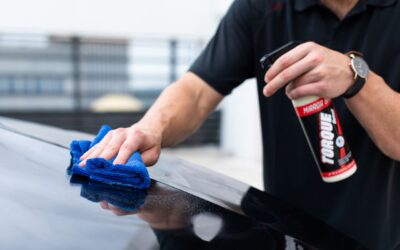
Car carpet takes a beating that home carpet never sees: mud, road salt, spilled coffee, food crumbs, and baked-in heat that sets stains fast. Finding the best car carpet cleaner for your situation depends less on chasing one magic product and more on matching the type of cleaner to the type of mess. The right approach gets a daily driver looking detailed-fresh without a trip to the shop.
This guide walks through the main categories of car carpet cleaners, what each does well, and how to actually clean your car’s carpet and floor mats for the best result.
Types of Car Carpet Cleaners
Auto detailing products generally fall into a few categories, each suited to a different level of mess:
- Spray-and-wipe foaming cleaners: Aerosol or trigger-spray foams that lift surface dirt and light stains. Best for routine cleaning and quick touch-ups.
- Concentrated all-purpose cleaners (APC): Diluted with water and applied with a brush. Versatile and economical for moderate dirt across carpet, mats, and upholstery.
- Enzyme and odor cleaners: Target organic stains and smells like food, pet messes, and spills, breaking down the source rather than masking it.
- Carpet extractor solutions: Used with a machine that injects cleaner and vacuums it back out, pulling deep dirt from the fibers.
For most people, a foaming cleaner or a diluted APC handles everyday upkeep, while a portable extractor delivers the deepest results for set-in grime.
What to Look For When Choosing
Rather than relying on marketing claims, evaluate cleaners on a few practical points. Look for a product safe for automotive carpet and upholstery, one that does not leave a sticky residue that attracts more dirt, and one with a neutral or pleasant scent that does not overpower the cabin. For odor issues, an enzyme-based formula outperforms a fragrance cover-up.
Consider whether you want a ready-to-use spray for convenience or a concentrate for value. Concentrates cost more upfront but go much further. And always check that the cleaner is appropriate for any specialty surfaces in your vehicle.
Machines: Extractors and Wet/Dry Vacs
For deep cleaning, a machine changes everything. Portable carpet extractors, often used by detailers, spray solution into the carpet and immediately vacuum it back out along with the loosened dirt. Compact home units start around $100 to $200, while professional detailing extractors cost more. They are the single biggest upgrade for stained, heavily soiled carpet.
If you do not own an extractor, a good wet/dry vacuum paired with a brush and cleaner still does an admirable job. The key is removing the moisture and loosened dirt rather than just pushing it deeper into the padding.
How to Clean Car Carpet Step by Step
Whatever cleaner you choose, technique drives the result:
- Remove the floor mats and clear out trash and large debris.
- Vacuum thoroughly, using a crevice tool to reach under seats and along edges.
- Pre-treat stains by spraying cleaner and letting it dwell for a few minutes.
- Agitate with a soft detailing brush, working in small sections.
- Wipe away the lifted dirt with a microfiber towel, or extract it with a machine.
- Rinse lightly if needed, then blot up excess moisture.
- Open the doors or run the fan to dry the carpet fully before closing the car up.
Drying matters more than people think. Leaving carpet damp in a closed cabin invites mildew and musty odors, so always ventilate until it is dry to the touch.
Handling Tough Stains and Odors
Different stains respond to different treatments. Greasy or oily spots need a degreasing APC and patience. Coffee, soda, and food stains usually lift with a foaming cleaner and agitation. For biological stains and lingering smells, reach for an enzyme cleaner and give it time to work, since enzymes need dwell time to break down the source.
Road salt leaves white residue in winter. Clean it with a damp cloth and mild cleaner before it crusts and stains. Always test any cleaner on a hidden spot first to make sure it does not lighten or damage the carpet color.
DIY Cleaner vs. Store-Bought
You do not always need a commercial product. A simple homemade solution handles light, everyday cleaning surprisingly well: a mix of warm water with a small amount of mild dish soap, applied with a brush and blotted out, lifts ordinary dirt and refreshes fabric carpet. For odors, a light pass with diluted white vinegar followed by blotting and full drying neutralizes many smells without synthetic fragrance.
That said, commercial cleaners earn their place for tougher work. Dedicated automotive foams and concentrates are formulated to be safe on car carpet, to rinse cleanly without sticky residue, and to tackle the greasy, ground-in soil that home mixes struggle with. Enzyme cleaners in particular outperform any DIY recipe on biological stains and set-in odors because they break the source down chemically.
The practical approach is to keep a homemade spray for routine touch-ups and reserve a quality store-bought cleaner, plus an enzyme product, for deep cleans and problem stains. Whatever you use, test it on a hidden area first, since some carpets and dyes react to certain solutions.
Cleaning Floor Mats Separately
Floor mats take the worst abuse, so cleaning them separately from the carpet gets better results. Pull them out and shake or vacuum loose dirt first. Rubber and all-weather mats can be hosed down, scrubbed with a brush and mild cleaner, rinsed, and left to air-dry completely before going back in the car.
Carpeted mats clean much like the cabin carpet: vacuum, pretreat stains, agitate with cleaner and a brush, blot or extract, and dry thoroughly. The advantage of treating mats on their own is that you can be more aggressive and rinse more freely outside the vehicle, then dry them fully in the open air. Just make sure they are bone-dry before reinstalling, since damp mats trap moisture against the cabin carpet and breed odor.
Keeping Car Carpet Clean Longer
The best defense is a set of quality all-weather floor mats, which catch the worst of the mud, salt, and spills and pop out for easy rinsing. Vacuum every couple of weeks, deal with spills immediately before they set, and keep a small spray bottle of cleaner in the trunk for quick fixes. With the right car carpet cleaner and a regular routine, you can keep your interior looking and smelling fresh without paying for professional detailing every season.