Not every carpet job requires cleaning the whole house. Maybe the family room took the brunt of a party, the nursery needs a fresh start, or a home office looks dingy while the rest of the house is fine. One room carpet cleaning is the practical answer, and it is cheaper, faster, and easier than tackling an entire floor. Whether you hire a pro or rent a machine, a single room can be deep cleaned and dry within a day. I have done dozens of single-room cleans, and the key to a good result is treating one room with the same care you would give a full job, just scaled down.
This guide covers what one room typically costs, the DIY-versus-professional decision, the methods available, and how to get results that actually last.
What One Room Carpet Cleaning Costs
Pricing depends on room size, carpet condition, and whether you hire out or do it yourself. Professionals usually price per room or per square foot, with most single rooms up to about 200 square feet falling in a predictable range.
- Professional service: Roughly $40 to $80 for one average room, though many companies enforce a minimum service charge of $75 to $125 regardless of how few rooms you book.
- Machine rental: About $30 to $40 per day plus $20 to $30 for solution, so $50 to $70 total for a DIY clean.
- Owning a machine: $150 to $400 upfront, which makes sense if you clean often.
- Add-ons: Stain protection or deodorizing typically adds $10 to $25.
Because of minimum charges, hiring a pro for just one room can feel pricey per square foot, which is why many homeowners choose to rent for single-room jobs.
DIY or Hire a Professional?
For a single room, the math often favors doing it yourself. A rental machine costs about the same as one room of professional service without the minimum-charge penalty, and one room is a manageable size for a first-timer. DIY makes sense for routine refreshing, light-to-moderate soiling, and general maintenance.
Call a professional when the room has severe pet urine contamination, deep-set stains, delicate wool or antique fibers, or water damage. Pros bring truck-mounted extraction with far more heat and suction than any rental, which means deeper cleaning and faster drying. For one heavily damaged room, the higher price can be worth it.
Cleaning Methods Explained
Understanding the main methods helps you pick the right one for your one room carpet cleaning project and set realistic expectations for drying time.
Hot Water Extraction (Steam Cleaning)
The most thorough method and the industry standard. It sprays hot water and detergent deep into the pile, then extracts the dirty water. Excellent for deep cleaning, though it leaves carpet damp for several hours.
Low-Moisture Encapsulation
Uses a special solution that crystallizes around dirt so it can be vacuumed away once dry. Dries in about an hour, making it great for a room you need back in service quickly.
Dry Compound Cleaning
Spreads an absorbent compound that binds to dirt and is then vacuumed up. Nearly no drying time, ideal for lightly soiled rooms or when you cannot wait.
Bonnet Cleaning
A rotating pad absorbs surface dirt. Fast and low-moisture, but it only cleans the top of the pile, so it is a maintenance clean, not a deep one.
Step-by-Step for a DIY Single Room
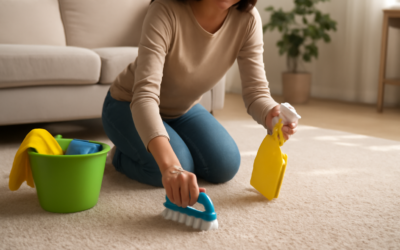
Doing one room well follows the same discipline as a whole house. Clear the room of furniture, or plan to work around and under it carefully. Vacuum the entire floor thoroughly, going over traffic lanes several times to lift loose grit. Pre-treat stains and traffic paths with a spot remover and let it dwell for 5 to 10 minutes.
Fill your machine with hot water and the correct amount of solution, then work in slow, overlapping passes, spraying on the forward stroke and extracting on the pull-back. Finish with one or two dry-suction passes with the water off to pull out extra moisture. Plan your route so you clean toward the door and never walk across the wet carpet you just finished.
Getting the Room Dry Fast
Soggy carpet is the top complaint after a single-room clean, and it invites musty odor and re-soiling. Extra dry passes make the biggest difference. After cleaning, open the window, run a ceiling or box fan aimed across the floor, and use a dehumidifier if your climate is humid. Keep foot traffic off until the carpet is dry to the touch, usually 6 to 12 hours for extraction and as little as one hour for low-moisture methods. Place foil or plastic tabs under furniture legs if you must move pieces back before the floor is fully dry, so you avoid rust and stain transfer.
Common Mistakes to Avoid
- Skipping the vacuum: Cleaning over loose dirt just makes mud. Always vacuum first.
- Over-wetting: Too much water soaks the pad and backing, causing odor and slow drying.
- Too much detergent: Residue attracts dirt and makes the carpet re-soil quickly.
- Rushing extraction: Slow passes remove more water and dirt than fast ones.
- Replacing furniture too soon: Wet carpet under furniture can stain or grow mildew.
Keeping the Room Clean Longer
A single-room clean lasts longer with a little upkeep. Place a walk-off mat at the room’s entrance if it connects to a high-traffic area, vacuum twice a week, and blot spills immediately before they set. Applying a carpet protector after cleaning helps repel future spills and stains, buying you more time between deep cleans. With these habits, one thorough clean can keep a room looking fresh for six months to a year.
Preparing the Room Before You Start
A little setup makes the whole job go faster and cleaner. Move small furniture out entirely and lift larger pieces you cannot remove, placing foil or plastic tabs under the legs so metal feet do not rust-stain the damp carpet. Pick up toys, cords, and floor clutter, and pin up any draperies that touch the floor.
Take a moment to note where stains and heavy traffic lanes are so you can pre-treat them specifically. Open a window and set up a fan before you begin, so drying starts the moment you finish. If the room has a closet, test your cleaning solution on the carpet inside it first to confirm colorfastness. Five minutes of prep prevents the most common single-room headaches, from stained furniture feet to a floor that takes two days to dry.
How Often to Deep Clean a Room
Frequency depends on how the room is used. A formal living room or guest bedroom may only need a deep clean once a year, while a family room with kids and pets benefits from every three to six months. Manufacturers of many carpets recommend professional or deep cleaning every 12 to 18 months to keep warranties valid, so check your paperwork. Between deep cleans, prompt spot treatment and regular vacuuming do most of the work of keeping a single room looking fresh.
The Bottom Line
One room carpet cleaning is an affordable, manageable project that most homeowners can handle themselves for $50 to $70 with a rental machine, or hire out for $40 to $80 plus any minimum charge. Choose hot water extraction for a deep clean or a low-moisture method when you need the room back fast. Whichever route you take, the fundamentals hold: vacuum first, pre-treat stains, extract slowly, and dry the room quickly with fans and airflow. Nail those steps and a single room comes out fresh, fully cleaned, and back in use the same day, without the cost or hassle of doing your entire home.