Carpet hides its dirt well, which is exactly the problem. By the time it looks visibly grimy, it’s holding a surprising amount of embedded soil, oils, and allergens down at the base of the fibers. Knowing how to clean dirty carpet the right way, not just running a vacuum over the surface, restores the color, texture, and freshness you thought were gone for good and extends the life of the carpet by years. This guide walks through everything from routine care to deep cleaning and tough stains, plus the mistakes that make carpet look dirtier faster.
Start With a Thorough Vacuum
Every real carpet cleaning begins with dry soil removal, and most people rush it. Up to 80 percent of the dirt in a carpet is dry, gritty soil that acts like sandpaper on the fibers and grinds them dull. Vacuum slowly, making multiple passes in different directions, and don’t hurry, one quick pass barely touches what’s down in the pile. Use the beater bar or brush roll on cut-pile carpet to agitate and lift embedded grit, but turn it off for delicate loop or wool carpets that can snag. For high-traffic areas, go over the same spot several times, and empty the bag or bin before it’s full so suction stays strong. Vacuum at least weekly, and twice a week in busy households with kids or pets.
Tackle Stains Before Deep Cleaning
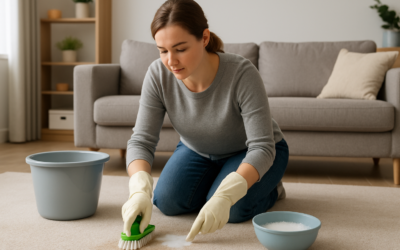
Spot-treat individual stains before you deep-clean the whole carpet, since deep cleaning can set an untreated stain permanently. The universal rule is to blot, never rub, working from the outer edge of the stain inward so you don’t spread it. Rubbing frays the fibers and drives the stain deeper. A few reliable treatments:
- General spills: A mix of one teaspoon mild dish soap in a cup of warm water, blotted on and then blotted dry.
- Coffee, wine, and juice: Blot up as much as possible, then treat with a solution of white vinegar and water (about one part vinegar to two parts water) and blot.
- Pet accidents: An enzymatic cleaner is the only thing that fully breaks down the proteins and eliminates odor so pets don’t re-mark.
- Grease and oil: Sprinkle baking soda or cornstarch to absorb, let it sit, vacuum, then treat with a little dish soap solution.
Always test any solution on a hidden corner first, and blot from the edges inward. Patience beats scrubbing every time.
Deep Clean With a Carpet Machine
For overall dinginess, a deep clean with a carpet extractor (hot water extraction, often called steam cleaning) is the most effective method. You can rent a machine from a home center or buy a home model. The process:
- Vacuum thoroughly first to remove dry soil.
- Pre-treat traffic lanes and stains and let the solution dwell for several minutes.
- Fill the machine with hot water and the recommended carpet cleaning solution, avoiding overdosing detergent, which leaves residue that attracts dirt.
- Work in overlapping rows, spraying solution on the forward pass and pulling back slowly to extract.
- Make dry passes (extraction only, no spray) over each area to pull out as much moisture as possible.
- Dry the carpet fully with fans and open windows, aiming for under 24 hours.
The single biggest mistake here is over-wetting. Too much water and detergent leaves the carpet soggy, encourages mildew, and leaves a sticky residue that makes the carpet re-soil quickly. Less solution and more extraction passes give better, longer-lasting results.
The Baking Soda and Vinegar Refresh
Between deep cleans, a simple home treatment freshens carpet and lifts light grime and odor. Sprinkle baking soda generously over the carpet, let it sit for 15 minutes to several hours to absorb odors, then vacuum thoroughly. For a deeper refresh, lightly mist a solution of equal parts white vinegar and water over a spot, let it dwell briefly, and blot. Vinegar neutralizes odors and helps lift residue, and the smell dissipates as it dries. This low-cost routine is safe for most carpets and a good habit for pet owners.
Avoid These Common Mistakes
Some well-meaning efforts actually make carpet worse. Steer clear of the following:
- Rubbing stains, which frays fibers and spreads the mark. Always blot.
- Using too much soap, which leaves residue that grabs dirt so the carpet looks dingy again within days.
- Over-wetting, which invites mildew and can damage the backing and padding.
- Cleaning before vacuuming, which turns dry soil into mud.
- Skipping a patch test, which risks discoloring the carpet with an incompatible cleaner.
When to Call a Professional
DIY handles routine maintenance and most stains, but some situations warrant a pro. Deeply soiled carpets, set-in old stains, extensive pet damage, and delicate wool or specialty carpets benefit from professional hot-water extraction, which uses truck-mounted equipment far more powerful than any rental. Manufacturers often recommend professional cleaning every 12 to 18 months to maintain warranties and keep carpet fresh. A professional clean typically costs $25 to $75 per room or roughly $0.20 to $0.40 per square foot, a reasonable price to reset a whole home’s carpet and remove allergens a home machine can’t reach.
Keep It Clean Longer
Once your carpet is clean, a few habits keep it that way. Place walk-off mats at entrances to catch grit before it reaches the carpet, adopt a no-shoes rule in carpeted rooms, and treat spills the instant they happen rather than letting them set. Vacuum consistently, rotate furniture occasionally so wear spreads evenly, and use a fabric protector after deep cleaning to help fibers resist future stains. Consistent light maintenance always beats waiting until the carpet looks filthy and needs rescuing.
The Bottom Line
Cleaning a dirty carpet comes down to a clear sequence: vacuum thoroughly, spot-treat stains by blotting from the edges in, deep-clean with hot water extraction while avoiding over-wetting and excess soap, and refresh between cleans with baking soda. Know when a delicate or badly soiled carpet needs a professional, and prevent future grime with mats and quick spill response. Follow that routine and even a tired, dirty carpet can look and smell close to new again.