Carpet takes a daily beating from foot traffic, spills, pet hair, and the dust that settles deep into its fibers, which is why knowing how to clean a carpet livpristwash the right way keeps it looking fresh and helps it last for years. The good news is that most carpet care is simple and doesn’t require expensive equipment. Routine vacuuming, prompt spot cleaning, and periodic deep cleaning are all it takes to keep your carpet soft, bright, and free of trapped dirt and odors. This guide breaks down each method step by step so you can choose the right approach for any situation.
- Why Regular Carpet Cleaning Matters
- Step 1: Vacuum the Right Way
- Step 2: Treat Spills and Stains Immediately
- Step 3: Tackle Common Stains
- Step 4: Deep Clean Periodically
- Step 5: Dry the Carpet Thoroughly
- DIY vs. Renting vs. Hiring a Pro
- Carpet Cleaning Mistakes to Avoid
- Tips to Keep Carpet Cleaner Longer
- Final Thoughts
Why Regular Carpet Cleaning Matters
Carpet acts like a giant filter, trapping dust, allergens, pet dander, and grit. Left unaddressed, that buildup wears down the fibers from the inside, dulls the color, and holds onto odors. Embedded grit is especially damaging, acting like sandpaper underfoot every time someone walks across the room. Regular cleaning not only keeps your carpet looking good, it protects your investment and improves the air quality in your home.
Step 1: Vacuum the Right Way
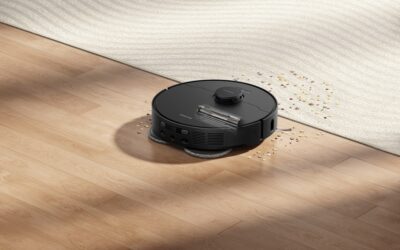
Vacuuming is the foundation of carpet care, and most people don’t do enough of it. Aim to vacuum high-traffic areas at least twice a week and the whole carpet weekly. For the best results:
- Set the vacuum height to match your carpet pile so the brush reaches the fibers without flattening them.
- Go slowly and make several passes, especially in high-traffic lanes.
- Vacuum in different directions to lift dirt from all sides of the fibers.
- Empty the bin or change the bag before it’s completely full to maintain suction.
A vacuum with a HEPA filter helps capture fine allergens rather than blowing them back into the room.
Step 2: Treat Spills and Stains Immediately
The single most important rule of stain removal is speed. The faster you address a spill, the more likely it lifts out completely. Always blot, never rub, because rubbing pushes the stain deeper and frays the fibers. Follow this approach:
- Blot up as much of the spill as possible with a clean, dry white cloth or paper towel.
- Mix a gentle cleaning solution, such as a small amount of mild dish soap in warm water.
- Apply the solution to a clean cloth, not directly to the carpet, and blot from the outside of the stain inward.
- Rinse by blotting with a cloth dampened in plain water to remove soap residue.
- Press a dry towel over the spot to absorb moisture, then let it air-dry.
Always test any cleaning solution on a hidden area first to make sure it won’t discolor the carpet.
Step 3: Tackle Common Stains
Different messes respond to different treatments. For greasy stains, a little dish soap in water cuts the oil. For coffee, juice, or wine, a solution of water with a small amount of white vinegar often helps lift the color. For pet accidents, an enzyme-based cleaner breaks down the proteins that cause lingering odor. Whatever the stain, blot rather than scrub, work from the edges inward, and avoid soaking the carpet, which can damage the backing and lead to mildew.
Step 4: Deep Clean Periodically
Vacuuming and spot cleaning handle the surface, but carpet needs a deep clean every 12 to 18 months to remove embedded dirt. You have two main options:
- Steam cleaning (hot water extraction): A machine sprays a hot water and cleaning solution into the carpet, then extracts the dirty water. You can rent a machine or buy one for occasional use.
- Professional cleaning: Pros use powerful equipment and experience to deep-clean and remove tough stains, ideal for heavily soiled carpets or delicate fibers.
If you deep-clean yourself, don’t over-wet the carpet and make sure it dries fully to prevent mildew. A typical professional carpet cleaning runs roughly $100 to $300 in current USD depending on the number of rooms and the condition.
Step 5: Dry the Carpet Thoroughly
Moisture is the enemy after any deep clean. A carpet that stays damp too long can grow mildew and develop musty odors. Speed drying by opening windows, running fans, and turning on a dehumidifier. Keep foot traffic off the carpet until it’s completely dry, which can take several hours to a day depending on conditions.
DIY vs. Renting vs. Hiring a Pro
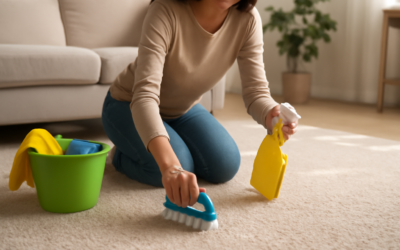
When it’s time to deep-clean, you have three paths. Cleaning by hand with a spray cleaner and a brush works for small areas and light soiling but is slow for whole rooms. Renting a carpet cleaning machine from a hardware or grocery store, often around $30 to $50 per day in current USD plus solution, gives you serious extraction power for a fraction of professional cost, and it’s a good fit for moderately dirty carpets if you’re willing to do the work. Hiring a professional costs more but delivers the deepest clean, faster drying, and expertise with tough stains and delicate fibers. For heavily soiled carpet, pet damage, or high-value rugs, the professional route is usually worth it. For routine maintenance cleaning, a rental machine does the job well.
Carpet Cleaning Mistakes to Avoid
- Rubbing stains, which spreads them and damages the fibers; always blot instead.
- Over-wetting the carpet, which can soak the backing and breed mildew.
- Using too much cleaning solution, leaving a sticky residue that attracts dirt fast.
- Skipping the rinse step, which lets soap residue build up and dull the carpet.
- Walking on the carpet before it’s fully dry, which re-soils it and can leave marks.
- Applying an untested cleaner that discolors or bleaches the fibers.
Tips to Keep Carpet Cleaner Longer
- Place doormats at entrances and ask family to remove shoes to cut down on tracked-in dirt.
- Use area rugs or runners in high-traffic paths.
- Rotate furniture occasionally so wear and crushing spread evenly.
- Address spills the moment they happen rather than letting them set.
Final Thoughts
Learning how to clean a carpet comes down to a simple rhythm: vacuum often, treat spills fast by blotting rather than rubbing, and deep-clean every year or so to pull out what regular cleaning misses. Test cleaners before you use them, never over-wet the fibers, and dry the carpet thoroughly afterward. Stick to these habits and your carpet will stay fresh, soft, and looking its best for many years.