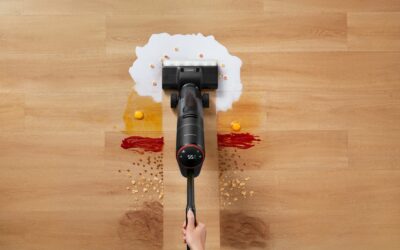
A floor steamer can revolutionize the way you clean your home. Instead of relying on harsh chemicals, steam cleaners use nothing but superheated water vapor to dissolve grime, kill bacteria, and leave your floors sparkling. But not every steamer works equally well on every surface, and using the wrong one on the wrong floor can cause serious damage.
After researching dozens of models and testing their performance across multiple floor types, we have compiled a ranked guide to the best floor steamers available. Whether you have tile flooring, sealed vinyl, or laminate, there is a steamer here that fits your needs and budget.
How Floor Steamers Work
Floor steamers heat water in an internal boiler to temperatures between 200 and 212 degrees Fahrenheit. The resulting steam travels through a mop pad and onto the floor, loosening dirt, dissolving grease, and sanitizing surfaces without chemicals. Most units are ready to use within 30 seconds to two minutes of filling the tank.
The key metrics that differentiate steamers include heat-up time, steam output measured in grams per minute, tank capacity, pad quality, and whether the unit offers variable steam control. Higher-end models allow you to dial the steam intensity up or down depending on the floor type, which is critical for protecting sensitive surfaces.
Which Floors Are Safe for Steam Cleaning
Safe for Steam
Sealed tile and grout floors are the best candidates for steam cleaning. Ceramic and porcelain tile can handle high heat without issue, and steam does an excellent job blasting dirt out of grout lines. Sealed concrete, sealed stone, and most vinyl sheet flooring also tolerate steam well, provided you keep the mop moving and do not hold it in one spot.
Use With Caution
Laminate flooring can handle occasional steam cleaning if you use the lowest setting and move quickly, but repeated exposure to moisture can cause swelling at the seams. The same goes for luxury vinyl plank and LVP flooring with click-lock joints. The steam itself is fine on the surface, but moisture seeping into seams can cause problems over time.
Avoid Steam Entirely
Hardwood flooring is the most vulnerable to steam damage. The combination of heat and moisture can warp boards, cloud finishes, lift edges, and even cause permanent cupping. Whether your hardwood is solid or engineered, manufacturers almost universally warn against steam mopping. Unsealed stone, unsealed concrete, and unfinished wood are also off-limits because steam can penetrate the porous surface and cause staining or structural damage.
Best Floor Steamers Ranked
1. Bissell PowerFresh Steam Mop
The Bissell PowerFresh has earned its reputation as the most reliable mid-range steam mop on the market. It heats up in about 30 seconds, offers three steam settings (low, medium, high), and comes with a flip-down scrubber for stubborn spots. The 16-ounce tank provides roughly 15 to 20 minutes of continuous steam, which is enough to clean most rooms without refilling.
What sets the PowerFresh apart is its Smart Set Digital Steam Control. The low setting produces a gentle mist suitable for sealed vinyl and laminate, while the high setting generates enough steam to power through baked-on kitchen grease on tile floors. The included scent discs are a nice bonus, leaving a fresh fragrance as you clean.
Best for: Tile, sealed vinyl, and occasional laminate use. Price range: $80 to $100.
2. Shark S3501 Steam Pocket Mop
Shark is known for lightweight, maneuverable cleaning tools, and the S3501 is no exception. Weighing just under six pounds, it glides across floors with minimal effort. The dual-sided Steam Pocket pads are a standout feature. Each pad has two usable sides, effectively doubling your cleaning area before you need to swap pads.
The Shark heats up in roughly 30 seconds and delivers consistent steam output. It does not offer variable steam settings on this model, which means you get one steam intensity level. For tile and sealed hard floors, this is more than adequate. However, the lack of a low setting makes it less ideal for moisture-sensitive surfaces like laminate.
Best for: Tile and sealed hard floors. Price range: $50 to $70.
3. McCulloch MC1275 Heavy-Duty Steam Cleaner
The McCulloch MC1275 is not a traditional mop-style steamer. It is a canister unit with a long hose and multiple attachments, making it one of the most versatile steam cleaners you can buy. The 48-ounce tank heats up in about eight minutes and delivers up to 45 minutes of continuous steam at pressures up to 43 PSI.
This unit excels at deep cleaning grout lines, bathroom tile, and hard-to-reach corners. The included floor attachment works well for general mopping, but the real value lies in the detail nozzle and brush attachments for targeted cleaning. If you have extensive tile throughout your home and want a single unit that handles floors, counters, and bathrooms, the McCulloch is hard to beat.
Best for: Heavy-duty tile and grout cleaning, multi-surface use. Price range: $90 to $120.
4. PurSteam ThermaPro 10-in-1 Steam Mop
The PurSteam ThermaPro combines an upright steam mop with a detachable handheld steamer, giving you floor cleaning and above-floor cleaning in one package. It heats up in roughly 30 seconds and offers variable steam control via a dial on the handle.
The mop pad does a solid job on tile and sealed hard floors. The handheld mode, complete with a grout brush and window squeegee, adds genuine versatility. Build quality is a step below the Bissell and Shark, but at a lower price point, the PurSteam offers excellent value for homeowners who want a multi-purpose steamer.
Best for: Budget-conscious buyers who want floor and handheld functionality. Price range: $40 to $60.
5. Bissell SpinWave + PowerFresh Pet
For pet owners dealing with tracked-in mud, hair, and occasional accidents, the Bissell PowerFresh Pet edition includes a built-in scrubber and odor-eliminating pads. The rotating pads spin at high RPM to scrub stuck-on messes while steam sanitizes the surface. It is particularly effective on textured tile where dirt gets trapped in the grooves.
Best for: Pet owners with tile or sealed hard floors. Price range: $100 to $130.
Key Features to Compare
Heat-Up Time
Most upright steam mops heat up in 30 seconds or less. Canister units like the McCulloch take longer, typically five to ten minutes, but deliver stronger, more sustained steam. If you want quick grab-and-go cleaning, an upright is the way to go.
Tank Size and Runtime
Upright mops have smaller tanks, usually 10 to 20 ounces, providing 12 to 20 minutes of steam per fill. Canister units hold 40 to 60 ounces and run 30 to 45 minutes. Consider the size of the area you need to clean regularly.
Variable Steam Control
This is arguably the most important feature. Variable steam lets you dial down intensity for delicate surfaces and crank it up for tough grime on tile. Models without this feature lock you into a single steam level, which limits versatility.
Pad Quality and Availability
Check that replacement pads are easy to find and reasonably priced. Microfiber pads are the standard and can be machine washed dozens of times before needing replacement. Some brands sell proprietary pads that cost more to replace.
Tips for Getting the Best Results
Always vacuum or sweep before steam mopping. Loose debris under the mop pad can scratch floor surfaces. Start with the lowest steam setting and increase only if needed. Move the steamer steadily across the floor rather than holding it in one spot, which concentrates moisture and heat.
For grout cleaning, hold the steamer over the grout line for three to five seconds, then scrub with a brush attachment. Repeat in sections for the best results. Clean the mop pad frequently during use, as a saturated pad will just push dirty water around instead of picking it up.
Use distilled water in your steamer to prevent mineral buildup inside the boiler. Tap water contains minerals that can clog the steam nozzle over time and reduce performance. Most manufacturers recommend descaling the unit every few months even when using distilled water.
Floor Steamer Maintenance
After each use, empty any remaining water from the tank and leave the cap off so the interior can dry completely. This prevents mildew and mineral deposits. Wash the mop pads in the washing machine after every one to two uses, and replace them when they start to thin or lose absorbency.
Every 20 to 30 uses, run a descaling solution through the unit to clear mineral deposits from the boiler and steam channels. Some brands sell proprietary descaling tablets, but a solution of equal parts white vinegar and distilled water works just as well. Fill the tank, let it heat up, and steam the solution through the nozzle into a sink or towel.
Steam Mop vs Traditional Mop
The biggest advantage of a steam mop is chemical-free sanitization. Steam at 200-plus degrees kills 99.9 percent of common household bacteria without any cleaning products. This makes steamers ideal for homes with children, pets, or anyone with chemical sensitivities.
Traditional mops with cleaning solution still have their place, particularly on hardwood floors where steam is not recommended. A damp mop with a pH-neutral hardwood cleaner remains the safest way to clean wood floors. For tile, sealed vinyl, and other steam-safe surfaces, a steamer is faster, more hygienic, and more effective at deep cleaning.
Frequently Asked Questions
Can I use a floor steamer on vinyl plank flooring?
Most vinyl plank manufacturers advise against steam mopping because moisture can seep into the click-lock seams. If your vinyl plank is glued down with sealed seams, a quick pass on a low steam setting is generally safe. Always check your flooring warranty before using steam.
How often should I steam clean my floors?
For tile floors in high-traffic areas, once a week is ideal. For lower-traffic rooms, every two to three weeks is sufficient. Laminate and vinyl should be steamed no more than once a month to minimize moisture exposure.
Do floor steamers damage grout?
Steam will not damage sealed grout. However, if your grout is cracked or unsealed, steam can push moisture into the gaps and cause the grout to deteriorate faster. Seal your grout before steam cleaning if it has not been sealed in the last year or two.
Is steaming better than mopping for allergies?
Yes. Steam kills dust mites and bacteria without introducing chemical fumes that can irritate allergies and asthma. The high heat also denatures many common allergens on contact.
Final Verdict
For most households, the Bissell PowerFresh offers the best combination of performance, versatility, and value. Its variable steam settings make it safe for a wide range of floor types, and the build quality ensures years of reliable service. If you need heavy-duty cleaning power for extensive tile and grout, step up to the McCulloch MC1275 canister unit. For budget shoppers, the PurSteam ThermaPro delivers impressive versatility at an entry-level price.
Whatever you choose, remember the golden rule of steam cleaning: when in doubt, check your flooring manufacturer’s guidelines before applying steam to any surface. The right steamer used on the right floor will keep your home cleaner and healthier without a single drop of chemical cleaner.
Prefer to explore on your own?
See how new flooring looks in your actual room in seconds — free, no signup.
Try the free Floor Studio →