
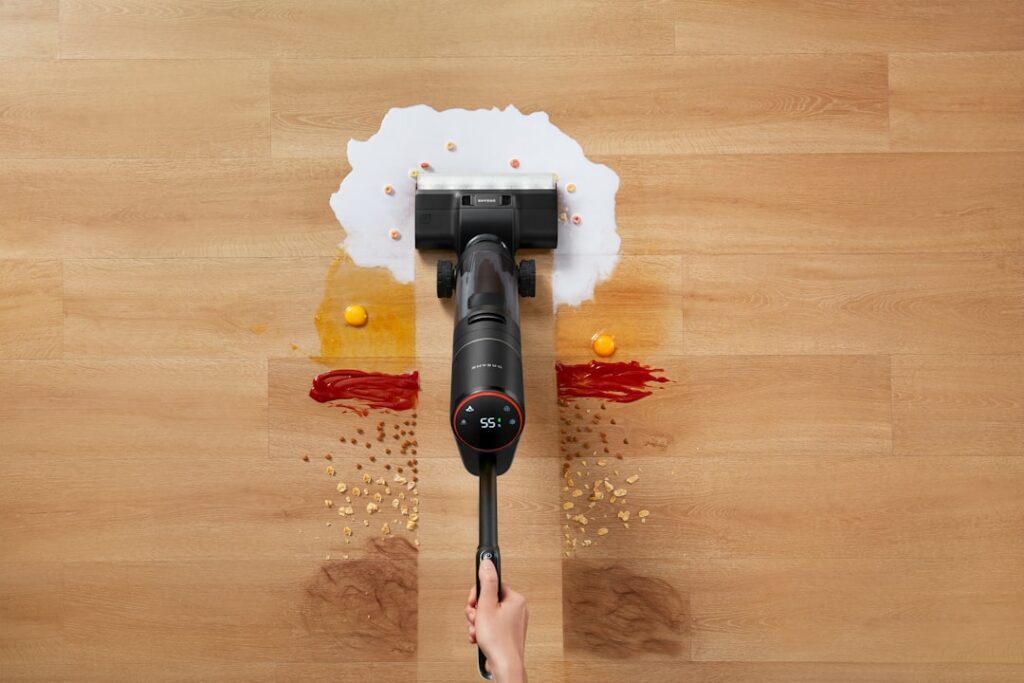
Steam mops have changed the way many households clean hard floors, and the Shark floor steamer is one of the most recognized names in the category. These corded steam mops heat water into vapor and push it through a washable microfiber pad, lifting dirt and sanitizing sealed surfaces without chemical cleaners. They are quick, lightweight, and effective, but they are not right for every floor. Knowing which surfaces tolerate steam and how to use the unit correctly is the key to clean floors without damage.
How a Shark Floor Steamer Works
A Shark steam mop holds a small water tank, usually filled with plain tap or distilled water rather than cleaning solution. An internal heater rapidly turns that water into steam, which is released through the head into a microfiber cleaning pad. The combination of heat and moisture loosens stuck-on grime and dried spills, while the hot vapor helps sanitize the surface. You simply glide the mop across the floor and the dirt transfers into the pad, which you then toss in the washing machine.
Most models heat up in about 30 seconds and offer an on-demand steam trigger or a steady steam mode, so you control how much moisture hits the floor.
Which Floors Are Safe to Steam
This is the most important thing to get right. Steam mops are designed for sealed, water-resistant hard floors, including:
- Sealed ceramic and porcelain tile
- Sealed natural stone (when the manufacturer allows it)
- Sealed, finished hardwood used sparingly and quickly
- Many luxury vinyl floors, if rated steam-safe by the flooring maker
Steam works because these surfaces resist water for the brief moment moisture is present.
Floors to Avoid
Do not use a steam mop on unsealed wood, unsealed stone, or laminate flooring. Laminate is especially vulnerable: it has a fiberboard core that swells permanently when moisture penetrates the seams, and steam can void the floor’s warranty. Unsealed or waxed hardwood can cloud, warp, or have its finish damaged by heat and moisture. If you have any doubt about whether your floor is properly sealed, test the steamer in a hidden corner first or check with your flooring manufacturer before steaming the whole room.
How to Use a Shark Floor Steamer
Getting good results is simple if you follow a few steps:
- Sweep or vacuum first to remove loose dirt and grit that the mop would otherwise drag around.
- Attach a clean microfiber pad and fill the tank with water; distilled water reduces mineral buildup.
- Plug in and let the unit heat fully before you begin.
- Work in sections, moving the mop slowly and steadily so steam has time to loosen grime.
- Keep the mop moving on heat-sensitive floors and never let it sit steaming in one spot.
- Swap pads when one gets soiled, and empty any remaining water after use.
Maintenance and Care
A little upkeep keeps the steamer working well. Empty the water tank after every use to prevent stagnant water and mineral scale. Wash the microfiber pads in the machine without fabric softener, which can coat the fibers and reduce absorbency. If you live in a hard-water area, periodically descale the unit according to the manual, and using distilled water from the start will minimize buildup. Store the cord loosely coiled to avoid kinks.
Tips for the Best Results
Replace worn pads when they stop picking up dirt effectively; a fresh pad makes a noticeable difference. For stubborn dried spills, hold the steamer over the spot for a few seconds to soften it, then wipe, but only on floors rated to handle a brief pause. Keep a couple of clean pads on hand so you never have to interrupt a job. And remember that a steam mop sanitizes and refreshes but is not a substitute for deep grout scrubbing or addressing heavy stains.
Steam Mop vs. Traditional Mop
It is worth understanding what a steam mop does and does not replace. Compared to a traditional bucket-and-mop, a steam mop uses far less water, leaves floors nearly dry within minutes, and sanitizes with heat instead of chemicals, which is a real advantage for households with kids, pets, or allergies. There is no dirty mop water to slop around, and no detergent residue left behind to attract dirt.
That said, a steam mop is not a cure-all. It refreshes and sanitizes sealed floors but will not deep-scrub heavily soiled grout, lift set-in stains, or substitute for occasional hands-and-knees cleaning in problem areas. Think of it as your fast, everyday maintenance tool rather than your once-a-year deep clean. Many homeowners keep both, using the steamer for regular upkeep and reaching for traditional methods when a floor needs serious attention.
Troubleshooting Common Issues
If your steam mop is not performing, a few simple checks usually solve it. When the unit produces little or no steam, confirm there is water in the tank, that it has fully heated, and that the nozzle is not clogged with mineral scale, which calls for descaling. Weak steam in a hard-water home is almost always a buildup problem that distilled water and periodic descaling will fix.
Streaky floors usually mean a dirty pad that is just smearing grime around, so swap in a clean one and the streaks typically disappear. If the floor stays wet too long, you may be using too much steam or moving too slowly; ease off the trigger and pick up the pace. And if the mop glides poorly, check that the pad is seated correctly and not bunched. None of these issues are serious, and most trace back to water quality, pad cleanliness, or technique.
The Bottom Line
A Shark floor steamer is a fast, chemical-free way to clean and sanitize sealed hard floors, especially tile. The key is using it only on water-resistant, sealed surfaces and keeping it off laminate and unsealed wood or stone. Sweep first, use clean pads, empty the tank after each use, and you will get streak-free floors with very little effort.
Prefer to explore on your own?
See how new flooring looks in your actual room in seconds — free, no signup.
Try the free Floor Studio →

