Scrubbing grout lines on your hands and knees with a toothbrush and bleach is one of the most thankless jobs in the house, and the results rarely last. A steam cleaner changes the equation entirely. The best steamer to clean grout blasts dirt, mold, and soap scum out of those narrow lines with nothing but superheated water, lifting grime that chemicals only mask. No bleach fumes, no scrubbing yourself raw, and grout that actually comes back to its original color.
Part of our Tile & Grout guide — explore the full guide →
This guide covers what to look for, the attachments that matter, and specific models that deliver on dirty tile and grout.
Why Steam Works So Well on Grout
Grout is porous, which means dirt and mold settle down into the surface where a surface wipe never reaches. Steam succeeds because it does two things at once: the heat sanitizes while the pressurized vapor penetrates the pores and forces debris up and out.
Most quality steamers heat water to around 200°F to 245°F, hot enough to loosen baked-on grime, kill mold spores, and dissolve soap scum. Because you are using only water, there is no chemical residue left in the porous grout to attract dirt later, which is why steamed grout stays cleaner longer than bleached grout.


Handheld vs Floor Steamers
The right form factor depends on where your grout lives. Both types clean grout, but they suit different jobs.
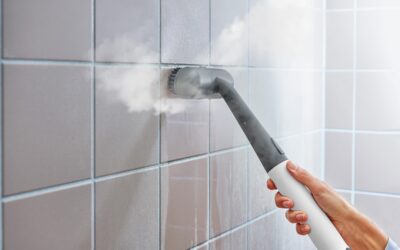
- Handheld steamers: Compact and pressurized, ideal for vertical surfaces like shower walls, backsplashes, and bathroom tile. The concentrated nozzle and detail brushes get right into the lines.
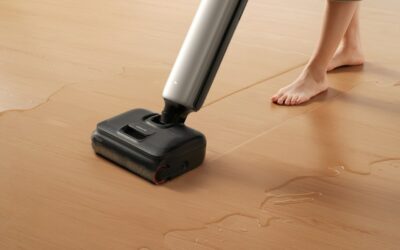
- Steam mops with detail tools: Better for large tile floors. Many convert to a handheld unit or include a hose and grout brush for the lines between floor tiles.
- Cylinder/canister steamers: The most powerful, with a large water tank and a range of attachments for whole-house deep cleaning.
Features That Matter for Grout
Not every steamer tackles grout well. A few specs separate the effective ones from the underpowered.
- Pressure (bar or PSI): Higher pressure drives steam deeper into grout. Look for units rated around 3 to 4 bar or more for serious grime.
- A detail/grout brush attachment: The small nylon or brass brush is the single most important accessory. It mechanically agitates while steam loosens.
- Continuous vs pressurized steam: Pressurized handhelds deliver short, powerful bursts; continuous-fill units run longer for big jobs.
- Tank size and heat-up time: Larger tanks mean fewer refills; faster heat-up (under 30 seconds for handhelds) saves time.
Top Picks by Category
These models consistently earn their keep on tile and grout.
Best Handheld for Bathrooms
The McCulloch MC1275 ($90 to $130) is a heavy-duty handheld with 4 bar of pressure, an 18-piece accessory kit including grout brushes, and a 48-ounce tank that runs for 45 minutes. It is a workhorse for shower tile and backsplashes.
Best Budget Handheld
The Bissell SteamShot ($35 to $50) is the entry point. It includes a grout brush and angle nozzle, heats in about 3 minutes, and handles small bathroom jobs well, though the smaller tank means frequent refills.
Best for Tile Floors
The Dupray Neat or a Bissell PowerFresh steam mop with a detail-tool kit lets you steam large floor areas and switch to a handheld grout brush for the lines.
How to Steam Grout Effectively
Technique matters as much as the machine. Rushing leaves dirt behind, and a simple two-pass method gets the best result.
- Sweep or vacuum the surface first so steam does not just push loose dirt around.
- Fit the grout or detail brush and let the unit reach full temperature.
- Run the brush slowly along each grout line, letting the steam dwell a second or two on stubborn spots.
- Wipe the loosened grime away immediately with a microfiber cloth before it dries back into the line.
- For heavy mold, make a second pass after the first loosens the surface.
Steam vs Chemical Grout Cleaners
Many homeowners reach for bleach or oxygen-based grout cleaners first, so it helps to understand where steam wins and where it does not. Chemical cleaners can whiten stained grout fast, but they only sit on the surface, often leave fumes, and the residue can attract dirt back into the porous lines.
Steam removes the dirt physically rather than bleaching it, sanitizes without chemicals, and leaves nothing behind to grab new grime. The tradeoff is that steam will not whiten grout that is permanently stained or has absorbed dye; in those cases you may still need an oxygen bleach soak or, ultimately, regrouting. For routine deep cleaning and mold removal, steam is the healthier, longer-lasting approach. Many people use both: steam for regular maintenance, an occasional oxygen treatment for stubborn discoloration.
Sealing Grout After Steaming
Here is a step most people skip that makes a big difference. Once you have steamed grout truly clean and let it dry fully, applying a penetrating grout sealer locks in the results. Sealer fills the pores so dirt, mold, and spills cannot soak in as easily, which means your hard-won clean lasts months longer.
Use a penetrating (impregnating) sealer rather than a surface coating, apply it with a small brush or applicator bottle along the lines, wipe excess off the tile, and let it cure per the label, usually 24 hours. Resealing once a year keeps grout looking fresh and dramatically cuts how often you need to deep-clean in the first place.
Maintenance and Safety
To keep a steamer working, use distilled or filtered water if you have hard water, which prevents mineral scale from clogging the nozzle. Empty the tank after each use and let it dry, and descale periodically per the manual.
Steam is genuinely hot, so wear closed shoes, keep the nozzle pointed away from skin, and never steam directly over electrical outlets. Test an inconspicuous spot first if your grout is old or unsealed, since very high heat can occasionally affect aging sealant. Used correctly, a good steamer turns grout cleaning from a dreaded chore into a quick, chemical-free job that delivers genuinely impressive results.
Frequently Asked Questions
Can a regular steam mop clean grout lines?
Only partly. A flat steam mop pad glides over the tile faces and skims the top of the grout, but it does not reach into recessed lines. For clean grout, use a steamer with a small nylon grout brush or a jet nozzle, either a handheld unit or a steam mop that converts to one, and work each line slowly before wiping the loosened dirt away with a microfiber cloth.
Can steam cleaning damage grout?
Steam is safe on sound, cured cement grout and sealed ceramic or porcelain tile, but it can loosen grout that is already cracked or crumbling and blow out weak sections. It can also wear down an existing grout sealer, so reseal after a deep steam clean. Avoid steaming unsealed natural stone, and wait until new grout has fully cured, following the grout maker’s instructions.
How often should you steam clean grout?
For shower and bathroom grout, a deep steam clean every one to three months keeps soap scum and mold from building up, with quick weekly wipe-downs in between. Kitchen and entry floors usually need it every two to four months, depending on traffic and spills. Sealed grout stays clean longer, so a yearly reseal stretches the time between deep cleans.
What is the best way to clean grout without a steamer?
A paste of baking soda and water, scrubbed in with a stiff nylon grout brush and rinsed well, handles most everyday grime. For deeper stains, an oxygen bleach solution left to dwell for 10 to 15 minutes before scrubbing lifts discoloration without chlorine fumes. Use one cleaner at a time, rinse between products, and never combine cleaners. Avoid wire brushes, which scratch tile and grout.