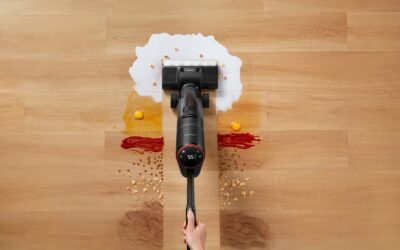
Mopping by hand pushes dirty water around as much as it cleans. That frustration is exactly why a Shark floor cleaner has become a fixture in so many homes. Shark makes a lineup of steam mops and hard floor cleaners designed to lift grime, sanitize sealed floors with heat, and cut the time you spend on your knees with a bucket. Used correctly on the right surfaces, they make routine floor care genuinely easier.
But not every floor loves steam, and using the wrong setting on the wrong surface can cause damage. Here is a clear-eyed guide to the Shark floor cleaner range, where each type works, and how to get the best results.
Types of Shark Floor Cleaners
Shark sells several distinct products under the floor cleaning umbrella. Knowing the difference helps you pick the right one.
- Steam mops: Heat water into steam to clean and sanitize sealed hard floors using only water, no chemicals. Popular models use washable microfiber pads.
- Steam and scrub or steam pocket mops: Add scrubbing pads or grip strips for stuck-on messes.
- Hard floor cleaners and mop systems: Wet-mop systems that apply cleaning solution and pick up dirty water rather than relying on steam.
- Vacuum-and-mop combos: Hybrid units that vacuum debris and mop in one pass.
Which Floors Can You Clean?
Steam is the key variable. Steam mops are designed for sealed hard floors, where the heat and moisture clean effectively without harming the surface.
- Good for steam: sealed tile, sealed natural stone, sealed hardwood, and many vinyl floors rated for steam.
- Use caution: laminate and some vinyl can be damaged by heat and moisture seeping into seams. Check the floor manufacturer’s guidance first.
- Avoid steam: unsealed wood, waxed floors, and any floor not rated for steam, since moisture can warp, dull, or lift the surface.
Always confirm both the Shark model’s instructions and your flooring manufacturer’s recommendations before steaming.
How to Use a Shark Steam Mop
The process is simple, but a few habits make a real difference in results.
- Sweep or vacuum first. Steam mops are not meant to pick up loose debris, so remove crumbs and grit beforehand.
- Fill with water. Most Shark steam mops use plain tap or distilled water. Do not add cleaning chemicals to the steam tank unless the manual specifically allows it.
- Attach a clean pad and let the unit heat up, usually under a minute.
- Mop in slow, overlapping passes. Use the steam control to match the mess, more steam for sticky spots, less for quick maintenance.
- Swap pads when dirty and let the floor air-dry, which happens quickly since steam uses little water.
Safety and Smart Use
Steam is hot, so handle the mop with care and keep it away from skin and pets while in use. Never leave a hot steam mop resting face-down on one spot, as concentrated heat and moisture can dull or damage the finish underneath. Unplug and let the unit cool before emptying the tank or changing pads, and keep the cord clear of the cleaning path.
Care and Maintenance
A little upkeep keeps a Shark floor cleaner performing well.
- Wash the microfiber pads after each use; most are machine washable. Skip fabric softener, which reduces absorbency.
- Empty the water tank after use to prevent mineral buildup and mildew.
- Use distilled water in hard-water areas to limit scale inside the unit.
- Store the mop upright with the head off the floor.
Pros and Cons
Advantages
- Chemical-free cleaning and sanitizing on sealed floors using just water
- Reusable, washable pads cut down on waste
- Fast drying and easy to maneuver
Drawbacks
- Not safe for every floor type, especially unsealed wood and some laminate
- Steam models do not pick up loose debris on their own
- Hard-water areas may need distilled water and periodic descaling
Steam Mop vs. Traditional Mop
A common question is whether a Shark steam mop really beats a regular mop and bucket. The advantages are real: steam loosens grime with heat rather than just water, sanitizes sealed floors without chemicals, dries quickly, and avoids the dirty-water problem of a traditional mop. The reusable microfiber pads also cut down on waste. The trade-offs are that steam mops cannot pick up loose debris, so you still sweep or vacuum first, and they are limited to floors rated for steam. For sealed tile and stone in particular, many homeowners find the steam mop a genuine upgrade over a string mop.
Troubleshooting Common Issues
If your Shark floor cleaner is not producing enough steam, check the water level and make sure the unit has fully heated. Streaking usually means the pad is dirty or saturated, so swap in a clean one. White residue or spotting on the floor often points to hard water, which is solved by switching to distilled water. If the mop feels like it is dragging, the pad may be too wet or the floor may need sweeping first. Mineral buildup inside the tank over time can reduce performance, so empty the tank after each use and use distilled water in hard-water regions.
Getting the Best Cleaning Results
A few simple habits maximize results. Always sweep or vacuum before steaming so the mop is not just pushing crumbs around. Work in slow, overlapping passes rather than rushing, giving the steam time to lift grime. Keep several clean pads ready so you can change them when one gets dirty, since a saturated pad just smears soil. Match the steam level to the mess, using higher steam only for sticky or stubborn spots. And let the floor air-dry fully before walking on it to avoid tracking and slips.
Is a Shark Floor Cleaner Worth It?
For homes with sealed tile, stone, or floors rated for steam, a Shark floor cleaner is a convenient, chemical-light way to keep floors fresh between deep cleans. The key is matching the right model and setting to your specific flooring and following both the appliance and floor manufacturer’s guidance. Do that, sweep first, and keep the pads clean, and you will get sanitized, streak-free floors with far less effort than an old-fashioned mop and bucket.
Prefer to explore on your own?
See how new flooring looks in your actual room in seconds — free, no signup.
Try the free Floor Studio →