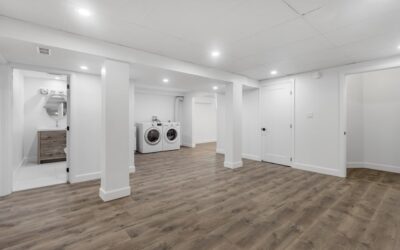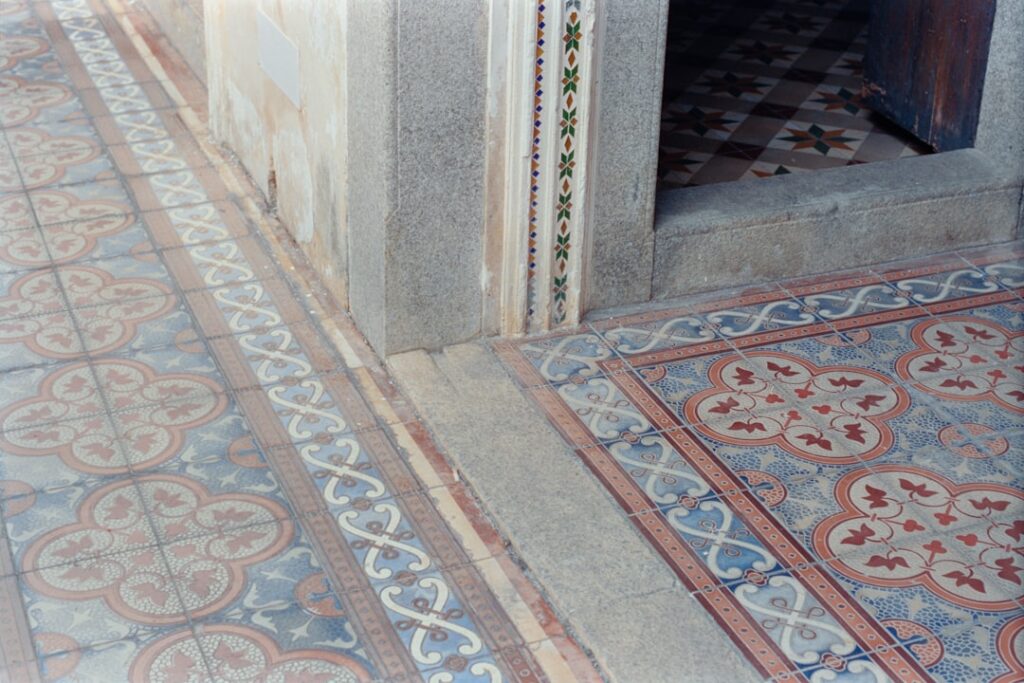
The best flooring for mudroom spaces must survive a daily assault of wet boots, dirty paws, dripping umbrellas, tracked-in mud, salt, sand, and snow melt. It needs to be waterproof, easy to clean, slip-resistant when wet, and tough enough to handle heavy foot traffic without showing wear. Aesthetics matter too — the mudroom is the first thing you see when you come home.
This guide ranks the five best mudroom flooring options based on durability, water resistance, slip resistance, cleaning ease, and style. Each pick includes specific product recommendations, design ideas, and realistic cost expectations.
What Mudroom Flooring Needs
Before choosing the best flooring for mudroom use, understand the unique demands of this space.
| Requirement | Why It Matters | Minimum Standard |
|---|---|---|
| Water resistance | Snow melt, rain, wet boots pool on the floor | Waterproof or near-waterproof |
| Slip resistance | Wet, muddy surfaces become dangerously slick | COF (coefficient of friction) 0.60+ |
| Durability | Boots, cleats, heavy items dropped on the floor | High impact and scratch resistance |
| Easy cleaning | Mud, salt, sand, and dirt tracked in daily | Mop-and-go, no special treatments |
| Stain resistance | Salt stains, mud, pet accidents | Non-porous or sealed surface |
| Temperature tolerance | Unheated or semi-heated space near exterior door | Handles temperature swings |
For more on mudroom-specific considerations, see our mudroom flooring guide.
Pick #1: Porcelain Tile (Slate-Look)
Porcelain tile is the number one choice for mudrooms. It’s virtually indestructible, 100% waterproof, stain-proof, and available in textures that provide excellent slip resistance even when wet. Slate-look porcelain is particularly well-suited — it delivers the natural, organic appearance of real slate with the superior performance characteristics of porcelain.
Why slate-look porcelain wins:
- Waterproof: Less than 0.5% water absorption rate — standing water, snow melt, and mud have zero effect
- Textured surface: Slate-look porcelain has a natural cleft texture that provides slip resistance even when wet with muddy water
- Virtually indestructible: Won’t scratch from boot soles, won’t chip from dropped items (in most cases), won’t stain from road salt or mud
- Easy to clean: Mop with water, done. No sealing, no special cleaners, no maintenance
- Hides dirt: The varied tones and texture of slate-look porcelain conceal dirt and scuffs between cleanings
- Radiant heat compatible: Tile works perfectly with in-floor radiant heating — a luxury upgrade that makes the mudroom comfortable in winter
Recommended products: Look for porcelain tile rated for outdoor or commercial use (PEI 4 or 5) with a textured, non-polished surface. Brands like Daltile, MSI, and Florida Tile offer excellent slate-look options. Choose 12×24 or larger formats with rectified edges for a modern look with narrow grout lines.
Cost: $3 to $10 per square foot for materials, $6 to $12 per square foot installed.
Learn more in our tile flooring guide.
Pick #2: Luxury Vinyl Plank (LVP)
Luxury vinyl plank is the most popular mudroom flooring for homeowners who want a warm, wood-look floor that can handle serious moisture exposure. Products like COREtec Plus and COREtec Pro Plus are specifically designed for high-demand residential spaces.
Why LVP works in mudrooms:
- 100% waterproof: SPC and WPC cores are completely impervious to water — standing water, snow melt, and pet accidents won’t cause any damage
- Comfortable underfoot: Softer and warmer than tile or concrete, especially WPC products with cork-backed underlayment
- Easy DIY installation: Click-lock floating install goes over most subfloors in a day — no thinset, no grout, no mess
- Realistic wood look: Modern LVP is nearly indistinguishable from real hardwood, giving your mudroom a warm, inviting appearance
- Easy to clean: Sweep and mop with any household cleaner
- Affordable: Costs significantly less than porcelain tile when you factor in installation
Limitations in mudrooms: LVP can be scratched by heavy grit (sand, gravel) tracked in on boot soles. A good entry mat and regular sweeping prevent this. Heavy or sharp items dropped from height can dent SPC vinyl. Very cold temperatures (below 40°F) can make SPC vinyl feel quite hard and may affect click-lock performance in unheated mudrooms.
Recommended products: COREtec Plus HD for thick, premium construction; COREtec Pro Plus for commercial-grade wear layer (20 mil+); Shaw Floorte Pro for excellent value. Choose products with a 20-mil or higher wear layer for mudroom durability.
Cost: $3 to $7 per square foot for materials, $5 to $10 per square foot installed.
Explore more in our LVP flooring guide.
Pick #3: Brick Flooring
Brick flooring brings timeless, classic character to a mudroom. It’s the traditional choice for entryways and mudrooms in New England, Colonial, and farmhouse-style homes — and its practical qualities match its aesthetic appeal.
Why brick works in mudrooms:
- Extreme durability: Brick is one of the hardest flooring materials. It handles boot traffic, dropped gear, and heavy loads without damage
- Excellent slip resistance: The naturally rough surface provides grip even when wet, making brick one of the safest mudroom options
- Hides everything: Brick’s varied coloring and textured surface masks dirt, mud, salt stains, and wear marks better than almost any other flooring
- Timeless style: A brick mudroom floor never goes out of style and adds character and warmth to any entryway
- Temperature tolerant: Brick handles freeze-thaw cycles, making it suitable for unheated or semi-heated mudrooms
Limitations: Brick is porous and requires sealing to prevent stain absorption. Sealed brick handles water well, but unsealed brick absorbs moisture. The uneven surface can be uncomfortable underfoot compared to smooth tile or LVP. Grout joints require periodic sealing. Installation is more labor-intensive and expensive than tile or LVP.
Options: Full-thickness brick pavers (2+ inches) for traditional installations over a mortar bed, or thin brick veneer (1/2 inch) for lighter-weight installation over plywood or concrete subfloors. Thin brick veneer is more practical for most residential mudrooms — it installs like tile and doesn’t require a reinforced subfloor.
Cost: $5 to $15 per square foot for materials, $10 to $25 per square foot installed.
See our brick flooring guide for more details.
Pick #4: Polished Concrete
Polished concrete is the ultimate low-maintenance mudroom floor. If your mudroom has a concrete slab subfloor, polishing the existing concrete eliminates the need for any flooring product — saving material cost entirely.
Why polished concrete works in mudrooms:
- Indestructible: Nothing you do in a mudroom will damage polished concrete. Boots, cleats, dropped tools, road salt — concrete handles it all
- Waterproof: Sealed/polished concrete is effectively waterproof. Snow melt and standing water sit on the surface without penetrating
- Easy to clean: Sweep and mop — that’s the entire maintenance routine. Concrete doesn’t stain once properly sealed
- No replacement ever: Concrete doesn’t wear out, chip, or need refinishing in a residential setting. It’s a lifetime floor
- Modern aesthetic: Polished concrete has a sleek, industrial-modern look that works beautifully in contemporary homes
- Radiant heat compatible: Concrete’s thermal mass makes it the ideal partner for radiant floor heating
Limitations: Polished concrete is hard and cold underfoot — adding an area rug at the seating/shoe area helps. It requires professional grinding and polishing equipment (not a DIY project). The final appearance depends on the existing concrete’s condition — cracks, patches, and discoloration may show through or add character depending on your perspective. Polished concrete can be slippery when wet unless a non-slip sealer or additive is used.
Finishing options: Concrete can be polished to various levels of sheen, dyed in a range of colors, scored with decorative patterns, or treated with acid stain for a mottled, organic look. A matte or satin finish provides the best slip resistance for mudrooms.
Cost: $3 to $12 per square foot for grinding, polishing, and sealing an existing concrete slab. This is often cheaper than installing tile or LVP over the same concrete.
Pick #5: Rubber Tile
Rubber tile flooring is the performance-first choice for mudrooms — not glamorous, but incredibly functional. It’s the same material used in gyms, commercial kitchens, and veterinary clinics where water, impact, and heavy traffic are constant.
Why rubber works in mudrooms:
- Superior slip resistance: Rubber provides the best wet traction of any flooring material. It’s virtually impossible to slip on rubber tile, even with wet, muddy boots
- Impact absorption: Rubber absorbs shock from dropped items and provides cushioning underfoot — comfortable for extended standing
- Waterproof: Rubber is completely impervious to water
- Sound absorption: Rubber significantly reduces the noise of foot traffic, dropped items, and door closing
- Easy maintenance: Sweep and mop. Rubber is naturally anti-microbial and resists mold and mildew
- Pet-friendly: Provides traction for dogs, resists scratching, and handles accidents without damage
Limitations: Rubber doesn’t have the visual appeal of tile, hardwood, or brick. Color options are limited (black, gray, brown, and a few accent colors). Rubber can have a noticeable smell when new (off-gassing dissipates within 1 to 4 weeks). It may discolor with prolonged sun exposure.
Best products for mudrooms: Interlocking rubber tiles (easy DIY installation, no adhesive needed), rolled rubber matting (seamless, fewer joints), or rubber pavers (thicker, more cushioned). Choose tiles with a raised surface pattern for maximum drainage and slip resistance.
Cost: $2 to $8 per square foot for materials, $3 to $10 per square foot installed. Interlocking tiles can be installed DIY with zero installation cost.
Side-by-Side Comparison
| Factor | Porcelain Tile | LVP | Brick | Polished Concrete | Rubber Tile |
|---|---|---|---|---|---|
| Water resistance | Excellent | Excellent | Good (when sealed) | Excellent | Excellent |
| Slip resistance (wet) | Very good | Good | Excellent | Moderate | Excellent |
| Durability | Excellent | Very good | Excellent | Excellent | Very good |
| Hides dirt | Very good | Good | Excellent | Good | Good |
| Comfort underfoot | Hard, cold | Moderate | Hard | Hard, cold | Comfortable |
| Style options | Excellent | Excellent | Limited (classic) | Modern only | Very limited |
| DIY installation | Difficult | Easy | Difficult | Not DIY | Easy |
| Installed cost (per sq ft) | $6 – $12 | $5 – $10 | $10 – $25 | $3 – $12 | $3 – $10 |
| Lifespan | 50+ years | 15 – 25 years | 50+ years | Lifetime | 20 – 30 years |
Mudroom Design Ideas
The best flooring for mudroom spaces also creates a welcoming first impression. Here are design ideas that combine function with style.
Slate-look porcelain with dark grout: A dark, textured porcelain floor with matching grout creates a rugged, earthy foundation that hides everything while looking sophisticated. Pair with white or light gray walls, open shelving in natural wood, and iron hooks for coats.
Herringbone LVP: A herringbone-pattern vinyl plank in a warm oak tone adds visual interest to a small mudroom. The pattern makes the space feel more intentional and designed, elevating a utilitarian room into something special.
Brick with radiant heat: A classic brick floor with radiant heating underneath creates the ultimate welcoming mudroom. Warm floors meet cold boots, snow melts quickly, and the space feels cozy. Pair with painted shiplap walls and a bench with storage below.
Polished concrete with area rug: Polished concrete in a medium gray with a washable, slip-backed entry rug is the ultimate minimal-maintenance option. The rug catches the worst of the dirt while the concrete handles everything else. Choose a rug with rubber backing for safety.
Rubber tile sport flooring: For families with athletes (cleats, hockey bags, lacrosse gear), rubber tile in a dark color is purely functional and unbeatable for durability. Add bright-colored wall hooks and labeled cubbies for organization.
Drainage Considerations
In serious-use mudrooms (northern climates, households with dogs, active outdoor families), consider adding drainage features.
- Floor drain: If you’re building or renovating, installing a small floor drain in the center of the mudroom allows you to literally hose the floor down. This requires the subfloor to be sloped slightly toward the drain — a detail that must be planned during construction.
- Boot trays: Large, waterproof boot trays collect snow melt and mud, keeping it contained. Rubber or plastic trays are inexpensive and effective.
- Transition threshold: A slightly raised threshold between the mudroom and the main house prevents water from migrating into living spaces. A 1/2-inch marble or aluminum threshold works well.
- Grate entry mat: Commercial-style grate mats at the exterior door catch debris and drain water below the walking surface. They’re far more effective than standard entry mats.
Frequently Asked Questions
What is the most durable flooring for a mudroom?
Porcelain tile and polished concrete are the most durable mudroom flooring options. Both are virtually indestructible in a residential setting, 100% waterproof, and easy to maintain. Polished concrete wins for absolute longevity (lifetime), while porcelain tile offers more design variety.
Is LVP good enough for a mudroom?
Yes. Quality LVP with a 20-mil+ wear layer (like COREtec Plus or Shaw Floorte Pro) handles mudroom conditions well. It’s waterproof, comfortable, attractive, and easy to install. The main limitation is scratch resistance — heavy grit tracked in on boots can scratch the surface over time. Regular sweeping prevents this.
Can you put laminate flooring in a mudroom?
Standard laminate is not recommended for mudrooms due to poor water resistance. Water-resistant laminate (Pergo WetProtect, Mohawk RevWood Plus) can work in a mild-use mudroom but is not ideal for heavy snow, standing water, or frequent wet-boot situations. LVP is the better click-lock option for mudrooms.
Is tile or vinyl better for a mudroom?
Tile is more durable and has a longer lifespan (50+ years vs 15-25 years). Vinyl is more comfortable, cheaper, easier to install DIY, and warmer underfoot. Choose tile if you prioritize long-term performance and can handle the cold, hard surface. Choose vinyl if comfort, budget, and easy installation are priorities.
How do I keep my mudroom floor from getting slippery?
Choose a textured or matte finish rather than smooth or polished surfaces. Porcelain with a textured surface and rubber tile provide the best wet-surface traction. For existing smooth floors, add a high-quality entry mat with rubber backing, and consider applying a non-slip sealer or treatment.
What flooring is best for a mudroom with dogs?
LVP and rubber tile are the best choices for mudrooms with dogs. LVP provides an attractive, waterproof surface that handles paw traffic, water drips, and the occasional accident. Rubber tile offers the best traction for dog paws and the highest impact resistance. Both are easy to clean after muddy walks.
Choose Tough, Clean Easy
The best flooring for mudroom spaces balances durability with your design goals and budget. Porcelain tile is the overall winner for maximum performance. LVP offers the best value with a warm, wood-look aesthetic. Brick delivers unmatched character. Polished concrete is the ultimate zero-maintenance option. And rubber tile provides the best safety and function for high-demand households. Whichever you choose, prioritize water resistance and slip resistance — your mudroom floor will thank you every rainy, snowy, muddy day.
Prefer to explore on your own?
See how new flooring looks in your actual room in seconds — free, no signup.
Try the free Floor Studio →