The mudroom is your home’s first line of defense against the outdoors. Wet boots, muddy shoes, dripping umbrellas, sandy sports equipment, and even dirty paws all pass through this space daily. The right mudroom flooring needs to handle all of it without showing wear, absorbing moisture, or becoming a cleaning nightmare.
This guide covers the best mudroom flooring materials, design ideas, costs, and what to look for when choosing a floor that can take a beating and still look good.
What Your Mudroom Floor Needs to Handle
A mudroom floor faces some of the toughest conditions in your home:
- Water and moisture: Rain, snow, and wet gear drip constantly onto the mudroom floor, especially during fall and winter months.
- Mud, dirt, and sand: Tracked-in debris grinds against flooring surfaces with every footstep, scratching softer materials.
- Heavy foot traffic: The mudroom is one of the most frequently used rooms in the house, often rivaling the kitchen.
- Chemical exposure: Salt, de-icing compounds, fertilizer, and cleaning products all end up on your mudroom floor.
- Temperature swings: Mudrooms near exterior doors experience temperature fluctuations, especially in colder climates.
Best Mudroom Flooring Options
1. Porcelain Tile
Porcelain tile is the gold standard for mudroom flooring. It is nearly indestructible in this application. Porcelain’s extremely low water absorption rate (less than 0.5%) means it will not absorb moisture, stain, or harbor mold regardless of how much water gets tracked in.
For mudrooms, choose a porcelain tile with a textured or matte finish for slip resistance. Large-format tiles (12×24 or larger) minimize grout lines and create a clean, modern look. Porcelain tiles rated PEI 4 or 5 are designed for heavy traffic and will hold up for decades.
The durability of tile flooring is unmatched. It resists scratches from grit, stains from mud, and damage from road salt. Cleaning is as simple as sweeping and mopping. Porcelain tile also works well with radiant floor heating, which is a popular upgrade in mudrooms in colder climates.
2. Luxury Vinyl Plank (LVP)
Luxury vinyl plank is an increasingly popular mudroom flooring choice that offers waterproof performance at a lower price point than tile. SPC vinyl planks have a rigid stone-polymer core that is 100% waterproof and dimensionally stable, even with temperature changes near exterior doors.
LVP is warmer and softer underfoot than tile, making it more comfortable for a room where you stand to put on and take off shoes. It is also quieter and easier to install as a DIY project. Modern LVP comes in convincing wood and stone looks that complement any mudroom design.
Choose LVP with a wear layer of at least 20 mil for mudroom applications. This thicker wear layer handles the abrasion from tracked-in grit and sand without showing scratches. A textured embossed surface adds grip when the floor is wet.
3. Slate
Slate flooring brings a natural, rugged beauty to mudrooms that no manufactured product can replicate. This natural stone is inherently slip-resistant thanks to its cleft (textured) surface, which provides excellent traction even when wet.
Slate is extremely durable and handles heavy traffic well. Its dark, varied tones do an excellent job of hiding dirt and mud between cleanings. Slate’s natural character means each tile is unique, giving your mudroom a distinctive, high-end look.
The downside is that slate requires sealing upon installation and periodic resealing to maintain its stain resistance. Unsealed slate can absorb water and stain. Slate is also heavier than other options, which may require subfloor reinforcement, and it is one of the more expensive choices.
4. Brick
Brick flooring creates a warm, timeless look in mudrooms that pairs beautifully with traditional, farmhouse, and colonial home styles. Brick is extremely durable and stands up to heavy traffic without issue. Its naturally textured surface provides good slip resistance.
Brick pavers designed for interior floor use are thinner and more uniform than exterior bricks, making installation easier. They can be laid in various patterns, including herringbone, basketweave, and running bond, adding visual interest to the space.
Like slate, brick must be sealed to prevent moisture absorption and staining. Brick floors also have deep grout lines that can trap dirt, requiring more effort to keep clean. Despite these maintenance requirements, brick is a durable and attractive mudroom flooring option that lasts a lifetime.
5. Concrete (Sealed, Stained, or Epoxy)
Sealed or finished concrete is the ultimate low-maintenance mudroom floor. If your mudroom is built on a concrete slab, you can polish, stain, or coat the existing concrete for a finished look at a fraction of the cost of other materials.
Concrete is virtually indestructible in a mudroom setting. Water, mud, salt, chemicals, heavy foot traffic, and pet claws cannot damage a properly sealed concrete floor. An epoxy coating adds color, gloss, and even better stain resistance.
Concrete is hard and cold underfoot, but a large area rug at the entry point solves the comfort issue while also trapping dirt. For additional warmth, radiant heating can be installed beneath or within the concrete slab.
Mudroom Flooring Comparison Table
| Flooring Type | Water Resistance | Cost per Sq Ft | Durability | Slip Resistance | Maintenance |
|---|---|---|---|---|---|
| Porcelain Tile | Excellent | $3.00 – $10.00 | Very High | High (textured) | Low |
| LVP (SPC) | Excellent | $2.50 – $6.00 | High | Good | Very Low |
| Slate | Good (sealed) | $5.00 – $15.00 | Very High | Very High | Moderate |
| Brick | Good (sealed) | $5.00 – $12.00 | Very High | High | Moderate |
| Sealed Concrete | Excellent | $2.00 – $8.00 | Very High | Moderate | Very Low |
Mudroom Flooring Design Ideas
Your mudroom does not have to be purely functional. With the right flooring, it can be one of the most stylish spaces in your home.
Classic Black and White Checkerboard
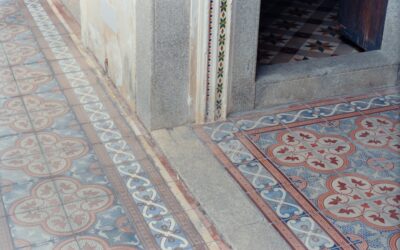
A checkerboard pattern using porcelain or cement tiles creates a timeless look that works with almost any home style. The high-contrast pattern hides dirt effectively and adds visual energy to the space.
Herringbone Pattern
Laying rectangular tiles or LVP planks in a herringbone pattern adds sophistication to a mudroom without extra material cost. This pattern works especially well in narrow or elongated mudroom layouts.
Large-Format Tiles with Minimal Grout
Using large porcelain tiles (24×24 or larger) with thin grout lines creates a clean, contemporary look and is the easiest tile option to keep clean. Fewer grout lines mean fewer places for dirt to accumulate.
Natural Stone Mosaic
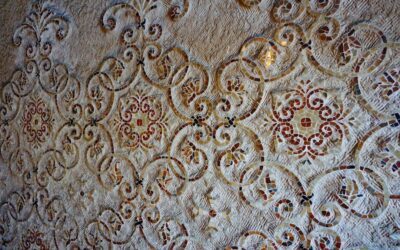
A slate or stone mosaic tile entry mat inlaid into the floor provides a designated shoe area with a built-in decorative element. Surround it with a complementary plain tile for a custom look.
Wood-Look LVP
If you want the warm look of hardwood in your mudroom but need waterproof performance, wood-look LVP delivers both. Choose a rustic or hand-scraped texture that disguises scratches and adds character.
Cost Comparison
Mudroom size varies widely, but most fall between 40 and 100 square feet. Here is what you can expect to spend on materials for a 60-square-foot mudroom:
- Sealed concrete: $120 – $480 (most affordable, especially if concrete subfloor exists)
- LVP: $150 – $360 (mid-range with excellent value)
- Porcelain tile: $180 – $600 (mid to high range)
- Brick pavers: $300 – $720 (higher materials cost)
- Slate: $300 – $900 (premium option)
Add $3 to $12 per square foot for professional installation. Tile, slate, and brick installations cost more in labor due to the skill and time required.
How to Keep Your Mudroom Floor Clean
Even the toughest mudroom floor benefits from a few simple maintenance habits:
- Place a heavy-duty doormat outside the exterior door to catch the worst of the dirt before it enters.
- Use a boot tray to contain water and mud from wet footwear.
- Sweep or vacuum daily during wet seasons to prevent grit from scratching the floor surface.
- Mop weekly with a cleaner appropriate for your flooring type.
- Reseal natural stone and brick annually or as recommended by the manufacturer.
- Clean up salt and de-icer residue promptly to prevent white staining or surface etching.
Choosing the Right Option for Your Home
The best mudroom flooring depends on your priorities:
- Best overall: Porcelain tile. Unmatched durability, water resistance, and style versatility.
- Best value: LVP. Waterproof performance and good looks at a moderate price with easy DIY installation.
- Best for character: Slate or brick. Natural beauty and rugged charm that improves with age.
- Best budget option: Sealed concrete. Almost no material cost if the subfloor is already concrete.
Frequently Asked Questions
What is the most durable mudroom flooring?
Porcelain tile and sealed concrete are the most durable mudroom flooring options. Both handle heavy foot traffic, water, dirt, and chemicals without showing wear. Porcelain tile offers more design options, while sealed concrete is the lowest maintenance choice.
Is LVP good for a mudroom?
Yes. SPC luxury vinyl plank is an excellent mudroom flooring choice. It is 100% waterproof, durable enough for heavy traffic, comfortable underfoot, and available in styles that complement any home. Choose LVP with a wear layer of at least 20 mil for best performance in a mudroom.
Can you put hardwood in a mudroom?
Hardwood is not recommended for mudrooms. The constant exposure to water, mud, and tracked-in grit will damage hardwood flooring quickly. It absorbs moisture, leading to warping and cupping, and scratches easily from sand and debris. Wood-look LVP or porcelain tile provides the hardwood aesthetic with much better performance.
How much does mudroom flooring cost?
For a typical 60-square-foot mudroom, materials range from $120 (sealed concrete) to $900 (natural slate). LVP and porcelain tile fall in the mid-range at $150 to $600. Professional installation adds $180 to $720 depending on the material chosen.
Should I use large or small tiles in my mudroom?
Large-format tiles (12×24 or bigger) are generally better for mudrooms. They have fewer grout lines, which means fewer places for dirt to accumulate and easier cleaning. Large tiles also make smaller mudrooms appear bigger. However, smaller mosaic tiles can add visual interest when used as an accent.
What is the easiest mudroom floor to clean?
Sealed concrete and LVP are the easiest mudroom floors to clean. Both require only sweeping and occasional mopping. Porcelain tile is nearly as easy but requires periodic grout cleaning. Slate and brick need more attention due to their textured surfaces and sealing requirements.
Prefer to explore on your own?
See how new flooring looks in your actual room in seconds — free, no signup.
Try the free Floor Studio →