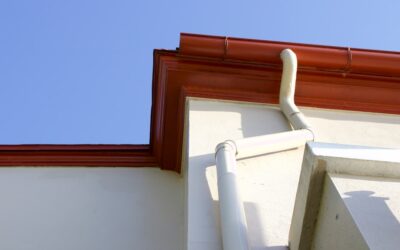
Bad gutters don’t just look shabby — they flood basements, rot fascia boards, and dump erosion runoff against your foundation. Picking the best gutters for your home starts with matching material, profile, and size to your roof area, your climate, and how long you plan to live there. This guide compares every major gutter material and style sold in the US, walks through real-world costs per linear foot, and lays out what to look for in a contractor if you’re hiring the job out. No sponsored picks — just the specs and performance data.
Part of our Roofing guide — explore the full guide →
Why Gutter Choice Matters More Than You Think
A 2,000 sq ft roof sheds about 1,250 gallons of water in a single 1-inch rainstorm. Properly sized gutters channel that flow into downspouts and away from the house. Undersized or clogged gutters overflow, pour water under the eaves, and soak the sheathing — damage that can run $8,000 to $25,000 to repair if it reaches the framing. Spending a few hundred dollars more on the right gutters is cheap insurance.
The Five Main Gutter Materials
Every residential gutter sold in the US is made from one of these:
- Aluminum: the default, 80% of new installs
- Galvanized or galvalume steel: stronger, heavier, rust-prone if paint is scratched
- Copper: the best gutter you can buy, with a price to match
- Vinyl (PVC): cheapest, DIY-friendly, limited lifespan
- Zinc: European favorite, 60+ year life, narrow US availability
Aluminum: The Default Choice
Aluminum gutters don’t rust, weigh next to nothing, and install quickly. Thickness matters: contractor-grade aluminum is 0.027 inches, premium is 0.032 inches. The thicker gauge resists ladder dents and handles ice better. Expect 20 to 30 years of service life. Cost: $4 to $9 per linear foot installed. Best for most US homes.
Steel: Built for Harsh Weather
Galvanized steel and newer galvalume (steel plus aluminum-zinc coating) gutters handle heavy snow loads and hail without denting. They weigh about 3x what aluminum does and need sturdy brackets every 24 inches. Lifespan: 20 to 40 years depending on coating. Cost: $8 to $15 per linear foot installed. Best for homes in hail corridors (Colorado, Texas, Oklahoma) and snow-country with heavy icicle loads.
Copper: 70-Year Gutters
Copper gutters last two to three times as long as aluminum and develop a beautiful blue-green patina over time. Copper also resists moss and algae better than any other material. The downside is cost — $25 to $45 per linear foot installed — and a price that rises and falls with commodity copper. Best for historic homes, high-end custom builds, and owners who plan to keep the house 30+ years.
Vinyl: Budget DIY Option
PVC gutter sections snap together and weigh almost nothing, making them the only material a homeowner can realistically install without hiring help. Trade-offs: they crack in cold weather, sag under debris, and discolor in UV. Typical lifespan: 10 to 20 years. Cost: $3 to $6 per linear foot installed, $1 to $2 for DIY materials. Best for rentals, sheds, and outbuildings.
Zinc: The Long-Life Niche
Zinc gutters (not zinc-coated steel, but solid zinc) last 60 to 80 years and are common in Europe. US availability is limited to specialty suppliers. Expect $20 to $35 per linear foot installed. Worth it on architecturally significant homes; rarely cost-justified on tract housing.
Gutter Profiles: K-Style vs. Half-Round
Two shapes cover nearly every residential install:
- K-style: flat back, decorative front that mimics crown molding, holds more water
- Half-round: semi-circular, traditional look, sheds debris faster, lower water capacity for the same width
K-style dominates because a 5-inch K-style holds about 1.5x the water of a 5-inch half-round. Half-round stays popular on historic homes and with copper installs where the look matches the architecture.
Size: 5-Inch vs. 6-Inch
Size is measured across the top opening. The two common residential sizes:
- 5-inch: handles roofs up to about 5,500 sq ft of drainage area per downspout
- 6-inch: handles up to 8,000 sq ft per downspout, recommended for steep roofs and high-rainfall regions
If you live somewhere that sees 1+ inch per hour rainfall events (Florida, Louisiana, the Pacific Northwest), spec 6-inch. For most of the central US, 5-inch is fine. Downspouts should be 2×3 inches for 5-inch gutters and 3×4 inches for 6-inch gutters, with one downspout every 30 to 40 feet of run.
Seamless vs. Sectional
Seamless gutters are rolled on-site from a coil of aluminum using a portable brake machine. The whole run of a roof edge becomes one continuous piece with no seams to leak. Sectional gutters come in 10-foot pieces joined with connectors — every joint is a potential leak in 5 to 10 years.
For a few extra dollars per foot, seamless is the better buy on any material where it’s offered. Vinyl is almost always sectional; aluminum and steel are usually seamless; copper can be either.
Gutter Guards: Do They Work?
Gutter guards keep leaves and debris out of the trough, but they don’t eliminate maintenance. The main types:
- Foam inserts: cheap, clog fast with pollen and shingle grit
- Screen guards: basic, need to be brushed off every season
- Micro-mesh (stainless): best performance, $8 to $20 per linear foot installed
- Reverse-curve helmet style: popular but overflow in heavy downpours
Micro-mesh brands like Gutter Glove, LeafFilter, and LeafGuard tend to give the best results but carry significant professional install pricing — total job cost often $3,500 to $7,000 for an average house.
Installation: DIY or Pro
Vinyl sectional gutters on a single-story ranch are a reasonable DIY project for a confident homeowner with a helper and an extension ladder. Aluminum seamless requires a specialized machine, so it’s almost always contractor work. Expect a pro install on a typical 2,000 sq ft house to take 1 to 2 days and include:
- Tear-off and disposal of old gutters
- Fascia inspection and rot repair (extra cost if needed)
- Seamless roll-out on site
- Hidden hanger install every 24 inches
- Proper slope (1/4 inch of drop per 10 feet of run)
- Downspout placement and splash-block or extension to carry water 4+ feet from foundation
Maintenance That Extends Lifespan
Clean gutters in late spring and again in late fall. While you’re up there, check:
- Hangers still tight against the fascia
- No standing water in the trough (indicates slope problem)
- Downspouts flowing freely — pour a bucket of water to test
- Seams not separating or leaking
- Splash blocks or extensions moving water 4+ feet from the foundation
Annual cleaning alone can extend gutter life from 15 years to 25+ years.
Picking the Right Gutter for Your House
For most US homeowners on a typical single-family home, 5-inch or 6-inch seamless aluminum K-style in a color that matches the trim is the sweet spot — 25 years of service at a reasonable price. Step up to steel if you live in hail country, copper if you want a 70-year gutter and plan to stay. Vinyl only makes sense on outbuildings. Whatever material you choose, proper sizing, seamless runs, and annual cleaning matter more than the brand on the paperwork.