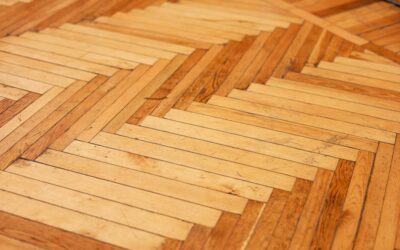
The fastest way to ruin a beautiful wood floor is to clean it with the wrong product. The best hard wood floor cleaner is almost always a pH-neutral, no-rinse formula made specifically for sealed wood, because anything acidic, alkaline, or oil-based can dull the finish, leave residue, or void your floor’s warranty. Homeowners reach for vinegar, steam mops, and all-purpose sprays out of habit, and every one of those is a slow way to damage hardwood. Here are the cleaners that actually protect your investment, plus how to use them correctly.
- What Makes a Cleaner Safe for Hardwood
- Top Picks
- What to Avoid on Hardwood
- How to Clean Hardwood Floors the Right Way
- How Often Should You Clean?
- A Note on Waxed and Oil-Finished Floors
- Concentrate vs. Ready-to-Use: Which to Buy
- How Much to Spend
- The Right Tools Matter as Much as the Cleaner
- Frequently Asked Questions
- The Bottom Line
What Makes a Cleaner Safe for Hardwood
Modern hardwood floors are sealed with polyurethane, aluminum oxide, or a similar topcoat. You are cleaning that finish, not the raw wood, so the product needs to lift dirt without attacking the coating. Three qualities matter most.
- pH-neutral (around 7). Acids like vinegar and alkalis like ammonia etch and cloud the finish over time.
- No-rinse, low-moisture. Water is wood’s enemy. A good cleaner evaporates fast and leaves no film to mop away.
- Residue-free. Soap-based and oil-based products build up a dull haze that attracts dirt and makes floors look worse with each cleaning.


Top Picks
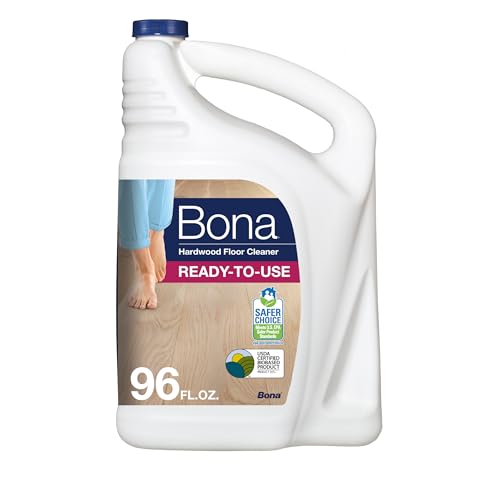
1. Bona Hardwood Floor Cleaner — Best Overall
Bona is the product most flooring professionals recommend. It is water-based, pH-neutral, no-rinse, and GREENGUARD Gold certified for low emissions. It comes as a ready-to-use spray or a refillable spray mop, dries fast without streaking, and leaves no residue. A 32-ounce bottle runs about $6 to $10 and covers a lot of floor. For everyday cleaning of sealed hardwood, it is hard to beat.
2. Method Squirt + Mop Wood Floor Cleaner — Best Budget
An affordable, plant-based, biodegradable option with a light almond scent. It cleans well on lightly soiled floors and is easy to find at grocery and big-box stores for around $4 to $6. It is a solid pick for routine maintenance on a tight budget.
3. Murphy Oil Soap — Use With Caution
A classic, but understand what it is. Murphy is a soap-based cleaner that can leave a slight residue over many uses and is better suited to older, oil-finished, or waxed floors than to modern polyurethane. If your floor is sealed with poly, a residue-free water-based cleaner is the smarter long-term choice.
4. Rejuvenate Professional Wood Floor Cleaner — Best for Shine
This one cleans while restoring a bit of luster to tired finishes. It is a good periodic-use product when your floors look dull, though for daily cleaning a simple pH-neutral formula is all you need.
5. Manufacturer-Specific Cleaners
If your floor came from a brand like Bruce, Shaw, or a prefinished manufacturer, they often sell a matched cleaner. Using it keeps you safely within warranty terms, which some warranties actually require.
What to Avoid on Hardwood
Just as important as the right product is knowing what will damage your floor. Steer clear of these:
- Vinegar and water. The acid slowly etches polyurethane and dulls the sheen. Popular online, wrong for sealed wood.
- Steam mops. Heat and moisture forced into board seams cause cupping, whitening, and finish failure. Most hardwood warranties specifically forbid them.
- Ammonia and all-purpose cleaners. Too alkaline; they cloud the finish.
- Oil soaps and wax on poly floors. They leave a film that builds up and later interferes with recoating.
- Excess water. A soaking-wet mop drives water into seams. Damp, not wet, is the rule.
How to Clean Hardwood Floors the Right Way
- Dry clean first. Sweep, dust-mop, or vacuum with a hard-floor setting (no beater bar) to remove grit. Sand and grit act like sandpaper underfoot and scratch the finish, so this step protects the floor more than the cleaner does.
- Spray lightly. Mist the cleaner directly onto a microfiber pad or a small section of floor, not a puddle onto the boards.
- Mop with the grain. Use a flat microfiber mop and work in the direction of the boards. Microfiber lifts dirt without scratching.
- Work in sections. Clean a few square feet at a time so nothing sits wet.
- Let it air dry. A good no-rinse cleaner dries in a minute or two with no streaks and no rinsing.
How Often Should You Clean?
Dust-mop or vacuum high-traffic areas a couple times a week to keep grit off the finish. Do a full damp clean with your chosen product every one to two weeks in busy households, less in low-traffic rooms. Wipe up spills immediately, since standing liquid is the fastest way to damage wood. Place walk-off mats at exterior doors and felt pads under furniture legs to cut down on the grit and scratches that do the real long-term damage.
A Note on Waxed and Oil-Finished Floors
Not every wood floor is sealed with polyurethane. If yours is waxed or has a penetrating oil finish, water-based cleaners are the wrong tool. Waxed floors need a solvent-based wax cleaner and periodic re-waxing, while oil-finished floors take a specialized soap made for oiled wood, such as those from hardwax-oil brands. Know your finish before you buy a cleaner. If you are unsure, put a drop of water on the floor: if it beads, you likely have a surface seal; if it soaks in, you may have an oil or wax finish.
Concentrate vs. Ready-to-Use: Which to Buy
Most hardwood cleaners come in two formats, and the right one depends on how much floor you have. Ready-to-use sprays like Bona’s are premixed, convenient, and perfect for apartments or a few rooms; you spray and mop with zero measuring. Concentrates cost less per cleaning because you dilute a capful into a bucket or spray bottle, so they make sense for large homes or anyone cleaning weekly. If you go the concentrate route, follow the dilution ratio exactly. Over-concentrating is a leading cause of that dull, sticky film homeowners blame on the product when the real culprit is too much cleaner and not enough water. A 32-ounce concentrate can yield several gallons of working solution and often costs $10 to $15, making it the cheaper long-term choice.
How Much to Spend
You do not need an expensive product to clean hardwood well. Here is a realistic price map:
- Budget ($4 to $6): Method Squirt + Mop and similar plant-based ready-to-use sprays. Fine for routine, light cleaning.
- Mid-range ($6 to $12): Bona and manufacturer-matched cleaners. The sweet spot for most homes.
- Premium ($12 to $20): Restorative and shine-enhancing formulas for periodic use, plus larger concentrate bottles.
Spending more rarely buys better cleaning for everyday dirt. It buys added features like shine restorers or specialized finishes. For weekly maintenance, a mid-range pH-neutral cleaner is all any sealed floor needs.
The Right Tools Matter as Much as the Cleaner
Even the best hardwood cleaner underperforms with the wrong equipment. Use a flat microfiber mop with a washable pad rather than a string or sponge mop, both of which hold too much water. Keep two pads on hand so you can swap to a dry one for buffing. A microfiber dust mop or a canister vacuum with a hard-floor attachment handles the critical dry-cleaning step. Skip anything with a rotating beater bar, which flings grit and can dent softer species like pine. Wash microfiber pads in warm water without fabric softener, since softener leaves a residue that streaks the next time you mop.
Frequently Asked Questions
Can I use a spray mop with refill cartridges?
Yes, and they are convenient, but only fill them with the cleaner made for that system or a compatible pH-neutral formula. Never load a homemade vinegar mix into one.
Why does my floor look streaky after cleaning?
Usually too much product or too much water. Use less cleaner, work in small sections, and buff with a dry microfiber cloth. Hard tap water can also leave mineral streaks; distilled water in your mix fixes that.
How do I restore shine to a dull floor?
If the finish is intact but tired, a periodic-use restorer or polish adds luster. If the finish itself is worn through, no cleaner will help and the floor needs a screen-and-recoat from a professional.
The Bottom Line
The best hard wood floor cleaner for the vast majority of homes is a pH-neutral, no-rinse, water-based formula like Bona, used with a microfiber flat mop and a light touch. Skip the vinegar, put away the steam mop, and keep grit off the floor with regular dry cleaning and entry mats. Match your product to your finish, clean with the grain, and use as little moisture as possible, and your hardwood will keep its warmth and shine for decades.
Prefer to explore on your own?
See how new flooring looks in your actual room in seconds — free, no signup.
Try the free Floor Studio →