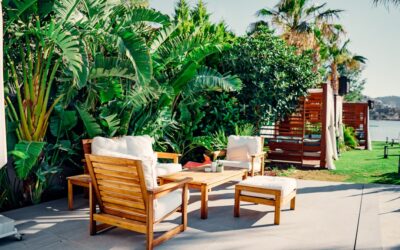
Choosing the best outdoor furniture cushions turns a plain patio set into a comfortable, inviting living space that holds up to sun, rain, and daily use. The right cushions resist fading, shed water, dry quickly, and keep their shape season after season, while the wrong ones flatten, mildew, and bleed color within a single summer. Because the differences come down to fabric and fill rather than brand hype, understanding the materials helps you spend smart and sit comfortably for years.
Part of our Windows & Doors guide — explore the full guide →
Why Outdoor Cushions Need Special Materials
Indoor cushions would not survive a week outside. Direct sunlight breaks down ordinary dyes and fibers, while humidity and rain invite mold and mildew. Outdoor cushions are engineered to fight all three threats at once, combining UV-stable fabrics with fills that drain and dry rather than trap water. When you shop, you are really evaluating two systems: the cover fabric and the interior fill.
Fabric Types: The Most Important Choice
The cover fabric determines fade resistance, water behavior, and how the cushion feels. Three materials dominate the market, each with clear strengths.
Solution-Dyed Acrylic
Solution-dyed acrylic is widely considered the gold standard for outdoor cushions. The color is locked into the fiber before it is spun, rather than printed on the surface, so the fabric resists fading even after years of intense sun. It feels soft, breathes well, repels water, and cleans easily. The trade-off is price, as solution-dyed acrylic costs more than the alternatives, but its lifespan often justifies the investment for cushions left out all season.
Polyester
Polyester, especially solution-dyed polyester, offers good value and a soft feel. It comes in a wide range of colors and patterns and handles moderate sun exposure well. Standard printed polyester is the most affordable option and works fine for shaded porches or pieces you store between uses, though it will fade faster in full sun than acrylic.
Olefin
Olefin, also called polypropylene, is naturally stain and fade resistant and tends to cost less than acrylic. It is durable, colorfast, and resists mildew, making it a strong middle-ground choice. Some people find it slightly less soft than acrylic, but its toughness and value make it popular for high-use furniture.
Fill Materials: Comfort and Drainage
What is inside the cushion matters as much as the cover. The fill controls comfort, support, and how quickly a soaked cushion dries out.
- High-density foam: Provides firm, supportive seating that holds its shape under daily use. Wrapped in a quality cover, it is comfortable and long lasting, though solid foam can hold water if the cover is not water resistant.
- Quick-dry foam: An open-cell, reticulated foam designed with channels that let water pass straight through. Cushions with quick-dry foam can be rinsed or rained on and feel dry again within hours, making them ideal for poolside and uncovered patios.
- Polyester fiber fill: Soft and plush for back pillows and decorative cushions, but it compresses over time and dries more slowly, so it suits accent pieces more than primary seats.
For seating you use constantly, the best outdoor furniture cushions pair a solution-dyed acrylic or olefin cover with quick-dry foam, giving you both durability and a surface that bounces back fast after a downpour.
Sizing and Fit
A cushion only performs well if it fits the furniture. Measure the seat depth, width, and the desired thickness before buying. Most seat cushions run 2 to 5 inches thick; deeper seating sofas often use 4 to 6 inch cushions for a plush lounge feel, while dining chairs do well with thinner 2 to 3 inch pads.
Check that the cushion covers the full seating surface without overhanging the frame edges, which causes premature wear at the corners. If you have an oddly shaped or vintage set, look for custom-cut options where you specify exact dimensions rather than forcing a standard size to fit.
Features Worth Looking For
Beyond fabric and fill, several practical details separate great cushions from mediocre ones.
- Removable, zippered covers: These let you machine wash or spot clean the fabric and replace it later without buying a whole new cushion.
- Tie or strap fasteners: Built-in ties keep cushions anchored to chairs on windy days so they do not blow into the yard or pool.
- Welted or double-stitched seams: Reinforced edges resist splitting and stand up to sun exposure far better than thin single stitching.
- Water-resistant or quick-dry construction: Look for explicit drainage features if your furniture sits in the open.
- Mildew resistance: A treated or naturally resistant fabric is essential in humid and rainy climates.
Care and Maintenance Tips
Even the toughest cushions last longer with a little upkeep. Brush off debris regularly and rinse the fabric with mild soap and water as needed, then let cushions air dry fully before storing. Most solution-dyed acrylic and olefin covers handle gentle cleaning without losing color.
When the season ends or a storm rolls in, move cushions into a deck box, garage, or breathable storage bag to protect them from prolonged moisture and UV. Avoid sealing damp cushions in airtight containers, which traps moisture and encourages mildew. With seasonal storage, quality cushions can easily last five to ten years or more.
Matching Cushions to Your Climate
Where you live should steer your choice as much as your budget. In hot, sunny regions like the Southwest, fade resistance is paramount, so solution-dyed acrylic is the clear winner against relentless UV. In humid, rainy areas such as the Southeast, prioritize mildew-resistant fabric and quick-dry foam so cushions recover fast after frequent storms.
Coastal homeowners face salt air and intense sun together, a combination that punishes cheap fabrics quickly, so investing in premium materials pays off. In milder northern climates where furniture is used only a few months a year and stored the rest, a quality polyester or olefin cushion offers plenty of performance without the top-tier price, since limited exposure reduces wear.
Final Recommendations
The best outdoor furniture cushions match the fabric and fill to how and where you use your patio. For uncovered, sun-drenched spaces, invest in solution-dyed acrylic covers paired with quick-dry foam for maximum fade resistance and fast drying. For shaded porches or budget-conscious projects, olefin or solution-dyed polyester delivers excellent value. Always measure before you buy, favor zippered removable covers and reinforced seams, and store cushions during harsh weather. Get the materials right, and your outdoor seating will stay comfortable, vibrant, and weather-ready for many seasons to come.