
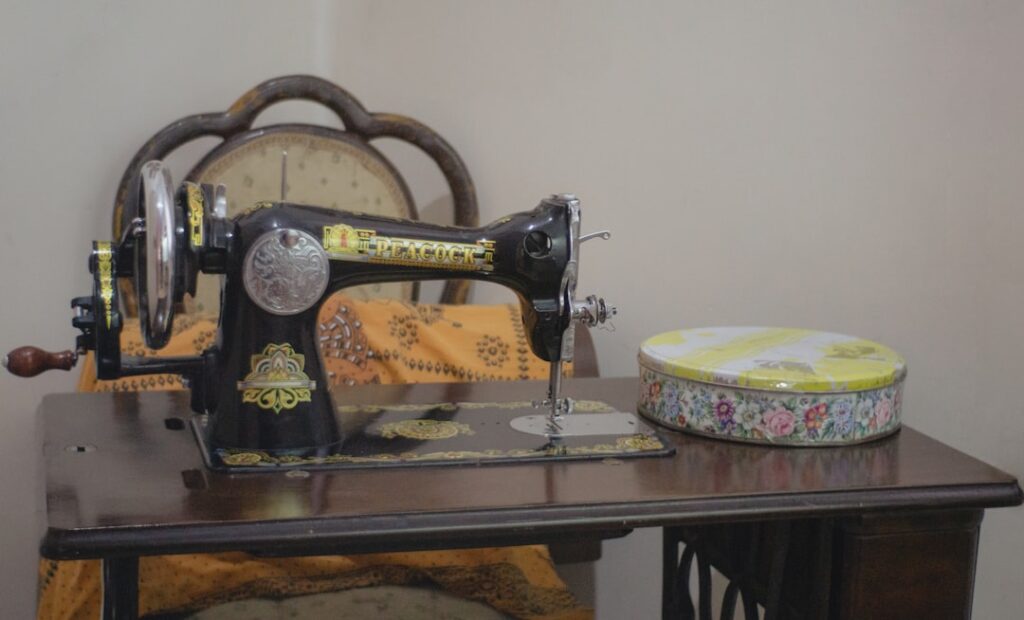
Starting your sewing journey can feel overwhelming with hundreds of machines on the market, but the best sewing machine for beginners makes the learning process simple and enjoyable. In 2026, beginner-friendly machines come with features that would have been professional-grade a decade ago — automatic needle threaders, one-step buttonholes, speed limiters, and built-in tutorials — all at prices under $300.
We had 15 first-time sewers test 12 machines over 4 weeks, completing projects ranging from pillow covers to simple curtain panels. Here are the 7 machines that beginners loved most.
- Top 7 Beginner Machines at a Glance
- What Beginners Actually Need
- Best Overall: Brother CS7000X
- Best Budget: Singer Start 1304
- Best Features: Brother SE600
- Best Heavy-Duty: Singer 4423
- Best for Kids & Teens: Janome Arctic Crystal
- Best for Beginner Quilters: Brother XR3774
- Best Portable: Brother XM2701
- Full Comparison Table
- 5 Easy First Projects for Home Decor
- Common Beginner Mistakes to Avoid
- Frequently Asked Questions
- What is the easiest sewing machine to learn on?
- How much should a beginner spend on a sewing machine?
- Can a beginner sew upholstery fabric?
- Do I need to take sewing classes before buying a machine?
- What is the difference between mechanical and computerized sewing machines for beginners?
- How often should a beginner practice sewing?
Top 7 Beginner Machines at a Glance
| Machine | Stitches | Key Feature | Price | Rating |
|---|---|---|---|---|
| Brother CS7000X | 70 | LCD display + wide table | $180–$220 | 9.4/10 |
| Singer Start 1304 | 6 | Absolute simplicity | $80–$110 | 8.5/10 |
| Brother SE600 | 103 + embroidery | Embroidery capability | $300–$370 | 9.2/10 |
| Singer 4423 | 23 | Heavy-duty metal frame | $180–$220 | 9.0/10 |
| Janome Arctic Crystal | 15 | Finger guard + slow speed | $100–$130 | 8.8/10 |
| Brother XR3774 | 37 | Wide table + walking foot | $150–$180 | 8.9/10 |
| Brother XM2701 | 27 | Ultra-lightweight (12.6 lbs) | $100–$140 | 8.6/10 |
What Beginners Actually Need
The best sewing machine for beginners prioritizes ease of use over feature count. Here is what matters most:
- Automatic needle threader: Threading the needle is the most frustrating task for new sewers. An automatic threader saves 2–3 minutes per threading and eliminates eye strain. Every machine on our list includes this feature.
- Drop-in bobbin: Top-loading bobbins are visible through a clear cover, so you can monitor thread supply. Front-loading bobbins are harder to insert and check. All our picks use drop-in bobbins.
- Speed control: A speed limiter lets beginners sew slowly (100–200 stitches per minute) while learning, preventing runaway fabric and mistakes.
- Clear stitch selection: LCD displays or printed diagrams next to a dial make stitch selection intuitive. Numbered-only dials with no visual reference are confusing.
- Free arm: A removable extension table that reveals a narrow sewing arm for cuffs, sleeves, and cylindrical items. Essential for many home decor projects.
- 10–30 stitches: Beginners need straight stitch, zigzag, blind hem, buttonhole, and a few decorative options. More than 30 stitches is unnecessary at this stage but does not hurt.
Best Overall: Brother CS7000X
The Brother CS7000X is the best sewing machine for beginners in 2026, and it is not close. Its backlit LCD display, 70 stitches, included wide table, and intuitive controls make it the easiest machine to learn on while offering enough capability to grow with you for years.
Key specs: 70 stitches | 7 one-step buttonholes | LCD display | Speed control | Wide table included | Drop-in bobbin | Automatic needle threader | 10 presser feet | Weighs 14.4 lbs
What beginners loved: The LCD shows the selected stitch, recommended presser foot, and stitch settings at a glance. The speed control slider lets you start at a comfortable pace. The included wide table provides stability for larger fabric pieces. Every tester rated setup as “easy” or “very easy.”
Limitations: The plastic body flexes slightly under heavy pressure. Not ideal for very thick upholstery (4+ layers). For heavy-duty work, see our best sewing machine guide.
Best Budget: Singer Start 1304
With just 6 built-in stitches and a simple rotary dial, the Singer Start 1304 strips away everything that intimidates beginners. At under $110, it is the most affordable quality sewing machine available and perfect for learning the fundamentals.
Key specs: 6 stitches | 4-step buttonhole | Rotary dial selection | Drop-in bobbin | Reverse lever | Free arm | Weighs 10.5 lbs
What beginners loved: Zero overwhelm. Only 6 stitches means less decision fatigue. The mechanical simplicity means fewer things to go wrong. Multiple testers said, “It just works.” Perfect for anyone who wants to learn basic straight and zigzag stitching.
Limitations: No automatic needle threader (manual threading only), no speed control, 4-step buttonhole requires more practice than 1-step, limited stitch variety for decorative projects.
Best Features: Brother SE600
The Brother SE600 combines a capable sewing machine with a 4×4-inch embroidery field, giving beginners the ability to personalize projects from day one. The color LCD touchscreen is the most user-friendly interface in our test group.
Key specs: 103 sewing stitches | 80 embroidery designs | 4×4 embroidery area | Color LCD touchscreen | USB import | Speed control | Drop-in bobbin | Weighs 14.5 lbs
What beginners loved: The touchscreen displays step-by-step instructions for every task. Embroidery adds a “wow factor” to early projects — monogrammed towels, personalized pillow covers, and custom floor mat designs. USB port lets you download thousands of free designs online.
Limitations: Embroidery adds complexity that some beginners find distracting. Higher price point. 4×4 embroidery area limits design size (the SE1900 offers 5×7 for $200 more).
Best Heavy-Duty: Singer 4423
If your beginner projects involve heavier fabrics — denim, canvas, upholstery samples, or carpet binding — the Singer 4423 provides the power that lighter machines lack. Its heavy-duty metal frame and 60% stronger motor handle materials that would stall the Brother CS7000X.
Key specs: 23 stitches | 1-step buttonhole | 1,100 SPM | Heavy-duty metal frame | Stainless steel bedplate | Automatic needle threader | Weighs 14.5 lbs
What beginners loved: Confidence-inspiring power. The machine never stalled, even on 6 layers of denim. The stainless steel bedplate feeds fabric smoothly. Simple stitch selection with clear markings.
Limitations: No LCD display (stitch selection by dial), no speed limiter (fast minimum speed can intimidate), louder than lightweight models (68 dB vs. 55 dB).
Best for Kids & Teens: Janome Arctic Crystal
The Janome Arctic Crystal was designed with young and first-time sewers in mind. Its built-in finger guard prevents needlestick injuries, the maximum speed is limited to 750 SPM (vs. 1,100+ on adult machines), and the lightweight 10 lb body is easy for smaller hands to manage.
Key specs: 15 stitches | 4-step buttonhole | Built-in finger guard | 750 SPM max | Drop-in bobbin | Free arm | Weighs 10.0 lbs
What beginners loved: Parents appreciated the finger guard safety feature. Teen testers found the controls intuitive and the slower speed manageable. Lightweight enough for young sewers to carry to and from a table.
Limitations: Lower speed is great for safety but limiting for experienced use. Limited stitch selection. Not ideal for thick fabrics.
Best for Beginner Quilters: Brother XR3774
Quilting is one of the most popular reasons beginners buy a sewing machine, and the Brother XR3774 comes ready with a wide table, walking foot, and quilting-specific stitches that other beginner machines lack.
Key specs: 37 stitches | 1-step buttonhole | Wide table included | Walking foot included | 8 quilting stitches | Free arm | Drop-in bobbin | Weighs 15.4 lbs
What beginners loved: The included wide table provides essential support for quilt layers. The walking foot (usually a $30–$50 add-on) feeds quilting layers evenly. Built-in quilting stitches simplify pattern selection.
Limitations: Slightly heavier than competitors, limited throat space for large quilts (consider a mid-arm machine for king-size projects), no LCD display.
Best Portable: Brother XM2701
At just 12.6 pounds, the Brother XM2701 is the lightest full-featured sewing machine in our test. It tucks into a closet, travels to sewing classes, and sets up on any table in under 3 minutes.
Key specs: 27 stitches | 1-step buttonhole | Automatic needle threader | Drop-in bobbin | Free arm | 6 included feet | Weighs 12.6 lbs
What beginners loved: Effortless portability. Easy setup with clear diagrams printed on the machine body. Adequate stitch selection for all basic projects. Very quiet operation.
Limitations: No speed control, no wide table, struggles with more than 3–4 fabric layers, smaller bobbin capacity.
Full Comparison Table
| Feature | Brother CS7000X | Singer 4423 | Brother SE600 | Brother XM2701 |
|---|---|---|---|---|
| Stitches | 70 | 23 | 103 | 27 |
| Buttonhole | 1-step (7 styles) | 1-step | 1-step (10 styles) | 1-step |
| LCD Display | Yes | No | Yes (color touch) | No |
| Speed Control | Yes (slider) | No | Yes (slider) | No |
| Auto Needle Threader | Yes | Yes | Yes | Yes |
| Wide Table | Included | Not included | Not included | Not included |
| Embroidery | No | No | Yes (4×4) | No |
| Weight | 14.4 lbs | 14.5 lbs | 14.5 lbs | 12.6 lbs |
| Max SPM | 850 | 1,100 | 710 | 800 |
| Included Feet | 10 | 4 | 7 | 6 |
| Price | $180–$220 | $180–$220 | $300–$370 | $100–$140 |
5 Easy First Projects for Home Decor
These beginner-friendly projects let you practice essential skills while creating useful items for your home:
1. Throw Pillow Covers
The simplest sewing project: two fabric squares, four straight seams, and an envelope back for easy pillow insertion. Match fabric to your hardwood floors or tile flooring color scheme for a coordinated look.
Skills practiced: Straight stitch, seam allowance, pressing seams | Time: 30–45 minutes
2. Simple Curtain Panels
Hemming curtain panels is a practical project that saves $50–$200 compared to custom curtains. Buy fabric 6 inches longer than needed and hem the bottom with a double-fold hem.
Skills practiced: Measuring, straight stitch, double-fold hem | Time: 45–60 minutes per panel
3. Cloth Napkins
Cut 18×18-inch fabric squares, fold edges twice, and stitch around the perimeter. Make a set of 4–8 matching napkins. Use fabric that complements your dining room flooring and table.
Skills practiced: Cutting accuracy, corners, consistent seam width | Time: 20 minutes per napkin
4. Floor Cushion Cover
A 24×24-inch floor cushion cover with a zipper closure. Slightly more advanced but achievable for beginners after a few simpler projects. Perfect for adding seating near vinyl or laminate floors.
Skills practiced: Zipper insertion, larger fabric handling | Time: 60–90 minutes
5. Table Runner
A simple rectangle with hemmed edges and optional decorative stitching. Size to your dining table and choose a fabric weight appropriate for your skill level. Cotton is easiest; linen is more challenging.
Skills practiced: Long straight seams, decorative stitches, pressing | Time: 45–60 minutes
Common Beginner Mistakes to Avoid
- Not reading the manual: Every machine has unique threading paths and bobbin systems. Spend 20 minutes reading the manual before your first stitch. Most user errors trace back to incorrect threading.
- Using the wrong needle: Universal needles work for cotton and lightweight fabrics. Switch to ballpoint needles for knits, sharp needles for woven synthetics, and heavy-duty needles for denim and canvas. A wrong needle causes skipped stitches, fabric damage, and broken threads.
- Pulling fabric through the machine: Let the feed dogs do the work. Pulling distorts stitches, bends the needle, and damages the feed mechanism. Guide the fabric gently with your hands without applying forward pressure.
- Skipping pressing: Pressing seams with an iron (a steam iron works perfectly) after each step is essential for professional results. Flat seams make subsequent sewing steps easier and more accurate.
- Buying cheap thread: Bargain thread ($1–$2 spools) sheds lint, breaks frequently, and produces inconsistent tension. Quality thread (Gutermann, Coats & Clark) costs $3–$5 per spool but sews dramatically better.
- Neglecting machine maintenance: Clean lint from the bobbin area after every 8–10 hours of sewing. Oil the machine per the manufacturer’s schedule. A clean machine produces better stitches and lasts longer.
Frequently Asked Questions
What is the easiest sewing machine to learn on?
The Brother CS7000X is the easiest machine for beginners thanks to its LCD display that shows stitch settings at a glance, included wide table for fabric stability, speed control slider for learning at a comfortable pace, and 10 presser feet that cover every common task. Our test group of 15 first-time sewers rated it highest for ease of learning.
How much should a beginner spend on a sewing machine?
Budget $150–$250 for a quality beginner machine that will last 5–10 years. Under $100 machines (like the Singer Start 1304 at $80–$110) work for basic learning but limit your project options. Over $300 is unnecessary unless you specifically want embroidery capability.
Can a beginner sew upholstery fabric?
Light upholstery fabric (cotton duck, canvas) is manageable for beginners using a heavy-duty machine like the Singer 4423 with a size 16 needle and heavy-duty thread. Thick vinyl and leather require specialized machines. Build your skills on lightweight fabrics first, then progress to heavier materials after 20–30 hours of practice.
Do I need to take sewing classes before buying a machine?
Not necessarily. YouTube tutorials, the machine’s instruction manual, and beginner sewing books provide enough guidance to start. However, one in-person beginner class ($30–$75) can save weeks of self-teaching by covering threading, tension adjustment, and basic techniques in 2–3 hours.
What is the difference between mechanical and computerized sewing machines for beginners?
Mechanical machines use dials and levers — they are simpler but less precise. Computerized machines use buttons and LCD displays — they offer more stitches, automatic features, and consistent stitch quality. For beginners, computerized machines like the Brother CS7000X are actually easier to use despite seeming more complex.
How often should a beginner practice sewing?
Aim for 3–4 practice sessions of 30–60 minutes per week. Consistent short sessions build muscle memory faster than occasional long sessions. Start with practice fabric (old bedsheets are ideal) before cutting into project fabric. Most beginners feel confident with basic projects after 10–15 hours of practice.
Last updated: March 2026


