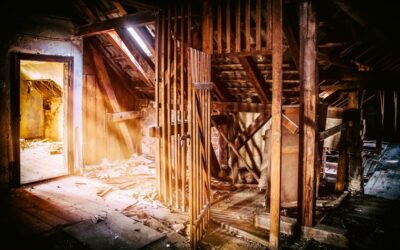
An attic on a sunny July afternoon can hit 140°F or more, and that heat radiates straight down through your ceiling insulation into the rooms below. A solar attic fan pulls that superheated air out using free power from its own panel, with no wiring into your home’s electrical system and no running cost. The catch is that “solar powered” covers a wide range of products, from tiny 10-watt units that barely move air to 50-watt-plus fans with adjustable panels and thermostat control.
Picking well comes down to four things: panel wattage, airflow in cubic feet per minute (CFM), mounting style, and controls. Get those right and a solar vent fan can lower peak attic temperatures meaningfully and help moisture escape in winter. Get them wrong and you will have a quiet spinning decoration on your roof.
- What to Look for in a Solar Attic Fan
- Sizing: Matching Panel Watts and CFM to Your Attic
- Roof Mount vs Gable Mount
- Controls: Thermostat, Humidistat and Hybrid Power
- Installation Overview for a Solar Attic Fan
- Ladder and Roof Safety
- Troubleshooting and Common Mistakes
- Cost Ranges and When to Hire a Pro
- Frequently Asked Questions
This guide focuses only on solar-powered models: what the specs mean, how to size them, and which features are worth paying for.
What to Look for in a Solar Attic Fan
Every solar attic fan pairs a photovoltaic panel with a DC motor and a fan blade inside a vented housing. Because the panel feeds the motor directly, fan speed tracks sunlight. Airflow peaks at midday, which conveniently matches when the attic is hottest, and drops off in the morning, evening and on cloudy days.
When comparing solar powered attic vent fans, focus on these specs rather than marketing claims:
- Panel wattage: the single best predictor of real performance. Fans with 10 to 20 watt panels suit small attics or supplemental duty. Units rated 25 to 40 watts handle typical single-story homes. Panels of 45 watts and higher cover larger attics or hot southern climates.
- Rated CFM: manufacturers list peak airflow in full sun. Common figures range from around 500 CFM on small fans to 1,500 to 2,000 CFM or more on high-output models.
- Motor type: brushless DC motors last longer and run quieter than brushed motors, and they are standard on the better models.
- Housing material: powder-coated steel or aluminum resists UV and hail better than thin plastic domes.
- Warranty: good solar vent fans carry 10 to 25 year panel and motor coverage. A short warranty is a warning sign.
Sizing: Matching Panel Watts and CFM to Your Attic
A common rule of thumb for attic exhaust is roughly 0.7 CFM per square foot of attic floor, bumped up about 15 percent for dark roofs or hot climates. A 1,500 sq ft attic works out to about 1,050 CFM, or roughly 1,200 CFM with a dark shingle roof in Texas.
| Attic floor area | Target CFM | Typical solar setup |
|---|---|---|
| Up to 1,000 sq ft | 700-850 | One 20-30 W fan |
| 1,000-1,800 sq ft | 850-1,500 | One 35-50 W fan |
| 1,800-2,800 sq ft | 1,300-2,300 | One high-output fan or two mid-size fans |
| Over 2,800 sq ft | 2,000+ | Two or more fans spread across the roof |
Just as important is intake. An exhaust fan pulling 1,200 CFM needs enough soffit or gable intake to replace that air, typically at least 1 square foot of net free intake area per 300 CFM. Starved intake is the number one reason solar attic fans underperform, and it can cause a fan to pull conditioned air up from the house through ceiling gaps, recessed lights and attic hatches. Before buying, check that soffit vents are not blocked by insulation, and add baffles if needed.
Also avoid mixing a powered fan with ridge vents or turbines on the same roof plane. The fan may simply suck air in through the nearby ridge vent instead of drawing it across the attic from the soffits. If you have a ridge vent, many pros recommend sealing the section nearest the fan or skipping powered exhaust entirely.
Roof Mount vs Gable Mount
Roof-mounted solar vent fans
Roof mount units sit on the roof deck with an integrated flashing and a fixed or tilting panel on top. They pull air from high in the attic, where heat collects, and are the standard choice for hip roofs and larger attics. Installation means cutting a hole in the roof deck and properly flashing the unit under the upslope shingles. Done carefully it is watertight; done poorly it is a leak.
Gable-mounted solar fans
Gable fans mount behind an existing gable vent on the inside of the attic, with a separate solar panel mounted on the roof or wall and connected by a low-voltage cable. Nothing penetrates the roof beyond a small wire entry, making this the lower-risk choice for leak-averse homeowners. It works well on homes with two gable ends, where the opposite gable acts as partial intake, though soffit intake still helps.
Remote and adjustable panels
If the ideal fan location sits on a north-facing slope or under tree shade, choose a model with a remote panel you can place on a sunnier roof face, or an adjustable panel that tilts toward the southern sky. A panel that sees full sun from late morning through afternoon can nearly double daily airflow compared with a flat panel in partial shade.
Controls: Thermostat, Humidistat and Hybrid Power
Thermostats keep the fan off until the attic reaches a set temperature, often around 80 to 85°F. On pure solar units many owners skip it, since the fan only runs when the sun shines anyway, but a thermostat reduces wear on mild spring days.
Humidistats turn the fan on when attic humidity rises, which helps prevent condensation, frost on roof sheathing and mold growth in cold or damp climates. Look for a combination thermostat/humidistat if you live north of the Sun Belt.
Hybrid AC/solar units add a small plug-in or hardwired transformer so the fan keeps running after sunset or on cloudy days. They offer steadier ventilation, but the AC portion is line-voltage electrical work: the circuit must be off at the breaker and confirmed dead with a non-contact voltage tester before any connection, and a new circuit or outlet in the attic belongs to a licensed electrician. The solar side, by contrast, runs on low-voltage DC from the panel and carries little shock risk.
Some units also include a battery that stores excess daytime energy for evening runtime. Those add cost and one more component to wear out, but they help in climates where attics stay hot well into the night.
Installation Overview for a Solar Attic Fan
Gable-mount fans are a reasonable DIY project; roof-mount units are manageable for confident DIYers on a walkable single-story roof. Tools typically include a drill, jigsaw or reciprocating saw, a flat bar for lifting shingles, roofing sealant, roofing nails, a stud finder and a tape measure.
- Locate the spot from inside the attic. Choose a point about 2 feet below the ridge, centered between rafters, on the rear or side slope with good southern exposure. Drive a nail up through the deck to mark it.
- Cut the opening. From the roof, trace the fan’s template around the nail and cut through shingles and deck, keeping clear of rafters.
- Slide the flashing under the upslope shingles. The top and sides of the flashing tuck under shingles; the bottom edge laps over them so water sheds downhill.
- Fasten and seal. Nail through the flashing per the instructions, then seal nail heads and lifted shingle edges with roofing sealant.
- Aim and connect the panel. Tilt adjustable panels toward the south, route any remote-panel cable through a weatherproof entry, and plug in the thermostat or humidistat if included.
Ladder and Roof Safety
Most attic fan injuries come from falls, not the fan itself. Set the extension ladder on firm, level ground at a 4-to-1 angle (1 foot out for every 4 feet of height), extend it at least 3 feet above the roof edge, and tie it off at the top. Wear soft-soled shoes, work only on dry roofs without frost or morning dew, and use a roof harness anchored to the ridge on anything steeper than a gentle slope. Keep a helper on the ground. Two-story homes, steep roofs, tile or slate roofing and metal roofs are all good reasons to hire a roofer or installer rather than climbing yourself.
Troubleshooting and Common Mistakes
- Fan barely spins: the panel is shaded, dirty or aimed away from the sun, or wattage is too low for the blade size. Clean the panel and check exposure at midday.
- Fan never runs: the thermostat may be set too high, or a cable connector has worked loose. Check connections with the panel covered.
- Attic still hot: intake is likely inadequate or the fan is short-circuiting air from a nearby ridge vent.
- Leak around the fan: shingles were not lapped correctly over the flashing, or sealant has aged. Reseal and confirm the upslope shingles cover the flashing.
- Noise or rattling: a loose blade, debris or worn bearings. Brushless motors rarely need service, but check that the blade set screw is tight.
Cost Ranges and When to Hire a Pro
Entry-level solar attic fans generally sell for around a couple hundred dollars, while high-output models with adjustable panels and humidistats commonly fall in the mid-hundreds. Professional installation on an accessible roof adds a few hundred dollars more, with higher labor on steep or two-story roofs. Some jurisdictions and utilities offer rebates or tax credits for solar-powered ventilation, so check before buying.
Call a roofer or ventilation contractor if you have a steep or multi-story roof, a tile or metal roof, uncertain intake, or signs of existing moisture damage such as dark stains on sheathing. They can confirm your balance of intake and exhaust before adding a fan, which is where the real results come from.
Frequently Asked Questions
Do solar attic fans actually work?
Yes, when sized correctly and paired with adequate soffit intake. A properly matched solar attic fan can lower peak attic temperatures noticeably. Undersized panels or starved intake are why some owners see little benefit.
How many watts should a solar attic fan have?
For most single-story homes, 25 to 40 watts is a practical range. Larger or hotter attics benefit from 45 watts or more, or from two fans spread across the roof.
Will a solar vent fan run at night?
Pure solar models stop after sunset. Hybrid AC/solar units or models with a built-in battery continue running at night or on cloudy days.
Can a solar attic fan pull air conditioning out of my house?
It can if soffit intake is inadequate and ceilings are leaky. Seal attic bypasses around lights, pipes and hatches and confirm intake area before installing.
Is a gable-mount or roof-mount solar attic fan better?
Roof mounts pull hot air from the highest point and suit hip roofs. Gable mounts avoid a roof penetration and are easier to install. Both work well when intake is balanced.